Category
page 1Javanese culture
Kawi
oldest attested phase of the Javanese language
Bhinneka Tunggal Ika
Unity in Diversity, the official national motto of Indonesia
Javanese calendar
calendar used in Java, Indonesia
Kejawen
Javanese art, culture, traditions, attitudes, rituals and philosophies.

Priyayi
thumb|220px|right|Portrait of Banjoemas, the Regent of Purwokerto, with his wife. A retainer can be seen sitting behind the regent
Javanese cuisine
cuisine of the Javanese people, Indonesia
Javanese literature

Babad Tanah Jawi
javanese manuscripts

blangkon
thumbnail|upright|Blangkons, the traditional Javanese headgear
A blangkon (Javanese: ) or belangkon (in Indonesian) is a traditional Javanese headgear worn by men and made of batik fabric. There are four types of blangkons, distinguished by the shapes and regional Javanese origin: Ngayogyakarta, Surakarta, Kedu, and Banyumasan.
Paduraksa
thumb|300px|right|A paduraksa (left) marks the entrance into the main sanctum of the temple, while the candi bentar (right) marks the entrance into the outer sanctum of the temple.
Paduraksa, also known as kori is a type of gateway covered with towering roofs that can be found in the islands of Java and Bali, Indonesia. This architectural feature is commonly found in buildings from the classical Hindu-Buddhist period of Indonesia. Paduraksa marks the threshold into the most sacred space (the inner sanctum) within a religious compound, a cemetery, or a palace. In Balinese architecture, an elabo
rentaka
thumb|250px|Two Malay rentaka
Alun-alun
thumb|right|300px|Wringin kurung kembar or the twin trimmed banyan trees enclosed within fences in the center of northern alun-alun of Yogyakarta,
thumb|right|300px|The alun-alun in Batusangkar, [[Dutch East Indies (now Indonesia), 1938]]
thumb|300px|right|Monument dedicated to Karel Frederik Holle in the alun-alun of [[Garoet, 1901]]
Javanese culture
culture of the Javanese people
Wedung
Wedung (or Wedoeng, Wedong) is a traditional large knife of the Javanese people and the Balinese people originating from Indonesia.
kemben
Kemben (, Indonesian: kemban) is an Indonesian female torso wrap historically common in Java, Bali, and other parts of the Indonesian archipelago. It is made by wrapping a piece of kain (clothes), either plain, batik printed, velvet, or any type of fabrics, covering the chest wrapped around the woman's torso.
Kauman
Kauman is a village name used by regencies and municipalities in Central and East Java to name an area where pious Muslim communities are concentrated.
slametan
thumb|A slamatan in a mosque in Java during the Dutch East Indies|colonial era.
Janur
thumb|Janur
thumb|Kembar mayang is a janur arrangement usually placed in pairs at Javanese wedding ceremonies. It symbolizes prosperity and togetherness.
Janur (from Javanese language ) is a young leaf of big palm tree, especially coconut, sugar palm (Arenga pinnata) and sago palm (Metroxylon rumphii or Metroxylon sagu). Janur is used as a tool by various ethnic groups in Indonesia as part of their daily lives. It is also called yellow coconut leaf, although the colour could be light green or whitish green. Janur placed in the roadside at a single bamboo adorned with complicated plaits indicat
Umbul-umbul
thumb|Traditional Balinese red and white umbul-umbul are curved and decorated with janur (young coconut leaf).
Umbul-umbul, also called rérontek or, archaically, tunggul, are a type of flag or pennant made of a strip of cloth whose longer side is attached to a pole. They are used in the traditional culture of Java and Bali, Indonesia, where they are carried in festivals and serve other decorative purposes. Red and white Umbul-umbuls are raised throughout Indonesia along streets in August to commemorate the Indonesian independence day.
Rampokan
Rampokan was a traditional Javan big cat fight. Panthers or tigers were released from wooden boxes and surrounded by warriors with lances trying to prevent them from breaking out of the circle. The rampokan would take place towards the end of Ramadan. It symbolized purification and the overcoming of evil. If the tigers and panthers succeeded in breaking through the circle, it was seen as an omen of disaster as famine. The ritual died out in the early 20th century. A battle between a tiger and buffalo was the first part of the event in its earlier incarnations, but in later years this was omitt
Cetbang
thumb|Bronze hand cannon cetbang, found in the Brantas River|Brantas river, Sumberagung village, Jombang, East Java. The mouth of the cannon is on the right, while the left is where the pole is attached.
Sekaten
thumb|right|270px|Gunungan grebeg muludan during sekaten
Sekaten (; from the Arabic word syahadatain) is a week-long Javanese traditional ceremony, festival, fair and pasar malam (night market) commemorating Mawlid (the birthday of the Islamic prophet Muhammad), celebrated annually started on 5th day through the 12th day of (Javanese Calendar) Mulud month (corresponding to Rabi' al-awwal in Islamic Calendar).
Javanization
thumb|right|340px|The Sasono Utomo main building in Taman Mini Indonesia Indah, featuring Javanese [[joglo architecture, stands in front of Alun-Alun Pancasila. The park was built by Tien Suharto, former first lady and wife of Suharto.]]
Javanisation is the process in which Javanese culture dominates, assimilates, or influences other cultures in general (). The term "Javanise" means "to make or to become Javanese in form, idiom, style, or character". This domination could take place in various aspects; such as cultural, language, politics, and social.
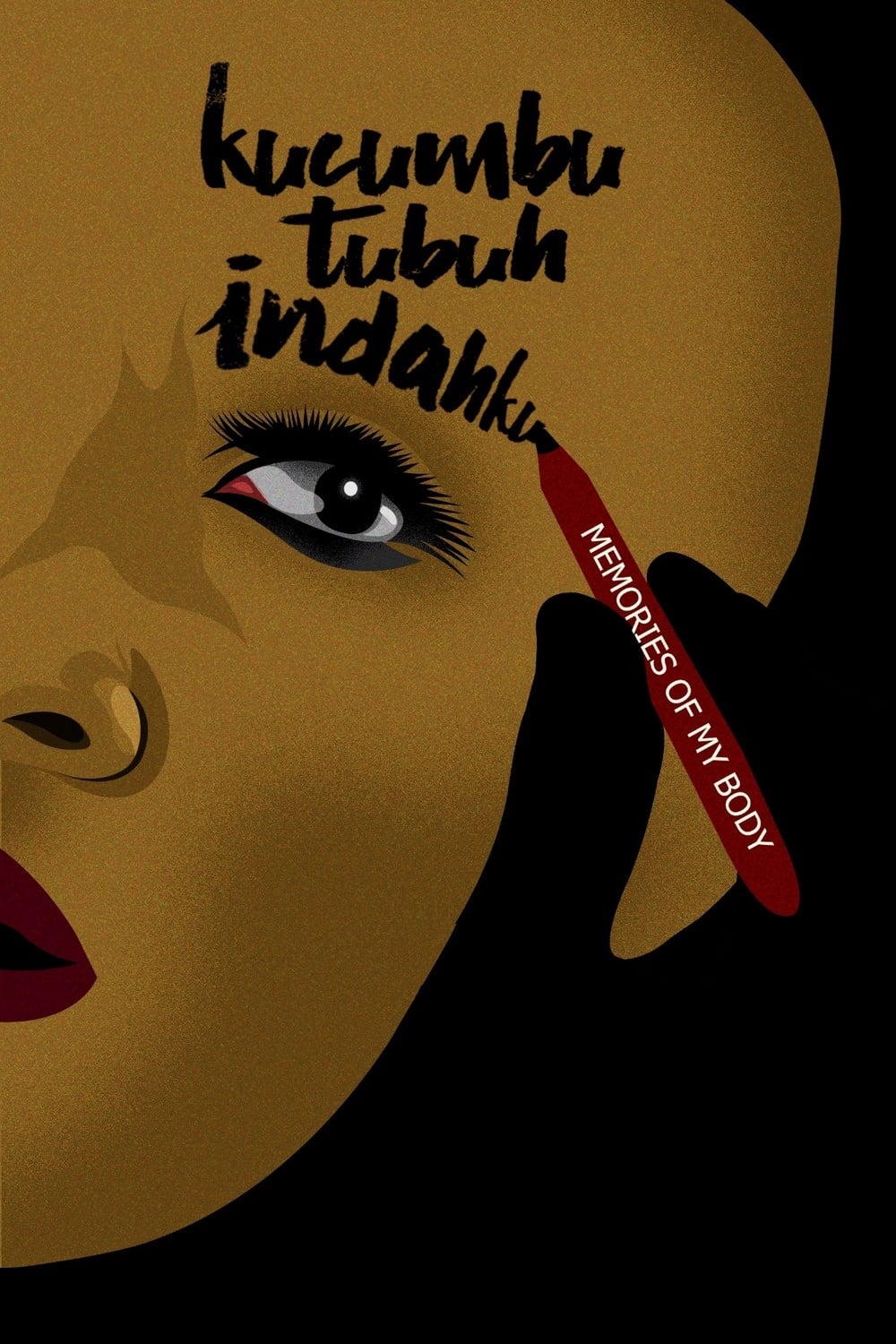
Memories of My Body
2019 film by Garin Nugroho
Babad
Indonesian palm-leaf manuscript classification

Bharatayuddha
thumb|360px|Wayang glass painting depiction of Bhāratayuddha battle
Imogiri Cemetery
royal cemetery in Java
Naloni Mitoni
Tingkeban is a Javanese prenatal ceremony held during the seventh month of a woman's pregnancy, also known as mitoni. The ritual is also known as slametan mitoni, another name for the slametan rudjakan, which is held when rice in the field is almost ripe and can soon be harvested. Tingkeban is conducted by village midwives and is performed on the seventh, 17th, or 27th day of the seventh Islamic month of the pregnancy, at 7 am. In some locations, the tingkeban is only done for the birth of the first child in the family, whereas others hold a shortened version of the ritual that does not involv
Museum Tani Jawa Indonesia
ethnographic museum in Yogyakarta, Indonesia
Satu Suro
first day of the new year in the Javanese calendar