Category
page 1Jurassic first appearances
Ammonitida
Ammonitida, or true ammonites, are an order of ammonoid cephalopods that lived from the Jurassic through Paleocene time periods, commonly with intricate ammonitic sutures.
Pycnodontidae
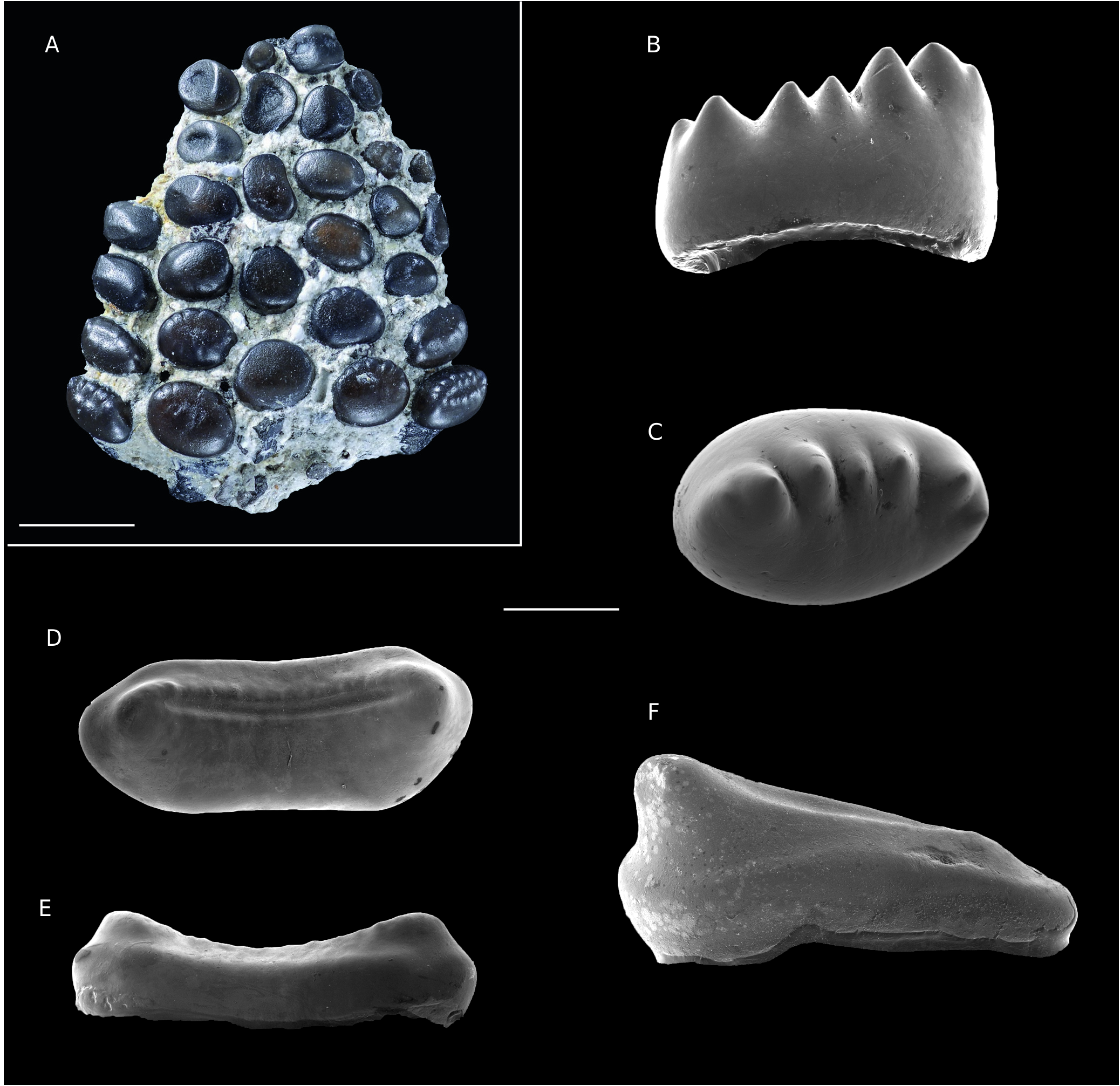
Pycnodontidae is an extinct family of ray-finned fishes, ranging from the Jurassic period until the Late Eocene. It was the largest and most derived family of the successful Mesozoic fish order Pycnodontiformes, and one of only two families (alongside the Serrasalmimidae) to survive into the Cenozoic.
Ammonitina
Ammonitina comprises a diverse suborder of ammonite cephalopods that lived during the Jurassic and Cretaceous periods of the Mesozoic Era. They are excellent index fossils, and it is often possible to link the rock layer in which they are found to specific geological time periods.
Paulchoffatiidae
Paulchoffatiidae is a family of extinct mammals that lived predominantly during the Late Jurassic epoch, though a couple of genera are known from the Early Cretaceous. Fossils have been reported from Europe (Portugal, Spain, Germany, and England). Paulchoffatiids were members of the order Multituberculata. They were relatively early representatives and are within the informal suborder of "Plagiaulacida". The family was named by G. Hahn in 1969, and it honors the Portuguese geologist Léon Paul Choffat.

Baenidae
Baenidae is an extinct family of paracryptodiran turtles known from the Early Cretaceous to Eocene of North America. While during the Early Cretaceous they are found across North America, during the Late Cretaceous they are only found in Laramidia, having disappeared from Appalachia. Most lineages survived the K-Pg Extinction, but the family was extinct by the latest Eocene. The name of the type genus, Baena, appears to be of Native American origin, likely from the Arapaho be’enoo. They are primarily found in freshwater deposits, and are considered to be aquatic, with a largely generalist habi
Coptoclavidae
Coptoclavidae is an extinct family of aquatic beetles in the suborder Adephaga. The Coptoclavidae lived from the Late Triassic to the Early Cretaceous. Coptoclavidae is a member of the adephagan clade Dytiscoidea, which contains living aquatic beetles, including living predatory diving beetles (Dytiscidae). Coptoclavids are thought to have hunted on the water surface, similar to whirligig beetles (Gyrinidiae), with prey likely including small fish and larval amphibians. Suggested reasons for their extinction to include the rise of teleost fish, or competition with Gyrinidae and Dytiscidae, whi
Pantotheria
Pantotheria is an abandoned taxon of Mesozoic mammals. This group is now considered an informal "wastebasket" taxon and has been replaced by Dryolestida as well as other groups. It is sometimes treated as an infraclass and older books refer to it as being related to symmetrodonts. One classification makes it an infraclass with a single order, Eupantotheria.
Leptochiton
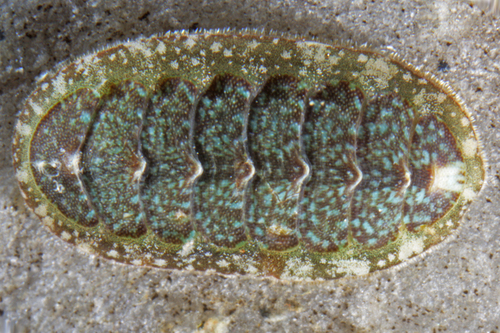
genus of molluscs
Paracryptodira
__NOTOC__
Volaticotheria
Volaticotherini is a clade of eutriconodont mammals from the Mesozoic. In addition to the type genus Volaticotherium, it includes the genera Argentoconodon, Ichthyoconodon, and potentially Triconolestes.
Aneuretopsychidae
Aneuretopsychidae is an extinct family of scorpionflies known from the Mesozoic. Fossils are known from the Jurassic (Callovian-Oxfordian) to the early Late Cretaceous (Cenomanian). It is part of Mesopsychoidea, a group of scorpionflies with siphonate proboscis. They are suggested to have been nectarivores, feeding off the liquid pollination drops of and acting as pollinators for now extinct insect pollinated gymnosperms such as Bennettitales.
Cycadeoidaceae
Cycadeoidaceae is a family of bennettitalean plants which flourished in the Mesozoic era. Two genera, Cycadeoidea and Monanthesia, are currently recognised though most species are poorly known. They had a similar morphology to cycads, with thick, branchless trunks covered in scale leaves.
alt=Cycadeoidea_sp|thumb|Cycadeoidea (a member of the Cycadeoidaceae) on display at the [[Naturmuseum Senckenberg]]
Lycopteridae
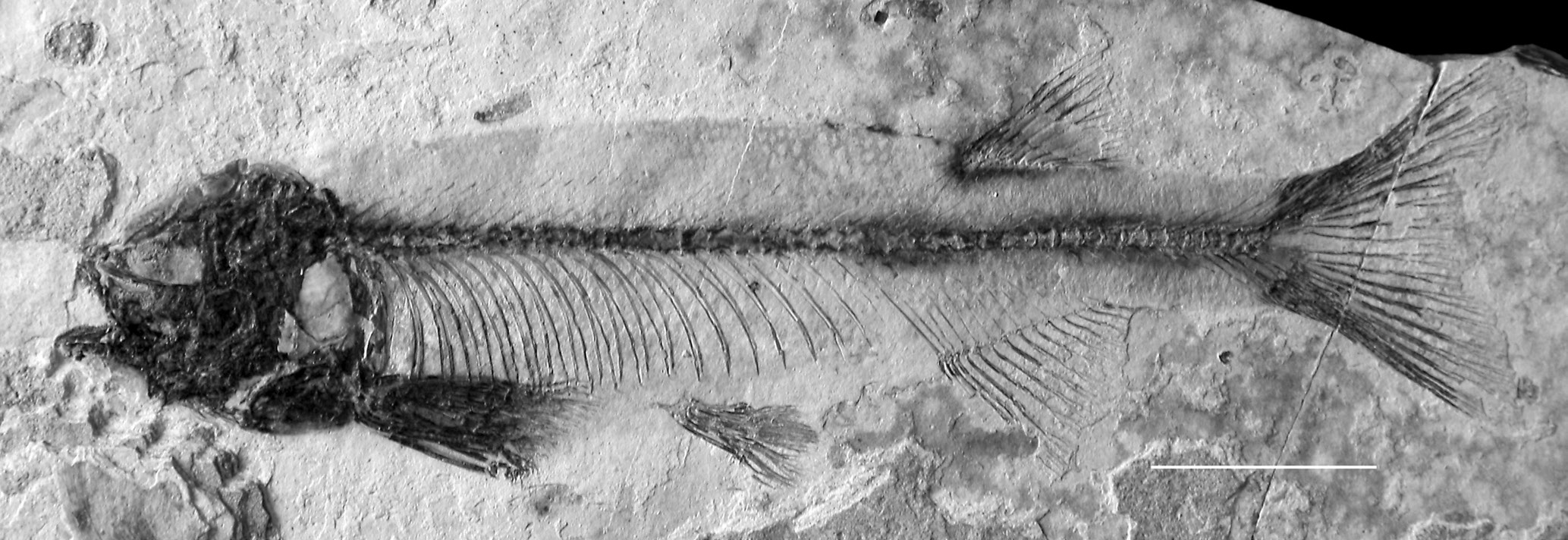
Lycopteridae is an extinct family of freshwater osteoglossomorph ray-finned fishes.
Euharamiyida
Euharamiyida also known as Eleutherodontida, is clade of early mammals or mammal-like cynodonts from the Middle Jurassic to Early Cretaceous of Eurasia and possibly North America. The group is sometimes considered a sister group to Multituberculata, or part of an earlier divergence within the synapsid line. It is disputed whether or not they are related to the haramiyids from the Late Triassic, such as Haramiyavia. The morphology of their teeth indicates that they were herbivorous or omnivorous. Some members of the group are known to be arboreal, including gliding forms similar to modern flyin