Category
page 1Justinian I

Hagia Sophia
mosque, museum, and former church in Istanbul, Turkey

Justinian I
Eastern Roman Emperor who ruled from 527 to 565 (482-565)

Theodora
Byzantine empress from 527 to 548
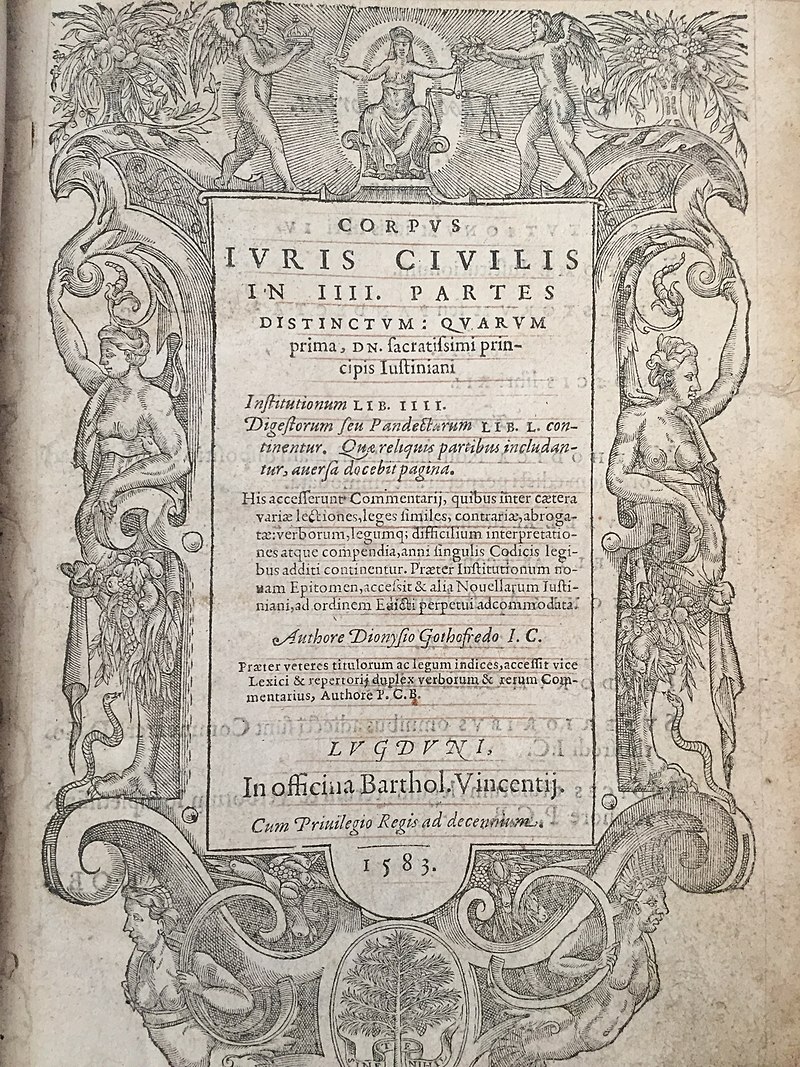
Corpus Juris Civilis
collection of fundamental works in jurisprudence as codified by Justinian

Plague of Justinian
541–549 AD pandemic in the Byzantine Empire, later northern Europe

Selçuk
Selçuk is a municipality and district of İzmir Province, Turkey. Its area is 317 km2, and its population is 38,151 (2022). The town Selçuk is located northeast of the ancient city of Ephesus, that was once home to the Temple of Artemis, one of the Seven Wonders of the Ancient World.

Second Council of Constantinople
Council of the Christian church held from held from 5 May to 2 June 553

Nika riots
rebellion in the Byzantine empire

Anthemius of Tralles
ancient Greek scientist and architect

Basilica Cistern
cistern of Byzantine Constantinople

Hagia Irene
Byzantine church building in Istanbul, Turkey now a hall and museum
Little Hagia Sophia
former Greek Eastern Orthodox church in Istanbul converted to a mosque
Digest
Roman law digest

Spania
Spania () was a province of the Eastern Roman Empire from 552 until 624 in the south of the Iberian Peninsula and the Balearic Islands. It was established by the Emperor Justinian I in an effort to restore the western provinces of the Empire.
Code of Justinian
part of the 6th century codification of Roman law
Eutychius of Constantinople
Ecumenical Patriarch of Constantinople
Menas of Constantinople
Patriarch of Constatinople

Tauresium
Tauresium (Latin: Tauresium; Ancient Greek Ταυρήσιον; ), today known as Gradište (), is an archaeological site in North Macedonia, near the village of Taor. Tauresium is the birthplace of Byzantine Emperor Justinian I (ca. 482) and King Theodahad of the Ostrogoths (480).
Christ Pantocrator (Sinai)
painting of Christ
Three-Chapter Controversy
a phase in the Chalcedonian controversy
Eternal Peace
a peace treaty concluding the Iberian war between Byzantine and Sasanian empires
Anthimus I of Constantinople
Patriarch of Constantinople
Novellae Constitutiones
one of the four components of the “Corpus juris civilis” drafted under the Byzantine emperor Justinian
Aphthartodocetae
The Aphthartodocetae (Greek , from ἄφθαρτος, aphthartos, "incorruptible" and δοκεῖν, dokein, "to seem"), also called Julianists or Phantasiasts by their opponents, were members of a 6th-century Non-Chalcedonian sect. Their leader, Julian of Halicarnassus, taught that Christ's body was always incorruptible and only appeared to corrupt and exhibit blameless passions. This was in disagreement with another Non-Chalcedonian leader, Severus of Antioch, who insisted that Christ's body was passible, truly manifested blameless passions, was corruptible, and only became incorruptible following the resur
Cyril of Scythopolis
Palestinian monk, biographer (6th century)
Barberini ivory
relief
Institutes of Justinian
sixth century codification of Roman law
praetorian prefecture of Africa
division of the Eastern Roman Empire established after the reconquest of northwestern Africa from the Vandals
Liberius
Roman aristocrat (465-554)
smuggling of silkworm eggs into the Byzantine Empire
6th century event, in which two Nestorian monks smuggled silkworm from China into the Byzantine Empire, leading to the establishment of an indigenous Byzantine silk industry
Epiphanius of Constantinople
Patriarch of Constantinople
Fifty-Year Peace Treaty
562 treaty between the Byzantine and Sassanid Empires
Sampson the Hospitable
Byzantine saint
Nonnosus
Byzantine diplomat and historian

Porphyrios
whale active near Constantinople
Quaestura exercitus
Late Roman province
Theodorias
Byzantine province (528–7th Century)
Battle of Melantias
559 battle of the Byzantine-Kutrigur war
Syria I
Byzantine province (c.415–630s)
Dorotheus
Byzantine lawyer
Littera Florentina
Archbishopric of Justiniana Prima

On Buildings
work by Procopius
Theophilus
law teacher, collaborator to the Codex Iustinianus
suffragium
Suffragium (plural suffragia) was the practice of buying and selling provincial governorships in the later Roman Empire and the early Byzantine Empire. Suffragium was prohibited by Justinian I in 535 AD.
Hypatius of Ephesus
metropolitan of Ephesus

Count Belisarius
novel by Robert Graves (1938)
Byzantine North Africa
historical period (6th-8th c.)