Category
page 1Knights of St Patrick

George VI
George VI was King of the United Kingdom and the Dominions of the British Commonwealth from 11 December 1936 until his death in 1952. He was also the last Emperor of India from 1936 until the British Raj was dissolved in August 1947, and the first Head of the Commonwealth following the London Declaration of 1949.
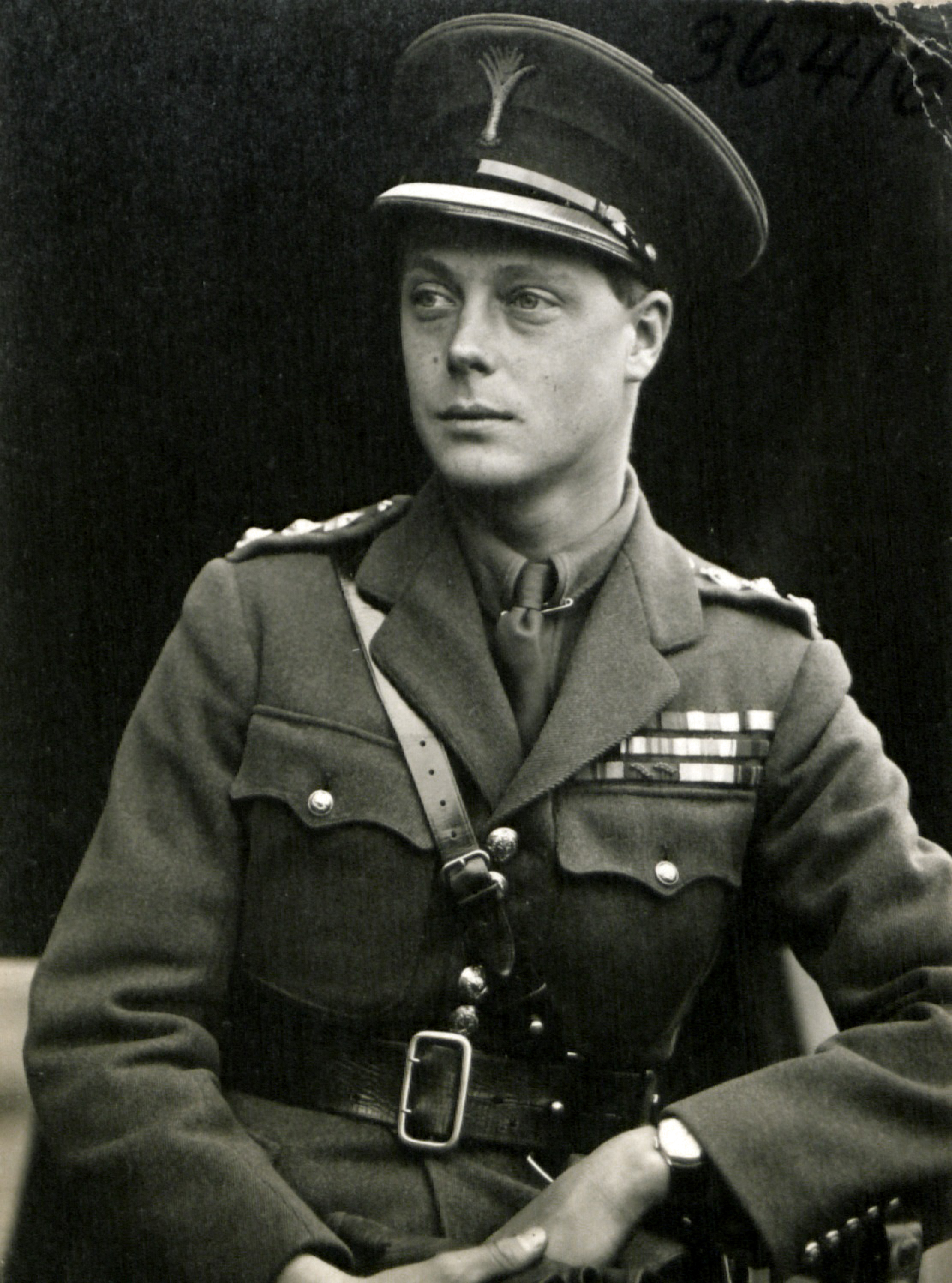
Edward VIII
Edward VIII, later known as the Duke of Windsor, was King of the United Kingdom and the British Dominions, and Emperor of India, from 20 January 1936 until his abdication in December of the same year.

Edward VII
Edward VII was King of the United Kingdom and the British Dominions, and Emperor of India, from 22 January 1901 until his death in 1910.

Prince Albert of Saxe-Coburg and Gotha
Prince Albert of Saxe-Coburg and Gotha was the husband of Queen Victoria and consort of the British monarch from their marriage on 10 February 1840 until his death in 1861. Victoria granted him the title Prince Consort in 1857.

Horatio Kitchener, 1st Earl Kitchener
Irish officer and colonial administrator in the British Army (1850–1916)

Ernest Augustus, King of Hanover
King of Hanover from 1837 to 1851

William Parsons, 3rd Earl of Rosse
Anglo-Irish astronomer (1800-1867)

Alfred, Duke of Saxe-Coburg and Gotha
Duke of Saxe-Coburg and Gotha from 1893 to 1900 (1844–1900)

Prince Edward, Duke of Kent and Strathearn
British prince (1767-1820); fourth son of George III
Prince Arthur, Duke of Connaught and Strathearn
British prince (1850–1942), Governor General of Canada from 1911 to 1916

Prince Albert Victor, Duke of Clarence and Avondale
British prince (1864-1892); eldest child of the future King Edward VII and Queen Alexandra

Prince Henry, Duke of Gloucester
British soldier (1900–1974), Governor-General of Australia from 1945 to 1947

Richard Wellesley, 1st Marquess Wellesley
British politician (1760-1842)

John French, 1st Earl of Ypres
Anglo-Irish officer in the British Army (1852-1925)

Prince George, Duke of Cambridge
British prince and military commander (1819–1904)
Frederick Roberts, 1st Earl Roberts
British general (1832–1914)
Frederick Hamilton-Temple-Blackwood, 1st Marquess of Dufferin and Ava
British public servant and prominent member of Victorian society (1826–1902)
Order of St Patrick
dormant British order of chivalry associated with Ireland, created in 1783
Garnet Wolseley, 1st Viscount Wolseley
Anglo-Irish officer in the British Army (1833-1913)
Lawrence Parsons, 4th Earl of Rosse
British astronomer (1840-1908)
Hugh Gough, 1st Viscount Gough
British field marshal (1779-1869)
William Pirrie, 1st Viscount Pirrie
Irish shipbuilder (1847-1924)
George Villiers, 4th Earl of Clarendon
British diplomat (1800-1870)
James Hamilton, 3rd Duke of Abercorn
3rd Duke of Abercorn (1869-1953)
Richard Bourke, 6th Earl of Mayo
British Conservative statesman and 4th Viceroy of India (1822–1872)
Prince Edward of Saxe-Weimar-Eisenach
British military officer of German parents (1823-1902)
Rudolph Lambart, 10th Earl of Cavan
British Field Marshal (1865-1946)
William FitzGerald, 2nd Duke of Leinster
Irish politician and landowner

St John Brodrick, 1st Earl of Midleton
British politician (1856-1942)
Ivor Guest, 1st Viscount Wimborne
British politician (1873-1939)
William Montagu, 7th Duke of Manchester
British politician (1823-1890)
George Vane-Tempest, 5th Marquess of Londonderry
English politician and cricketer (1821-1884)
Ulick de Burgh, 1st Marquess of Clanricarde
British politician and diplomat (1802–74)
Chichester Parkinson-Fortescue, 1st Baron Carlingford
British politician (1823-1898)
John FitzGibbon, 2nd Earl of Clare
British noble (1792–1851)

Edward Guinness, 1st Earl of Iveagh
Edward Cecil Guinness, 1st Earl of Iveagh,, known between May 1885 and January 1891 as Sir Edward Cecil Guinness, 1st Baronet, was an Anglo-Irish businessman and philanthropist. A member of the prominent Guinness family, he was the head of the family's eponymous brewing business, making him the richest person in Ireland. A prominent philanthropist, he is best remembered for his provision of affordable housing in London and Dublin through charitable trusts.

Howe Browne, 2nd Marquess of Sligo
Irish peer and colonial governor (1788-1845)
Edward Ponsonby, 8th Earl of Bessborough
Irish noble (1851-1920)
Richard Boyle, 9th Earl of Cork
British politician (1829-1904)
Reginald Brabazon, 12th Earl of Meath
Irish politician and philanthropist (1841-1929)
Henry Conyngham, 1st Marquess Conyngham
Irish peer
Charles Chetwynd-Talbot, 2nd Earl Talbot
British politician (1777-1849)
Francis Conyngham, 2nd Marquess Conyngham
British Army general (1797-1876)
Philip Gore, 4th Earl of Arran
Anglo-Irish peer (1801-1884)
Edwin Wyndham-Quin, 3rd Earl of Dunraven and Mount-Earl
British politician
Francis Needham, 3rd Earl of Kilmorey
British politician (1842-1915)
Arthur Hill, 4th Marquess of Downshire
English cricketer (1812-1868)
Thomas Pakenham, 5th Earl of Longford
British Army general (1864-1915)
Arthur Gore, 5th Earl of Arran
Irish earl and diplomat (1839–1901)
George Chichester, 3rd Marquess of Donegall
British politician (1797-1883)
James Stopford, 3rd Earl of Courtown
British politician
Charles Moore, 1st Marquess of Drogheda
British peer and military officer
Bernard Forbes, 8th Earl of Granard
Irish politician (1874-1948)
Charles Bingham, 4th Earl of Lucan
British politician (1830-1914)
John Hely-Hutchinson, 3rd Earl of Donoughmore
British politician
John Butler, 2nd Marquess of Ormonde
British politician
Edmund Boyle, 8th Earl of Cork
British Army general
John Beresford, 5th Marquess of Waterford
Irish Marquess and politician (1844-1895)
James Alexander, 4th Earl of Caledon
Irish peer and politician (1846-1898)
Dudley FitzGerald-de Ros, 23rd Baron de Ros
British Army general (1827–1907)