Category
page 1Kokkashugi

Hirohito
, known colloquially by his personal name was the 124th emperor of Japan according to the traditional order of succession, reigning from 1926 until his death in 1989. He remains the longest-reigning emperor in Japanese history and one of the longest-reigning monarchs in the world. As emperor during the Shōwa era, Hirohito presided over the rise of Japanese militarism, the Second Sino-Japanese War, the Asia-Pacific theater of World War II, and the nation's postwar economic miracle.
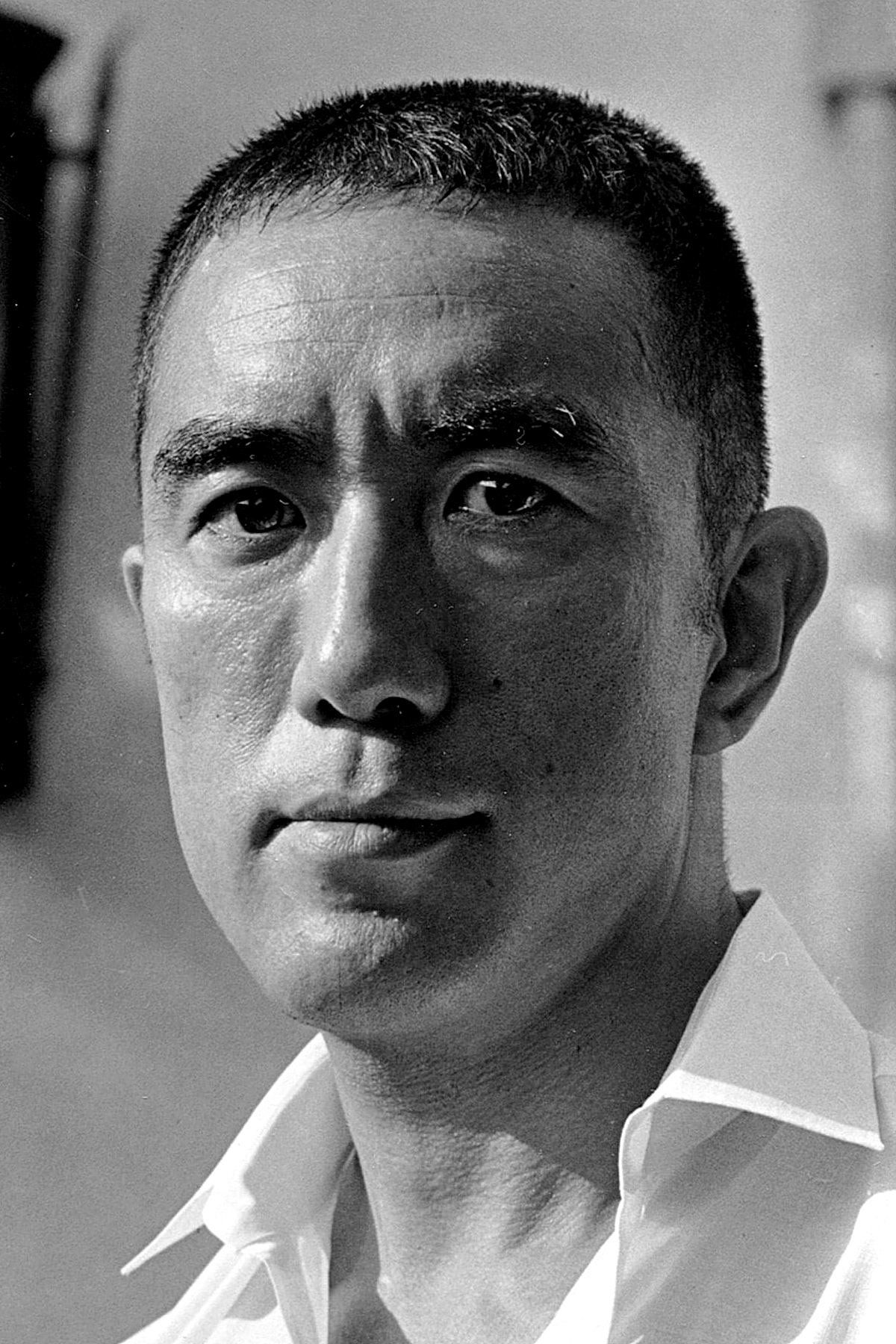
Yukio Mishima
Japanese author (1925–1970)
Axis Powers
major alliance of World War II
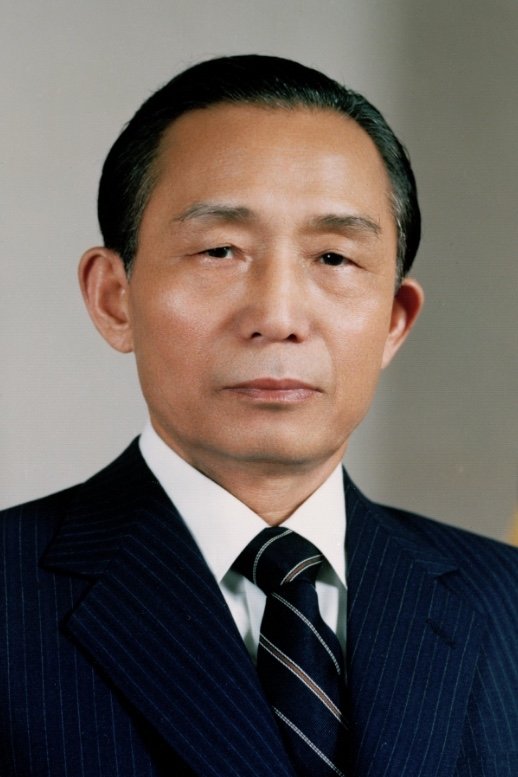
Park Chung-hee
3rd President of the Republic of Korea
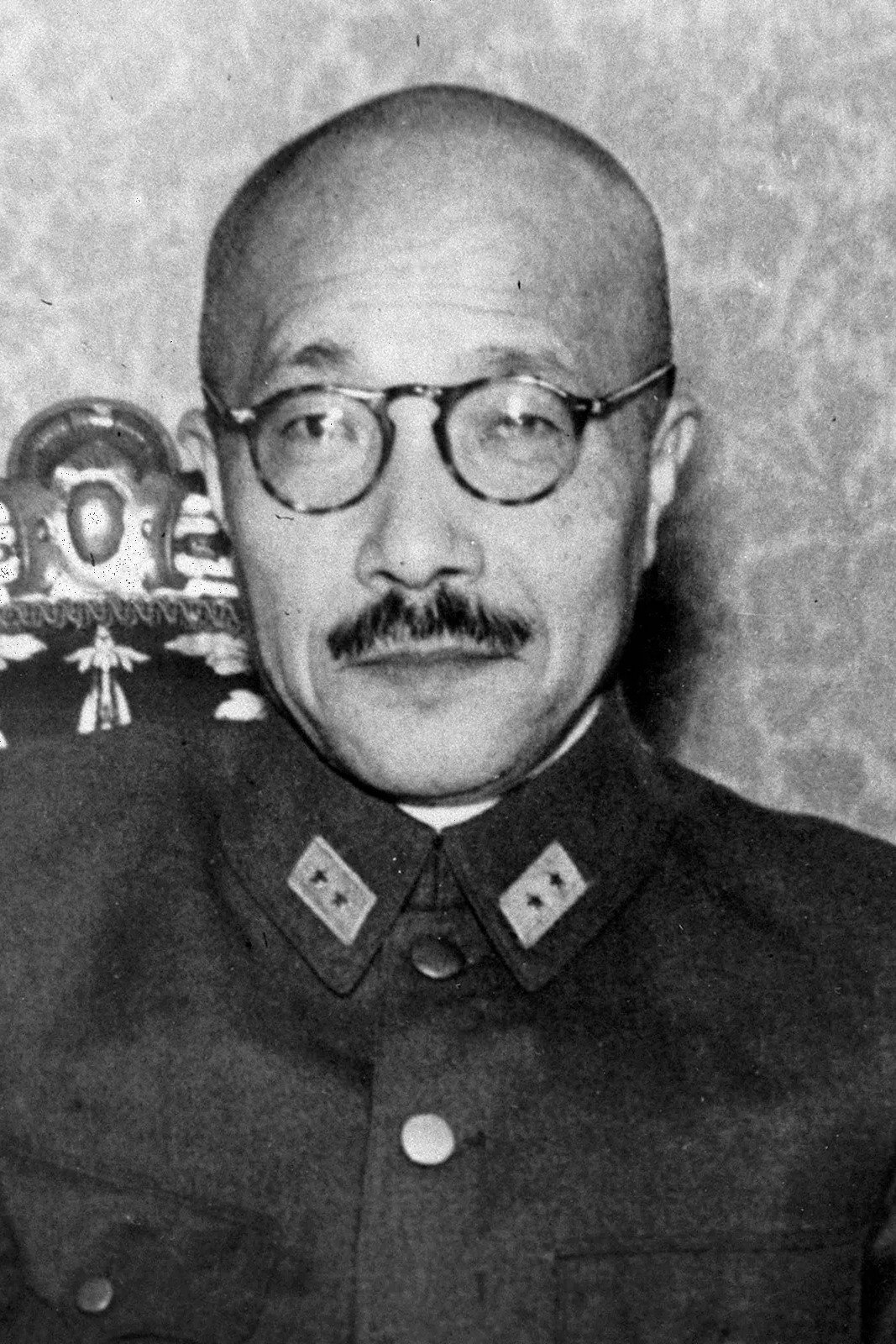
Hideki Tojo
Japanese general and politician (1884–1948)

Subhas Chandra Bose
Indian nationalist leader (1897-1945)

Nobusuke Kishi
56th and 57th Prime Minister of Japan (1896–1987)

Fumimaro Konoe
politician and former Prime Minister of Japan (1891–1945)
Kuniaki Koiso
Japanese officer, former Prime Minister (1880–1950)
Hiranuma Kiichirō
Japanese politician (1867-1952)
Greater East Asia Co-Prosperity Sphere
propaganda term for the sphere of influence of the Japanese empire, purporting to provide pan-Asian autonomy free from European colonialism

Sadao Araki
Japanese officer and general (1877–1966)
Inejirō Asanuma
Japanese politician (1898–1980)
February 26 Incident
failed 1936 coup d'état in Japan
Japanese war crimes
Japanese war crimes of World War II
Shūmei Ōkawa
Japanese nationalist intellectual (1886–1957)

Pan-Asianism
thumb|Satellite photograph of Asia in orthographic projection.
Pan-Asianism (also known as Asianism or Greater Asianism) is an ideology aimed at creating a political and economic unity among Asian peoples. Various theories and movements of Pan-Asianism have been proposed, particularly from East, South and Southeast Asia. The motive for the movement was in opposition to the values of Western imperialism and colonialism, and that Asian values were superior to European values.
Nippon Kaigi
Japanese far-right organisation
hakkō ichiu
Japanese political slogan, popularized during the Second Sino-Japanese war, describing Japanese imperial rule as divinely ordained to expand until it united the entire world
Seigō Nakano
Japanese journalist and politician (1886–1943)
Kingorō Hashimoto
Japanese officer and politician, war criminal (1890-1957)

Kokutai
thumb|The nationalistic essence of kokutai is thought of as the uniqueness of the Japanese polity as issuing from a leader of divine origin.
is a concept in the Japanese language translatable as "system of government", "sovereignty", "national identity, essence and character", "national polity; body politic; national entity; basis for the Emperor's sovereignty; Japanese constitution" or nation.
State Shinto
official religion of the Japanese Empire, emphasizing the divinity of the Japanese emperor
uyoku dantai
type of ultranationalist far-right group(s) in Japan
Masanobu Tsuji
Japanese officer in WWII, war criminal
Imperial Way Faction
political faction in the Imperial Japanese Army active in the 1920s and 1930s
Japanese militarism
militaristic ideology espoused by Imperial Japan (1873-1945)

Sakurakai
150px|right|thumb|Lieutenant Colonel Hashimoto, founder of the Sakurakai
, was an ultranationalist secret society established by young officers within the Imperial Japanese Army in September 1930, with the goal of reorganizing the state along totalitarian militarist lines via a military coup d'état, if necessary. Its avowed goal was a Shōwa Restoration, which they claimed would restore Emperor Shōwa to his rightful place, free of party politics and evil bureaucrats in a new military dictatorship. They also advocated for state socialism, according to the model proposed by Kita Ikki.
Tatenokai
The or Shield Society was a private militia in Japan dedicated to traditional Japanese values and veneration of the Emperor. It was founded and led by author Yukio Mishima. The private militia was officially founded in 1968 for the purpose of preventing indirect aggression by proponents of foreign ideology seeking to destroy Japanese traditional culture, and protecting the dignity of the Emperor as a symbol of Japan's national identity.
Shōwa Restoration

Tōhōkai
thumb|right|Nakano Seigō
Bin Akao
Japanese ultranationalist political activist (1899–1990)

statism in Shōwa Japan
thumb|New Year's Day postcard from 1940 celebrating the 2,600th anniversary of the mythical foundation of the empire by Emperor Jimmu
Matsue Incident
coup d'état attempt in Japan
Nanjing Massacre denial
denial of the mass killing of Chinese soldiers and civilians during the Second Sino-Japanese War
antisemitism in Japan
Shakai Taishūtō
political party
Ryōichi Sasakawa
Japanese businessman, politician and philanthropist (1899–1995)
Nissho Inoue
Japanese activist
Jinzaburō Masaki
Japanese general (1876–1956)
Makapili
The Makabayang Katipunan ng mga Pilipino (), better known as the Makapili, was a militant group formed in the Philippines on December 8, 1944, during World War II to give military aid to the Imperial Japanese Army. The group was meant to be on equal basis with the Japanese Army and its leaders were appointed with ranks that were equal to their Japanese counterparts.
Tanaka Chigaku
Buddhist scholar
Kokuhonsha
The was a nationalist political society in late 1920s and early 1930s Japan.
New Right in South Korea
Political party in South Korea
Sanmu Incident
1961 attempted coup d'état in Japan

The Cleanest Race
2010 non-fiction work by Brian Reynolds Myers