Category
page 1Labeling theory

stereotype
thumb|upright|An 18th-century Dutch engraving of the peoples of the world.
thumb|A stereotypical caricature of a [[villain (i.e. generic melodramatic villain stock character, with handlebar moustache and black top-hat), particularly popular in early-20th-century silent films and melodramas and popularized by Snidely Whiplash]]
thumb|Police officers buying doughnuts and [[coffee, an example of perceived stereotypical behavior in North America]]
In social psychology, a stereotype is a generalized belief about a particular category of people. It is an expectation that people might have about ever
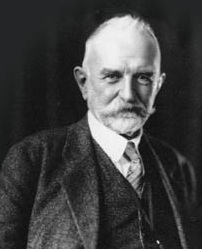
George Herbert Mead
American philosopher, sociologist, and psychologist

social stigma
type of discrimination or disapproval based on perceivable social characteristics that serve to distinguish a person from other members of a society
.jpg)
snob
thumb|Caricature of American lawyer and socialite Ward McAllister (1855–1908) pointing [[Uncle Sam to "an English Snob of the 19th Century" and saying how he must imitate him or "you will nevah be a gentleman". Uncle Sam is shown laughing heartily.]]
Howard S. Becker
American sociologist (1928–2023)
labeling theory
theory of how the self-identity and behavior of individuals may be determined or influenced by the terms used to describe or classify them
labelling
Labelling or using a label is describing someone or something in a word or short phrase. For example, the label "criminal" may be used to describe someone who has broken a law. Labelling theory is a theory in sociology which ascribes labelling of people to control and identification of deviant behaviour.
It has been argued that labelling is necessary for communication. However, the use of the term is often intended to highlight the fact that the label is a description applied from the outside, rather than something intrinsic to the labelled thing. This can be done for several reasons:
To prov
Frank Tannenbaum
American academic (1893–1969)