Category
page 1Labor relations

labor union
organization of workers with common goals

minimum wage
lowest remuneration which can be paid legally in a state for working

labor law
mediates the relationship between workers, employers, trade unions and the government
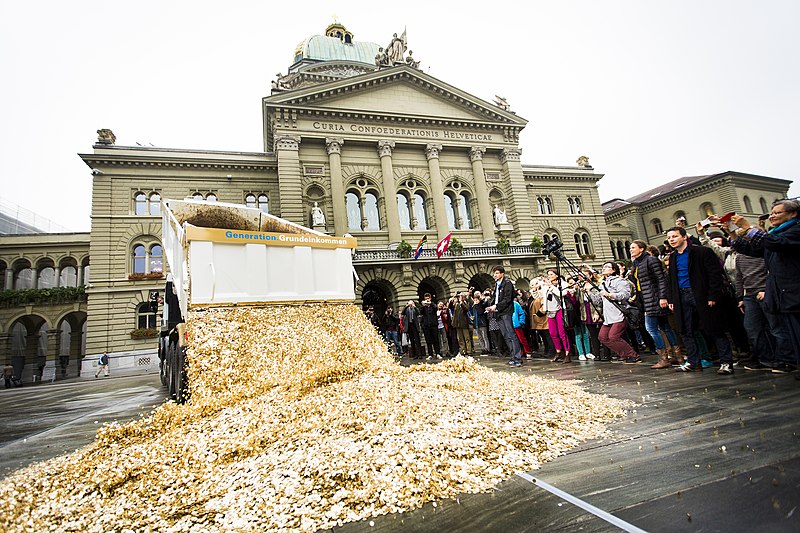
universal basic income
sociopolitical financial transfer proposal

anti-capitalism
thumb|right|The "Pyramid of Capitalist System" cartoon made by the [[Industrial Workers of the World (1911) is an example of a socialist critique of capitalism and of social stratification.]]

revolutionary syndicalism
thumb|Demonstration by the Argentine syndicalist union FORA in 1915
wage labor
relationship where a worker sells labour to an employer

lockout
temporary work stoppage or denial of employment initiated by the management of a company during a labor dispute
.jpg)
coolie
250px|thumb|Indian labourers in British Trinidad and Tobago; around 1890s
workers' self-management
form of organizational management based on self-directed work processes on the part of an organization's workforce
overtime
Overtime is the amount of time someone works beyond normal working hours. The term is also used for the pay received for this time. Normal hours may be determined in several ways:
by custom (what is considered healthy or reasonable by society),
by practices of a given trade or profession,
by legislation,
by agreement between employers and workers or their representatives.
negative income tax
proposed tax reform
collective bargaining
negotiations between employers and a group of employees
socialist sef-management
economic or business model practiced in Yugoslavia

picketing
thumb|Employees of the BBC form a picket line during a strike in May 2005.
Picketing is a form of protest in which people (called pickets or picketers) congregate outside a place of work or location where an event is taking place. Often, this is done in an attempt to dissuade others from going in ("crossing the picket line"), but it can also be done to draw public attention to a cause. Picketers normally endeavor to be non-violent. It can have a number of aims but is generally to put pressure on the party targeted to meet particular demands or cease operations. This pressure is achieved by har
employers' organization
association of employers for joint advocacy purposes towards trade unions and state
working poor
social class of working people whose incomes fall below a poverty line due to low-income jobs and low familial household income
academic tenure
indefinite academic appointment

McJob
thumb|McDonald's staff in Quezon City, Philippines
"McJob" is a slang term for a low-paying, low-prestige dead-end job that requires few skills and offers very little chance of advancement. The term "McJob" comes from the name of the fast-food restaurant McDonald's, but is used to describe any low-status jobregardless of employerwhere little training is required, staff turnover is high, and workers' activities are tightly regulated by managers.
European Trade Union Confederation
European union federation
leave of absence
authorised prolonged absence from work
industrial democracy
arrangement which involves workers making decisions, sharing responsibility and authority in the workplace
internal communications
function responsible for effective communications among participants within an organization
guaranteed minimum income
system of social welfare provision that guarantees that all citizens or families have an income sufficient to live on, provided they meet certain conditions
Solidarity Forever
popular trade union song
social dialogue
process whereby social partners negotiate to influence economic policies

contingent work
Type of employment relationship involving non-permanent freelance work with payment based on piece work

precarity
Precarity (also precariousness) is a precarious existence, lacking in predictability, job security, material or psychological welfare. The social class defined by this condition has been termed the precariat.
workers' control
participation in management by employees
union busting
efforts to prevent or hinder unionization among workers
precarious work
non-standard employment poorly paid, insecure, unprotected, and cannot support a household
Industrial unionism
labor union organizing model in which all workers in the same industry are organized into the same union
union representative
official of a labor union or trade union
workweek and weekend
parts of the week devoted to labor and rest, respectively
Closed shop
labour arrangement where the employer must hire unionised members
overwork
Overwork, also known as excessive work or work overload, is an occupational condition characterized by working excessively, frequently at the expense of the worker's physical and mental health. It includes working beyond one's capacity, leading to fatigue, stress, and potential health complications.
labor relations
field of study that can have different meanings depending on the context in which it is used
Association of German Chambers of Industry and Commerce
organization
reduction of working hours
global union federation
international federation of labor unions
paid time off
time that an employee can take off of work while still being paid
master contract
type of collective bargaining agreement
labor history
study of labour relations and workers' social movements
Tripartite Consultation Convention
International Labour Organization Convention
social partners
Group that cooperate in working relationships to achieve a mutually agreed-upon goal
Agency shop
A form of union security agreement where employees need not join the union in order to remain employed
Work Order Act
basic labor law of Nazi Germany
power harassment
form of harassment
compulsory arbitration
type of arbitration