Category
page 3Language articles with Linguasphere code
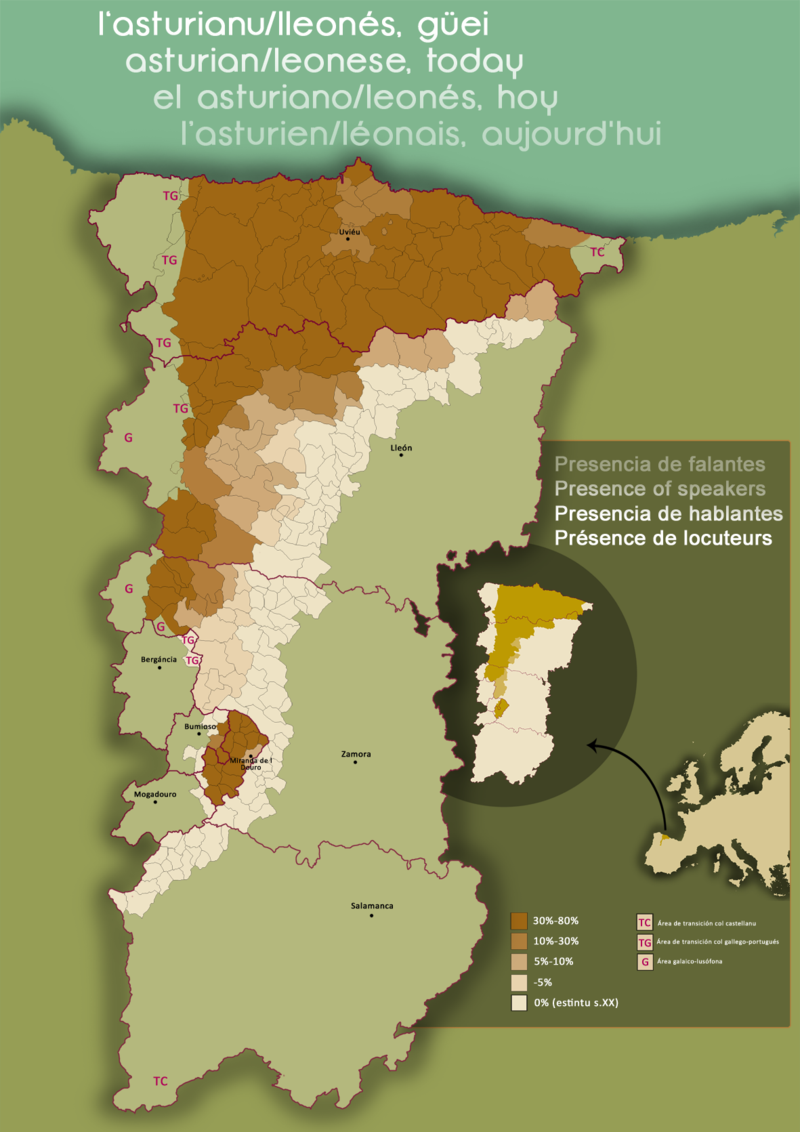
Asturian
Romance language of the West Iberian group

Walloon
Romance language indigenous to Belgium and France

Montenegrin
normative variety of Serbo-Croatian in Montenegro

Sundanese
language spoken in Indonesia

Igbo
Niger–Congo language of the Igbo people, mainly spoken in Nigeria

Gagauz
Turkic language, spoken mainly by the Gagauz people and the official language of the autonomous Moldovan region of Gagauzia

Avestan
Avestan ( ) is the liturgical language of Zoroastrianism. It belongs to the Iranian branch of the Indo-European language family and was originally spoken during the Avestan period ( BCE) by the Iranians living in eastern Greater Iran as evidenced from names in Avestan geography.

Lombard
Gallo-Italic language spoken in the Italian region of Lombardy

Yoruba
Niger-Congo language spoken in West Africa

Balochi
Northwestern Iranian language spoken in Pakistan, Iran and Afghanistan

Friulian
Romance language belonging to the Rhaeto-Romance family, spoken in the Friuli region of northeastern Italy

Piedmontese
Romance language spoken mainly in Italy

Cantonese
Cantonese is the traditional prestige variety of Yue Chinese, a Sinitic language belonging to the Sino-Tibetan language family. It originated in the city of Guangzhou (formerly romanized as Canton) and its surrounding Pearl River Delta. Although Cantonese specifically refers to the prestige variety in linguistics, the term is often used more broadly to describe the entire Yue subgroup of Chinese, including varieties such as Taishanese, which have limited mutual intelligibility with Cantonese.

Wolof
language of Senegal, the Gambia, and Mauritania

Sesotho
Southern Bantu language
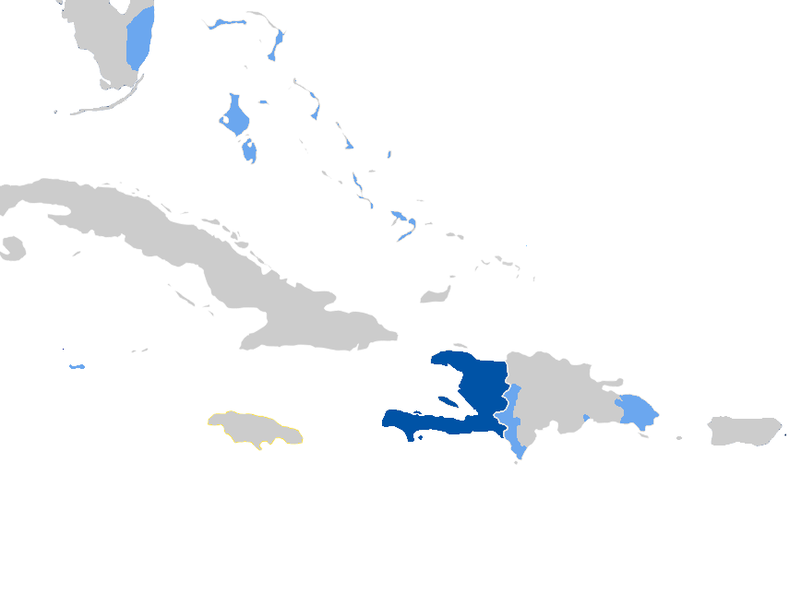
Haitian Creole
language spoken in Haiti

Samoan
language of the Samoan Islands
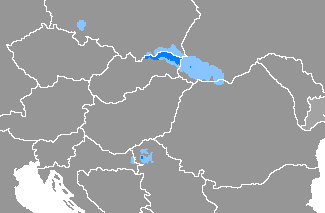
Rusyn
East Slavic language spoken by Carpathian Rusyns, Lemkos, Boykos, and Hutsuls

Kinyarwanda
Kinyarwanda, officially known as Ikinyarwanda, is a Bantu language and the national language of Rwanda. It is a dialect of the Rwanda-Rundi language that is also spoken in Uganda, where the dialect is known as Ikinyakore, Rufumbira, or Urufumbira. Kinyarwanda is universal among the native population of Rwanda and is mutually intelligible with Kirundi, the national language of neighbouring Burundi.

Fiji Hindi
language spoken by most Fijian citizens of Indian descent

Tok Pisin
English creole spoken in Papua New Guinea

Leonese
set of certain vernacular Romance language varieties spoken in León and Zamora (Spain)

Filipino
official language of the Philippines; standard and prescriptive form of Tagalog language; alternative name for Tagalog language, particularly its standardized form

Nynorsk
Nynorsk (; ) is one of the two official written standards of the Norwegian language, the other being Bokmål. From 12 May 1885, it became the state-sanctioned version of Ivar Aasen's standard Norwegian language (Landsmål), parallel to the Dano-Norwegian written standard known as Riksmål. The name Nynorsk was introduced in 1929. After a series of reforms, it is still the written standard closer to , whereas Bokmål is closer to Riksmål and Danish.

Bokmål
Bokmål (; , ; ) is one of the official written standards for the Norwegian language, alongside Nynorsk. Bokmål is by far the most used written form of Norwegian today, as it is adopted by around 90% of the population in Norway. There is no countrywide standard or agreement on the pronunciation of Bokmål and the spoken dialects vary greatly.

Novial
Novial is an international auxiliary language (IAL) created by Danish linguist Otto Jespersen in 1928. It was designed to facilitate communication between speakers of different native languages. The name of the language is a blend of the Novial word novi (meaning 'new") and IAL.

Upper Sorbian
language spoken by Sorbs in Germany in the historical province of Upper Lusatia

Venetian
Romance language spoken in the Italian region of Veneto

Tswana
Bantu language of and South Africa

Ladin
Rhaeto-Romance language of northeast Italy

Limburgish language
Limburgish ( or ; ; also Limburgian, Limburgic or Limburgan) is the collective designation for a group of closely related language varieties spoken in most of Belgian and Dutch Limburg and in the adjacent areas of North Rhine-Westphalia.

Old Church Slavonic
medieval Slavic literary language, without ISO codes, preceding Church Slavonic (Q33251, cu, chu)

Bhojpuri
Indo-Aryan language native to India and Nepal

Swazi
language of the Swazi people
Lower Sorbian
Western Slavic language spoken in eastern Germany in the historical province of Lower Lusatia

Aromanian
Eastern Romance language of the Southern Balkans

Judaeo-Spanish
Judaeo-Spanish or Judeo-Spanish (autonym , Hebrew script: ), also known as Ladino or Judezmo, Sephardi or Spaniolit, is a Romance language derived from Castilian Old Spanish.

Inuktitut
Inuktitut ( ; , syllabics ), also known as Eastern Canadian Inuktitut, is one of the principal Inuit languages of Canada. It is spoken in all areas north of the North American tree line, including parts of the provinces of Newfoundland and Labrador, Quebec, to some extent in northeastern Manitoba as well as the Northwest Territories and Nunavut. It is one of the aboriginal languages written with Canadian Aboriginal syllabics.

Papiamento
Papiamento (), or Papiamentu (; ), is a Portuguese-based creole language spoken in the Dutch Caribbean. It is the most widely spoken language on Aruba, Bonaire, and Curaçao (the ABC islands).

Cherokee
Iroquoian language spoken by the Cherokee people

Chewa
language of the Bantu language family

Fijian
Austronesian language of the Malayo-Polynesian family spoken in Fiji

Wu Chinese
Sinitic language

Ligurian
Gallo-Romance language (for the ancient extinct language use Q36104)

Shona
Bantu language of Zimbabwe and Mozambique
Bislama
thumb|A Bislama speaker, recorded in Vanuatu

Norman
Romance language of northwest France

West Frisian
West Germanic language spoken in Friesland

Lingala
Lingala (or Ngala, Lingala: ) is a Bantu language spoken in the northwest of the Democratic Republic of the Congo, the northern half of the Republic of the Congo, in their capitals, Kinshasa and Brazzaville, and to a lesser degree as a trade language because of emigration in neighbouring Angola or Central African Republic. Lingala has 20 million native speakers and about another 20 million second-language speakers, for an approximate total of 40 million speakers. A significant portion of both Congolese diasporas speaks Lingala in their countries of immigration like Belgium, France or the Unite

Ilocano
Austronesian language spoken by the native Ilocano people of the Philippines

Tsonga
Bantu language of the Tsonga people of southern Africa

Mirandese
Romance language belonging to the Astur-Leonese linguistic group, sparsely spoken in a small area of northeastern Portugal

Arpitan language
Franco-Provençal (also Francoprovençal, Patois or Arpitan) is a Gallo-Romance language that originated and is spoken in eastern France, western Switzerland, and northwestern Italy.

Venda
language of the Venda people

Hakka Chinese
primary branch of Chinese originating in Southern China
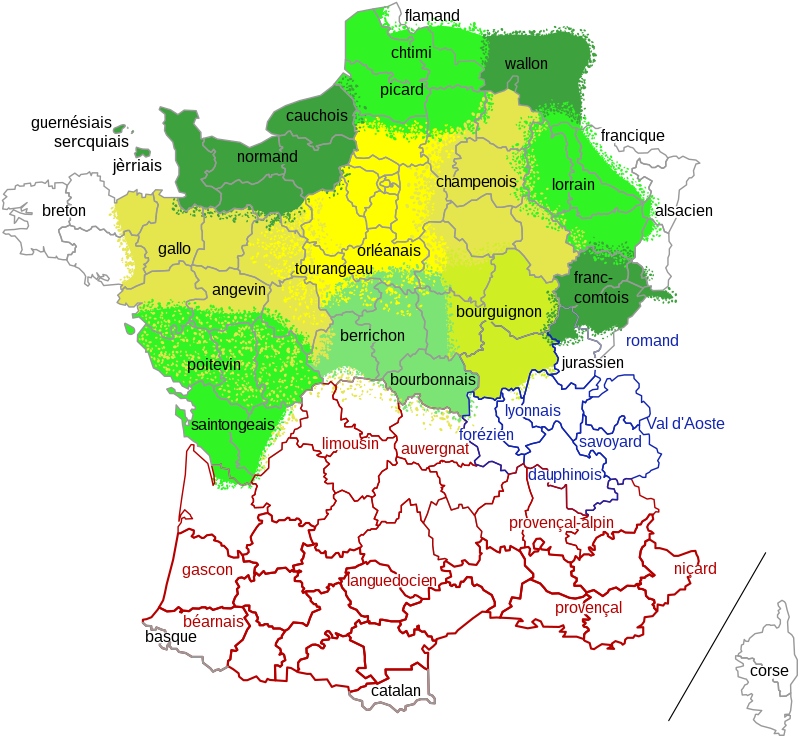
Picard
Gallo-Romance language spoken in northern France and southern Belgium

Modern Greek
dialects and varieties of the Greek language spoken in the modern era

Pennsylvania German
variety of West Central German

Awadhi
Indo-Aryan language spoken in Northern India

Dalmatian
extinct Romance language