Category
page 1Languages of Japan

Japanese
language spoken in East Asia

Ainu
language(s) spoken by Ainu ethnic groups in Hokkaido, Kuril and Sakhalin
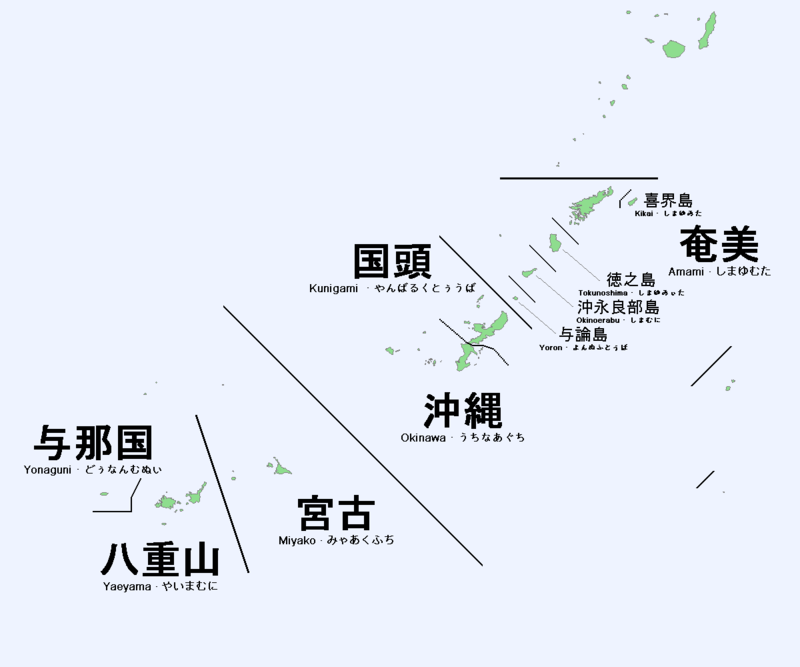
Ryukyuan
language family

Eastern Min
branch of the Min group of Sinitic languages of China
Jejuan
language spoken in Jeju, South Korea
Japanese Sign Language
sign language
Hachijō dialects
Japonic dialects of disputed classification
Agency for Cultural Affairs
special body of the Japanese Ministry of Education
languages of Japan
languages of a geographic region
Kikai
language
Southern Ryukyuan
endangered Japonic languages of Okinawa prefecture, Japan
Southern Amami Ōshima
Ryukyuan language spoken in Japan
Ainu
language family
Bonin English
English-Japanese pidgin language of the Bonin islands
Yokohama Pidgin Japanese
Japanese-based pidgin spoken in the Yokohama area during the late 19th century for communication between Japanese and foreigners
Zainichi Korean
form of the Korean language spoken by the Zainichi (residents of Japan of Korean descent)
Babm
Babm () is an international auxiliary language created by the Japanese philosopher (), also known as Fuishiki Okamoto. Okamoto first introduced the language in his 1962 publication The Simplest Universal Auxiliary Language Babm. The language did not achieve widespread adoption, even within the constructed language community, and currently has no known speakers. The language uses the Latin script as a syllabary, and possesses no articles or auxiliary verbs. Each letter marks an entire syllable rather than a single phoneme. Babm adheres to a sound-based rule set, which Okamoto delineates in his
Macro-Yaeyama languages
branch of the Southern Ryukyuan languages
Bamboo English
English-based pidgin created with inception of jargon of American soldiers in Japan and Korea
Easy Japanese
simplified form of Japanese for children and foreign language learners