Category
page 1Late modern Europe

World War II
World War II, or the Second World War, was a global conflict between two coalitions: the Allies and the Axis powers. Nearly all of the world's countries participated. Tanks and aircraft played major roles, the latter enabling the strategic bombing of cities and delivery of the only nuclear weapons used in war. World War II was the deadliest conflict in history, causing the death of 60 to 75 million people. Millions died as a result of massacres, starvation, disease, and genocides, including the Holocaust. After the Allied victory, Germany, Austria, Japan, and Korea were occupied, and German and Japanese leaders were tried for war crimes.
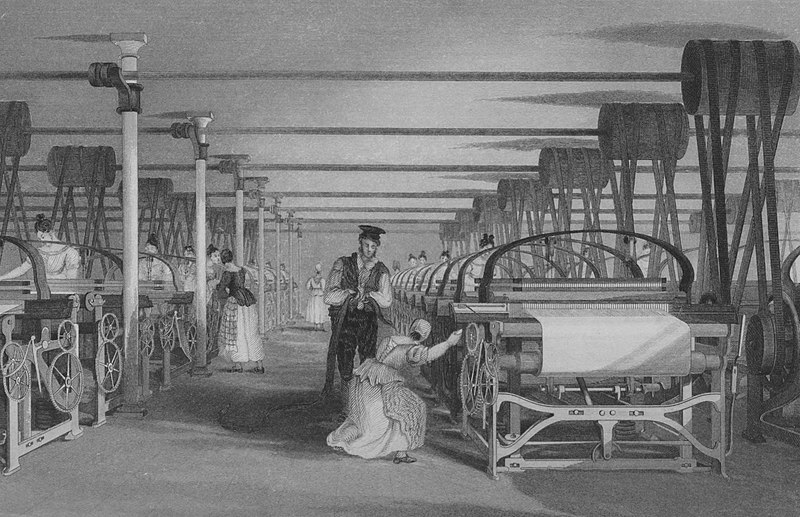
Industrial Revolution
transition to new manufacturing processes in Europe and the United States, in the 18th-19th centuries
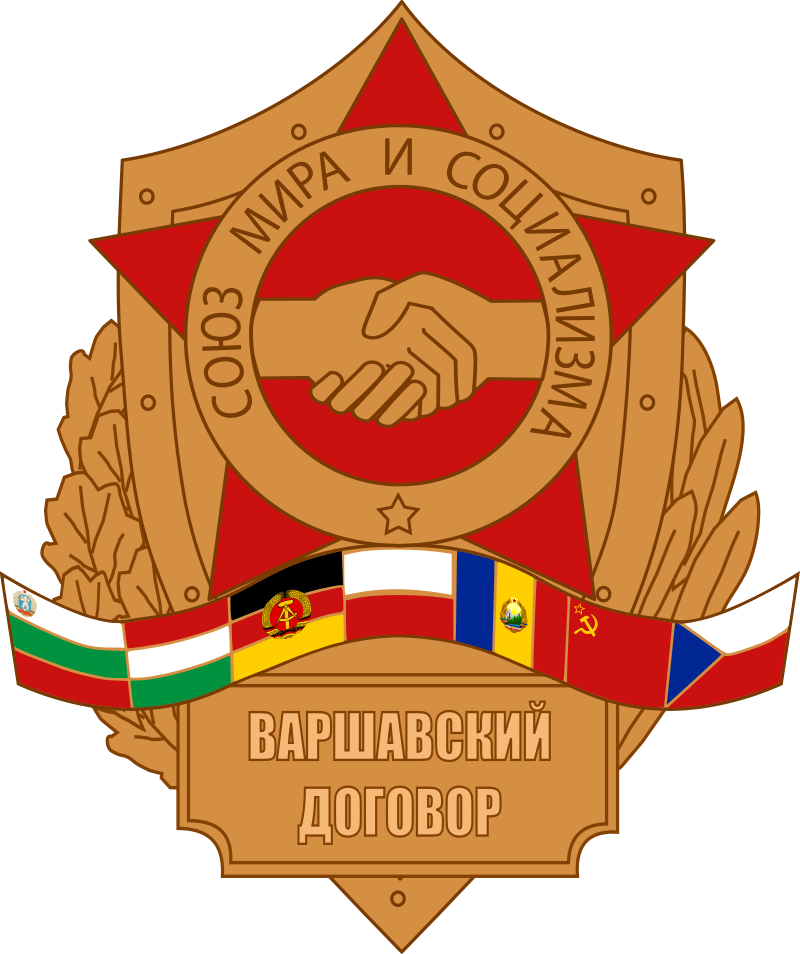
Warsaw Pact
European Eastern Military Alliance (1954 – 1991)

congress of Berlin
meeting of representatives of the major European powers in 1878

Entente Cordiale
series of agreements between the United Kingdom and France about colonies in Africa, Siam (Thailand), Newfoundland, and New Hebrides (Vanuatu)

appeasement
thumb|right| Adolf Hitler greets [[British Prime Minister Neville Chamberlain at the beginning of the Bad Godesberg meeting on 24 September 1938 in which Hitler demanded annexation of Czech border areas without delay, leading to the Godesberg Memorandum.]]

Little Entente
alliance formed in 1920 and 1921 by Czechoslovakia, Romania and Yugoslavia

Intermarium
thumb|upright=1.25|Józef Piłsudski's post-[[WWI Intermarium concept ranging from the Baltic Sea in the north to the Mediterranean and Black Seas in the south. In light green: eastern parts of Ukrainian and Belarusian lands incorporated into the Soviet Union in 1922]]
Concert of Europe
European balance of power in the 19th century
Long Depression
worldwide economic recession from 1873 to 1879

favourite
thumb|Equestrian portrait of Duke de Olivares|Equestrian portrait of the Count-Duke of Olivares by [[Diego Velázquez ()]]
Hague Congress
congress in 1948
Pax Europaea
term for post-WWII European history
Revolutions of 1820
revolutions in Europe starting in 1820

Mitteleuropa
' (), meaning Middle Europe', is one of the German terms for Central Europe. The term has acquired diverse cultural, political and historical connotations.
Quadruple Alliance
1815 alliance between Austria, Prussia, Russia, and the UK
Golden Twenties
period in the 1920s in Germany of healthy economic growth, coupled with an expansion of liberal values, and a spurt in experimental and creative efforts in the arts
Liberation of Bulgaria
result of the Bulgarian Revival
European Civil War
concept meant to describe a series of 19th and 20th century conflicts in Europe as segments of an overarching civil war within a supposed European society
Second Thirty Years' War
periodization scheme encompassing European wars from 1914 to 1945
Quintuple Alliance
1818 alliance of European nations
European Restoration
historical period of renewal in Europe
La Recherche Expedition
scientific expedition to the North Atlantic, Scandinavian islands and arctic between 1838-1840
Haemophilia in European royalty
preponderance of a genetic disorder