Category
page 1Latin historians

Tacitus
Publius Cornelius Tacitus, known simply as Tacitus ( , ; – ), was a Roman historian and politician. He is widely regarded as one of the greatest Roman historians by modern scholars.
Titus Livius
Titus Livius (; 59 BC – AD 17), known in English as Livy ( ), was a Roman historian. He wrote a monumental history of Rome and the Roman people, titled , covering the period from the earliest legends of Rome before the traditional founding in 753 BC through the reign of Augustus in Livy's own lifetime. He was on good terms with members of the Julio-Claudian dynasty and was a friend of Augustus. Livy encouraged Augustus’s young grandnephew, the future emperor Claudius, to take up the writing of history.

Claudius
Tiberius Claudius Caesar Augustus Germanicus ( ; ; 1 August 10 BC – 13 October AD 54), or Claudius, was a Roman emperor, ruling from AD 41 to 54. A member of the Julio-Claudian dynasty, Claudius was born to Drusus and Antonia Minor at Lugdunum in Roman Gaul, where his father was stationed as a military legate. He was the first Roman emperor to be born outside Italy.

Cato the Elder
Roman politician, soldier and writer (234–149 BC)

Suetonius
Gaius Suetonius Tranquillus (), commonly referred to as Suetonius ( ; – after AD 122), was a Roman historian who wrote during the early Imperial era of the Roman Empire. His most important surviving work is De vita Caesarum, commonly known in English as The Twelve Caesars, a set of biographies of 12 successive Roman rulers from Julius Caesar to Domitian. Other works by Suetonius concerned the daily life of Rome, politics, oratory, and the lives of famous writers, including poets, historians, and grammarians. A few of these books have partially survived, but many have been lost.

Sallust
Gaius Sallustius Crispus, usually anglicised as Sallust (, ; ), was a historian and politician of the Roman Republic from a plebeian family. Probably born at Amiternum in the country of the Sabines, Sallust became a partisan of Julius Caesar (100 to 44 BC), circa 50s BC. He is the earliest known Latin-language Roman historian with surviving works to his name, of which Conspiracy of Catiline on the eponymous conspiracy, The Jugurthine War on the eponymous war, and the Histories (of which only fragments survive) remain extant. As a writer, Sallust was primarily influenced by the works of the 5th

Ammianus Marcellinus
4th-century Roman historian and soldier
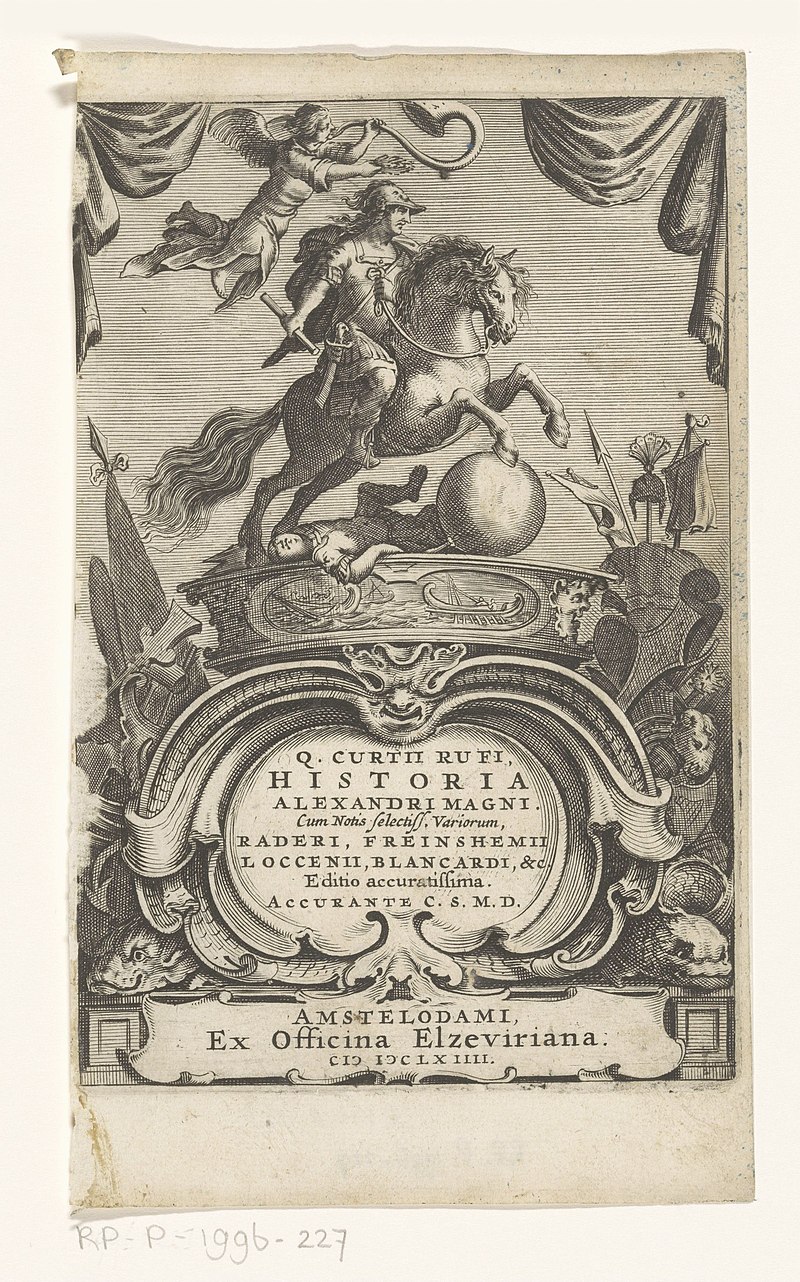
Quintus Curtius Rufus
Roman historian

Jordanes
Jordanes (; Greek: Ιορδάνης), also written as Jordanis or Jornandes, was a 6th-century Eastern Roman bureaucrat, of Gothic descent, who became a historian later in life.

Cassiodorus
Magnus Aurelius Cassiodorus Senator (c. 485 – c. 585), commonly known as Cassiodorus (), was a Roman statesman, scholar, and writer who served in the administration of Theodoric the Great, king of the Ostrogoths. Senator was part of his surname, not his rank. In his later years, he devoted himself to Christian learning and founded the Vivarium monastery, where he worked extensively during the final decades of his life.

Seneca the Elder
Roman scholar, writer and historian (54 BC-c.39 AD)

Marcus Velleius Paterculus
Roman historian, soldier and senator (c.19 BC - c. AD 31)

Justin
Roman historian, 2nd century

Eutropius
4th century Roman historian and official

Aurelius Victor
4th century Roman historian and politician

Valerius Maximus
early 1st century AD Roman professional rhetorician, historian and author

Silius Italicus
1st-century AD Roman senator, orator and poet (26–101)
Gnaeus Pompeius Trogus
Gallo-Roman historian who flourished during the reign of the emperor Augustus

Sulpicius Severus
Christian writer and historian and native of Aquitania (c. 363 – c. 425)

Gaius Asinius Pollio
Roman politician, historian and writer (75 BC–AD 4)

Quintus Fabius Pictor
3rd-century BC Roman historian
Hydatius
Hydatius, also spelled Idacius () was a late Western Roman writer and clergyman. The bishop of Aquae Flaviae in the Roman province of Gallaecia (almost certainly the modern Chaves, Portugal, in the modern district of Vila Real), he was the author of a chronicle of his own times that provides us with our best evidence for the history of Hispania in the 5th century.
Festus
4th-century Roman historian
Asconius Pedianus
Roman historian (BC 9 - AD 76)
Lucius Calpurnius Piso Frugi
Roman politician, historian and soldier, consul in 133 BCE
Gaius Licinius Mucianus
Roman writer, politician and soldier
Quintus Claudius Quadrigarius
1st century BC Roman historian and writer
Aulus Cremutius Cordus
1st-century Roman writer
Lucius Coelius Antipater
2nd-century Roman jurist and historian
Marius Maximus
Roman consul and historian (c.160 – c.230)
Lucius Cornelius Sisenna
Roman historian
Anonymus Valesianus
literary work
Gaius Sempronius Tuditanus
Roman consul in 129 BCE
Marcus Cluvius Rufus
1st century Roman consul, senator, governor, and historian
Lucius Cincius Alimentus
Roman politician, historian and writer
Aufidius Bassus
Roman historian who lived in the reign of Tiberius
Valerius Antias
1st-century BC Roman historian
Granius Licinianus
2nd-century Roman historian
Fenestella
Fenestella (c. 52 BC – c. AD 19) was a Roman historian and encyclopaedic writer.
Sulpicius Alexander
Roman historian
Lucius Cassius Hemina
Roman historian

Sempronius Asellio
Roman historian

Marcus Servilius Nonianus
Roman historian and senator (died 59 AD)
Lucius Lucceius
Ancient Roman orator and historian
Fabius Rusticus
1st century Roman historian
annalists
Annalists (from Latin annus, year; hence annales, sc. libri, annual records), were a class of writers on Roman history, the period of whose literary activity lasted from the time of the Second Punic War to that of Sulla. They wrote the history of Rome from the earliest times (in most cases) down to their own days, the events of which were treated in much greater detail. Annalists were different from historians, in that an annalist was more likely to just record events for reference purposes, rather than offering their own opinions of events. There is, however, some overlap between the two cate
Pseudo-Philo
Pseudo-Philo is the name commonly used for the unknown, anonymous author of the Biblical Antiquities. This text is also commonly known today under the Latin title Liber Antiquitatum Biblicarum (Book of Biblical Antiquities), a title that is not found in the Latin manuscripts. Although probably originally written in Hebrew, it is preserved today only through a Latin translation found in 18 complete and 3 fragmentary manuscripts that date between the eleventh and fifteenth centuries CE. In addition, material paralleling that in the Biblical Antiquities is also found in the Chronicles of Jerahmee
Gnaeus Gellius
2nd century BC Roman historian
Titus Labienus
Roman historian
Gaius Clodius Licinus
Roman suffect consul 4 AD
Acholius
Acholius held the office of Magister Admissionum in the reign of Valerian (253—260 AD). One of his works was titled Acta, and contained an account of the history of Aurelian. It was in nine books at least. He also wrote a life of Alexander Severus.
Marcus Junius Gracchanus
ancient Roman writer