Category
page 1Latin-script ligatures

W/w
W, or w, is the twenty-third letter of the Latin alphabet, used in the modern English alphabet, the alphabets of other western European languages and others worldwide. Its name in English is double-u, plural double-ues.

exclamation mark
punctuation mark (!) to show strong feelings
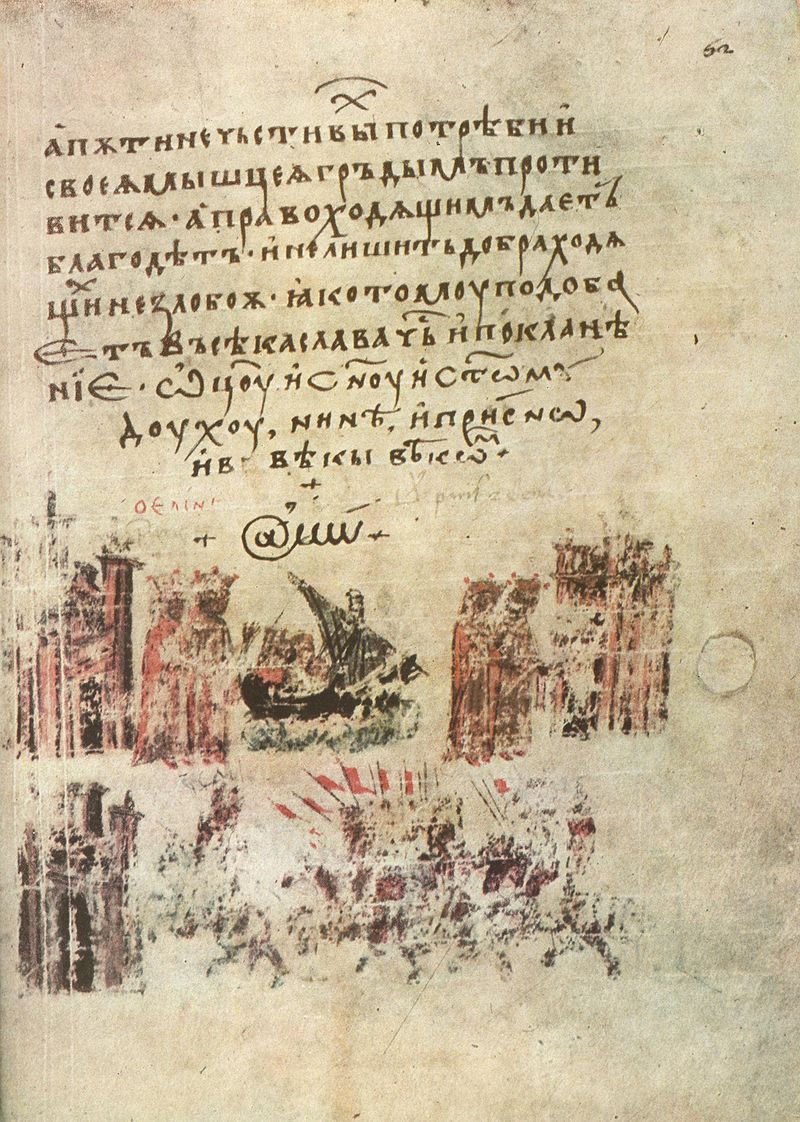
@
at sign, typographic symbol used as an abbreviation, traditionally in commerce for an old measurement unit or for unitary prices, or more recently in email addresses or to indicate a location

ß

Æ
class=skin-invert-image|thumb|Æ in Helvetica and [[Bodoni]]
class=skin-invert-image|thumb|Æ alone and in context

ligature
glyph resulting from the orthographic combination or calligraphic ornementation of two or more basic letter forms into a single typographic or handwritten character

&
The ampersand, also known as the and sign, is the logogram , representing the conjunction "and". It originated as a ligature of the word (Latin for ).

number sign
typographic symbol "#"
dollar sign
monetary symbol used in many national currencies

Œ
class=skin-invert-image|thumb|200px|The word onomatopoeia with the œ ligature
Œ (minuscule: œ), in English known as ethel or œthel (also spelt ēðel or odal), is a Latin alphabet grapheme, a ligature of o and e. In medieval and early modern Latin, it was used in borrowings from Greek that originally contained the diphthong οι, and in a few non-Greek words. These usages continue in English and French. In French, the words that were borrowed from Latin and contained the Latin diphthong written as œ now generally have é or è; but œ is still used in some non-learned French words, representing open-

interrobang
The interrobang (), also known as the interabang (often rendered as ?!, !?, ?!?, ?!!, !??, or !?!), is an unconventional punctuation mark intended to combine the functions of the question mark (also known as the interrogative point) and the exclamation mark (also known in the jargon of printers and programmers as a "bang"). The glyph is a ligature of these two marks and was first proposed in 1962 by Martin K. Speckter.
section sign
character; ligature of two S’s
IJ
Latin-script digraph
Ȣ/ȣ
letter or ligature of the Latin alphabet, derived from a similar Greek ligature
ȸ
Latin letter used in phonetics, typographic ligature of D and B
ȹ
Latin letter used in phonetics, typographic ligature of P and Q