Category
page 1Law of war

war crime
individual act constituting a serious violation of the laws of war

casus belli
('occasion for war') is an act or event that provokes or is used to justify war

Kellogg-Briand pact
1928 international agreement

capitulation
form of surrender
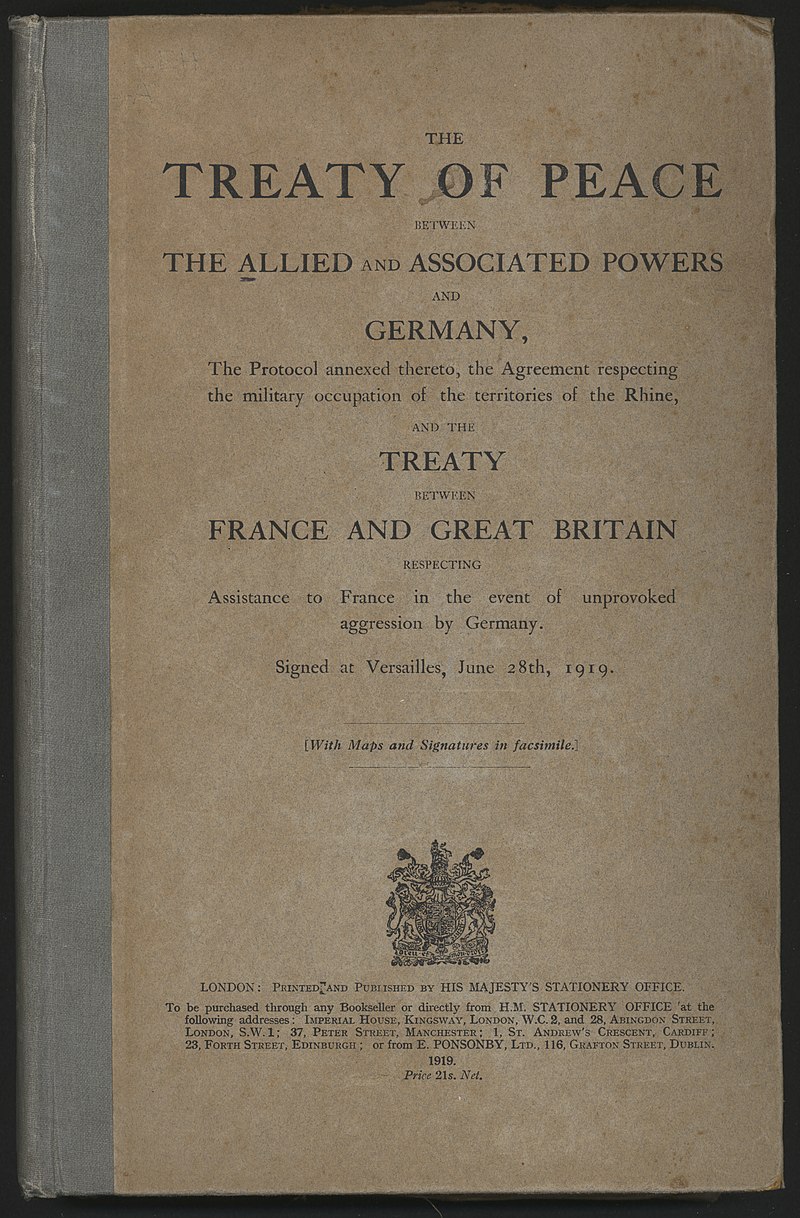
peace treaty
agreement between two or more hostile parties which formally ends a state of war
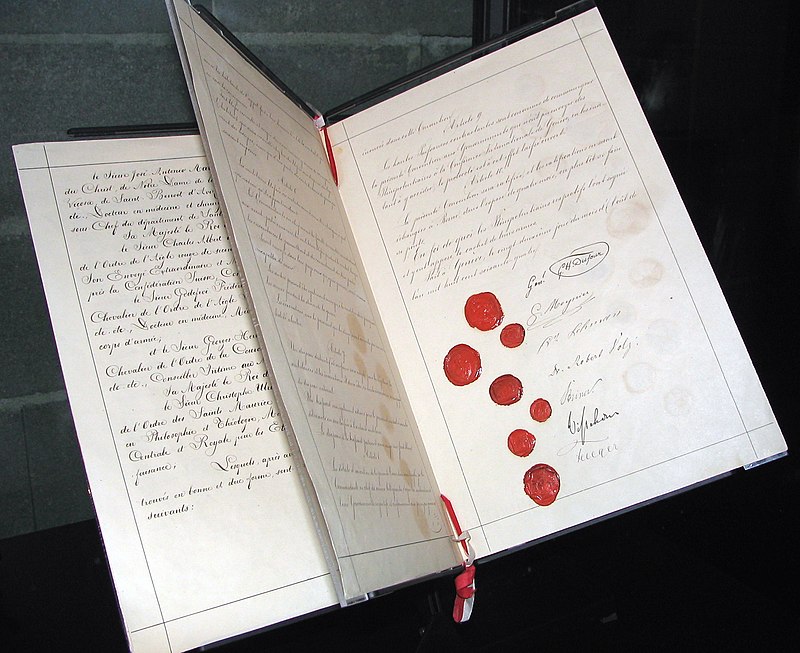
law of war
international laws concerning wars

civilian
thumb|Ukrainian children in a shelter in Kropyvnytskyi, 1 March 2022, during the [[Russian invasion of Ukraine]]
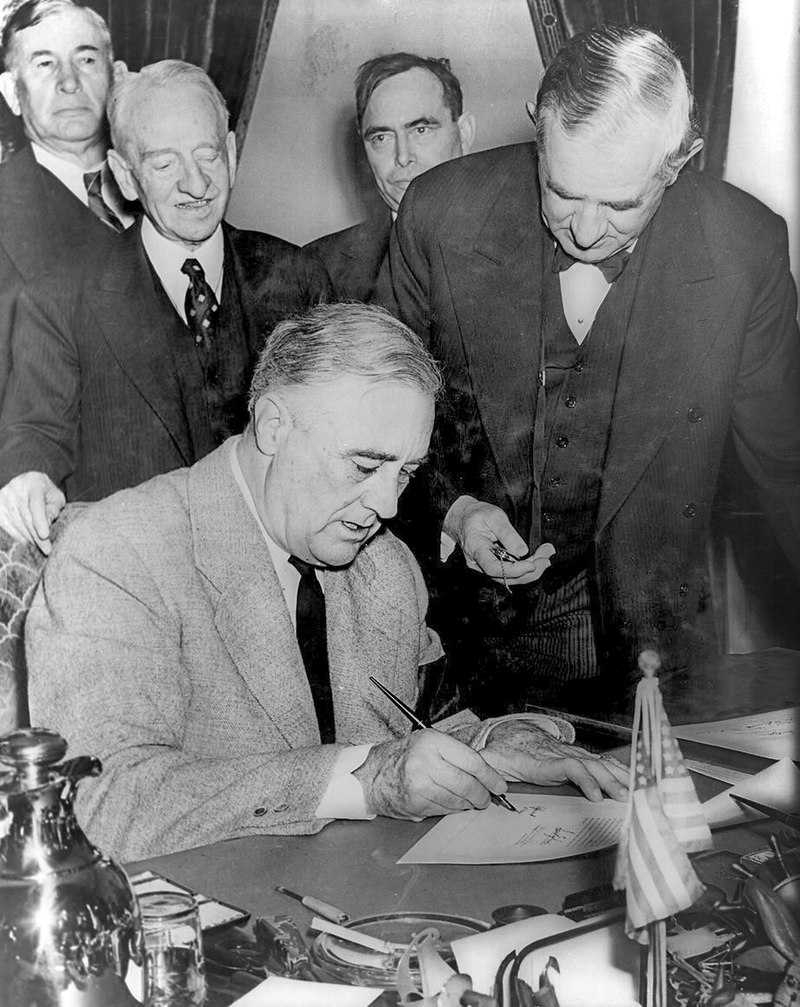
declaration of war
formal announcement by which one state goes to war against another
false flag
act with the intent of disguising the actual source of responsibility and pinning blame on a second party
white flag
symbol with different meanings throughout history and depending on the locale
open city
in war, a city in which one side abandons all defensive efforts
surrender
cessation of fighting by the losing party
.jpg)
combatant
thumb|Afghan soldiers on patrol in 2011, during the War in Afghanistan (2001–2021)|War in Afghanistan. As adult armed personnel in active service with a military force, they would legally be considered combatants and therefore could launch targeted attacks against, or be subject to targeted attacks by, opposing armed forces.
Combatant is the legal status of a person entitled to directly participate in hostilities during an armed conflict, and may be intentionally targeted by a belligerent for their participation in the armed conflict under the law of war. Combatants are not afforded immunity f
war trophy
items captured during battle used to commemorate military victories
human shield
deliberate placement of non-combatants in or around combat targets to deter an enemy from attacking those targets
preventive war
war initiated to prevent another party from attacking
summary execution
execution immediately after being accused of a crime, without a fair trial; usually understood to mean capture, accusation, and execution all conducted during a very short span of time
reprisal
A reprisal is a limited and deliberate violation of international law to punish another sovereign state that has already broken them. Since the 1977 Additional Protocol I to the Geneva Conventions (AP 1), reprisals in the laws of war are extremely limited, as they commonly breach the rights of non-combatants.
targeted killing
form of assassination carried by governments against their perceived enemies
rules of engagement
guidelines for military force
Casus foederis
"case for the alliance" diplomatic term for where the terms of an alliance come into play

Landsturm
thumb|White Landsturm in German East Africa, [[World War I]]
In various European countries, the term land storm (, Dutch and , roughly "land assault") was historically used to refer to militia or military units composed of conscripts who were not in the regular army. It is particularly associated with Prussia, Germany, Austria-Hungary, Sweden, and the Netherlands.
Ukraine v. Russian Federation (2022)
International Court of Justice pending case
separate peace
in the context of a conflict with some of the belligerents allied, treaty that brokers peace with one or more of the allies but not others
Lieber Code
safe conduct
situation in time of international conflict or war where one state, a party to such conflict, issues to a person, a pass or document to allow the enemy alien to traverse its territory
lawfare
Lawfare is the use of legal systems and institutions to affect foreign or domestic affairs, as a more peaceful and rational alternative, or as a less benign adjunct, to warfare.
penal military unit
military formations consisting of convicts mobilized for military service
preemptive war
war that is initiated in an attempt to deal with an expected attack before that attack materializes
superior orders
plea in a court of law that a person should not be held guilty for actions which were ordered by a superior officer
unlawful combatant
person who directly engages in armed conflict in violation of the laws of war
command responsibility
doctrine of hierarchical accountability
Aman
islamic term for offering security or pardon to enemies
.jpg)
parlimentaire
thumb|A blindfolded American parlimentaire led by two German soldiers (November 1944)
A parlimentaire or parlementaire is defined by the U.S. Department of Defense as "an agent employed by a commander of belligerent forces in the field to go in person within the enemy lines for the purpose of communicating or negotiating openly and directly with the enemy commander".

franc-tireur
thumb|upright=1.4|Capture of a Franc-tireur, by Carl Johann Lasch

debellatio
thumb|right|Field Marshal Wilhelm Keitel signing the unconditional surrender of the German Wehrmacht.
The term ' or "debellation'" (Latin 'defeating, or the act of conquering or subduing', literally, 'warring (the enemy) down', from Latin 'war') describes a situation in which an interstate war ends not with a peace treaty nor a ceasefire, but with the catastrophic state collapse of the losing party as a result of comprehensive military defeat, typically resulting in the disintegration of the institutions capable of issuing an authoritative instrument of surrender.
neutral powers during World War II
sovereign states which remained neutral during World War II

Jean Pictet
Red Cross international lawyer (1914-2002)
civilian casualty
civilian killed, injured, or imprisoned by non-civilians
Islamic military jurisprudence
islamic laws of war
Angary
The right of angary is the right of a belligerent (most commonly, a government or other party in conflict) to seize and use, for the purposes of war or to prevent the enemy from doing so, any kind of property on belligerent territory, including what may belong to subjects or citizens of a neutral state.
Cluster Munition Coalition
organization
Honours of war
Rights of a defeated army
Musta'min
Mustaʾmīn or '''Musta'man' () is a historical Islamic term for a non-Muslim foreigner temporarily residing in Muslim lands with aman, or guarantee of short-term safe-conduct (aman mu'aqqat''), affording the protected status of dhimmi (non-Muslim subjects permanently living in a Muslim-ruled land) without the payment of jizya.
postal censorship
Inspection or examination of mail
Hudna
A hudna (from the Arabic meaning "calm" or "quiet") is a truce or armistice. It is sometimes translated as "cease-fire". In his medieval dictionary of classical Arabic, the Lisan al-Arab, Ibn Manzur defined it as:
police action
military action taken without a declaration of war
declarations of war during World War I
Wikimedia list article
Shtrafbat
Shtrafbats (, ) were Soviet penal battalions that fought on the Eastern Front in World War II.
Cáin Adomnáin
697 prohibition against war crimes in Ireland
declarations of war during World War II
timeline of formal declarations of war from 1939 to 1945
amnesty law
law that provides immunity for past crimes
World Tribunal on Iraq
people's court set up to investigate the 2003 invasion of Iraq
protective sign
symbols to be used during an armed conflict to mark persons and objects under the protection of various treaties of international humanitarian law
self-inflicted wound
act of harming oneself where there are no underlying psychological problems
War and environmental law
Caroline test
19th-century formulation of customary international law
extraterritorial operation
legal or military operations conducted within a foreign country
military necessity
principle of international law of war
Lord Eliot Convention
1835 treaty in the First Carlist War