Category
page 1Left-wing anti-communism
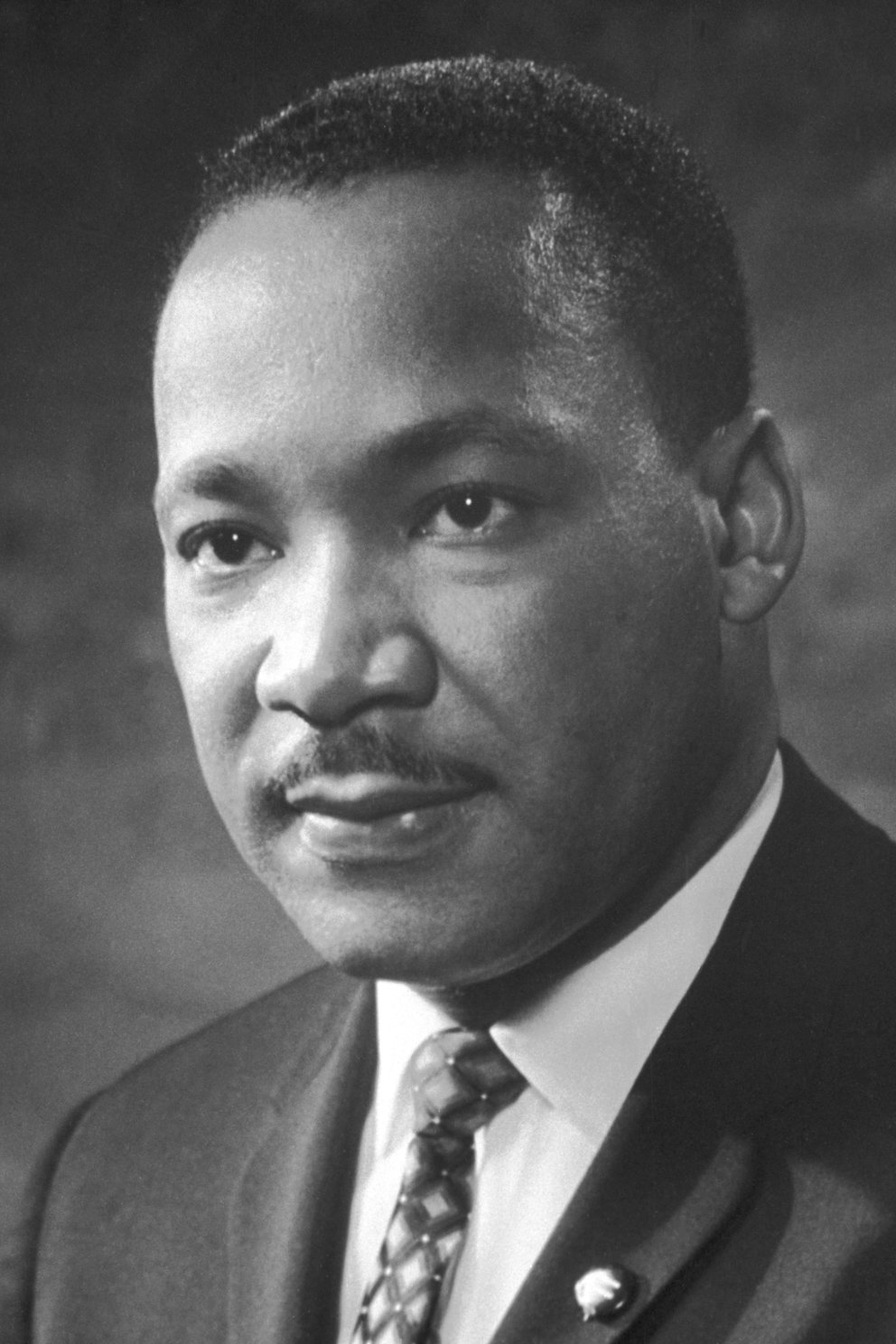
Martin Luther King Jr.
Martin Luther King Jr. was an American civil rights activist and Baptist minister who was a prominent leader of the civil rights movement from 1955 until his assassination in 1968. He advanced civil rights for people of color in the United States through the use of nonviolent resistance and civil disobedience against Jim Crow laws and other forms of legalized discrimination, which most commonly affected African Americans.
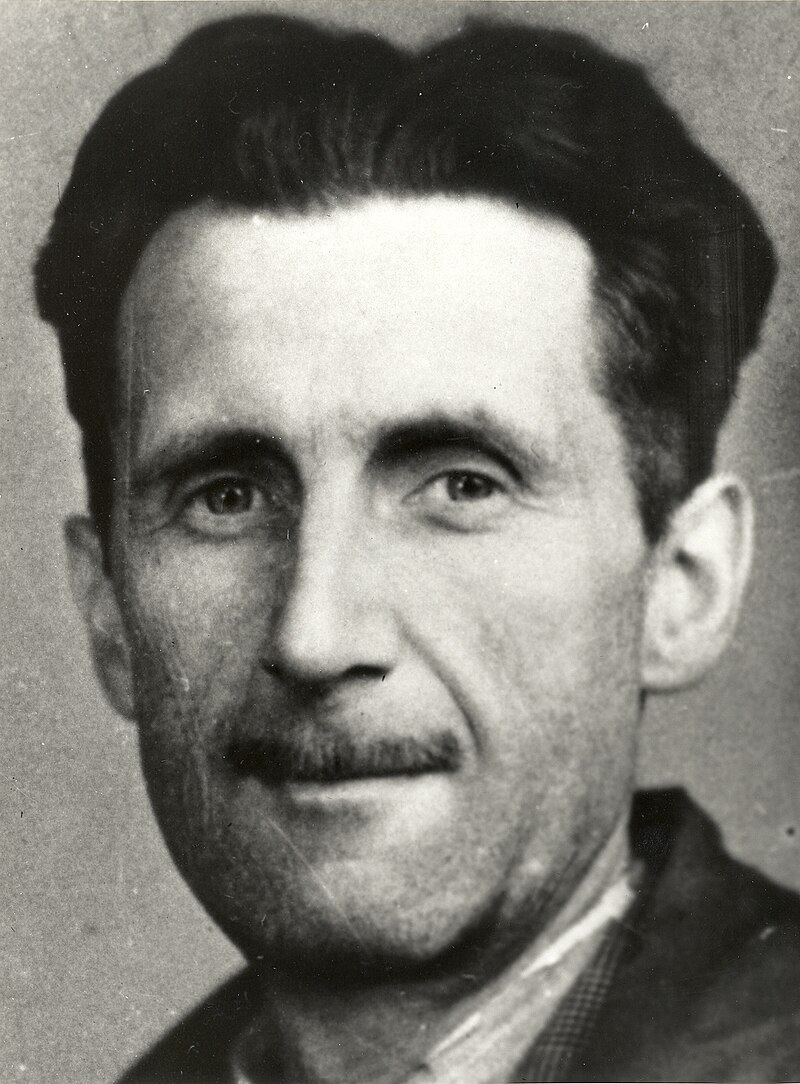
George Orwell
British writer and journalist (1903–1950)

Bertrand Russell
British philosopher and logician (1872–1970)

Muammar Gaddafi
Muammar Muhammad Abu Minyar al-Gaddafi was a Libyan military officer, revolutionary, politician, and political theorist who ruled Libya from 1969 until his overthrow by Libyan rebel forces in 2011 during the First Libyan Civil War. He came to power through a bloodless military coup, first becoming Revolutionary Chairman of the Libyan Arab Republic from 1969 to 1977, Secretary General of the General People's Congress from 1977 to 1979, and then the Brotherly Leader of the Great Socialist People's Libyan Arab Jamahiriya from 1979 to 2011. Initially ideologically committed to Arab nationalism and Arab socialism, Gaddafi later ruled according to his own Third International Theory.

Gamal Abdel Nasser
President of Egypt from 1956 to 1970

Clement Attlee
Prime Minister of the United Kingdom from 1945 to 1951 (1883–1967)

Friedrich Ebert
German politician, president of Germany (1871-1925)

Arthur Koestler
Hungarian-British author and journalist (1905–1983)

Mohammad Mosaddegh
Mohammad Mosaddegh was an Iranian politician, author and lawyer who served as the prime minister of Iran from 1951 to 1953, elected by the 16th Majlis. He was elected to the Iranian parliament in 1923 and served through a contentious 1952 election into the 17th Iranian Majlis, until his government was overthrown in the 1953 Iranian coup d'état aided by the intelligence agencies of the United Kingdom (MI6) and the United States (CIA), led by Kermit Roosevelt Jr. As prime minister, he implemented policies that came to be known as Mosaddeghism.
Democratic Progressive Party
Taiwanese political party

Ignazio Silone
Italian writer and politician (1900-1978)
Taiwan Statebuilding Party
Taiwanese political party
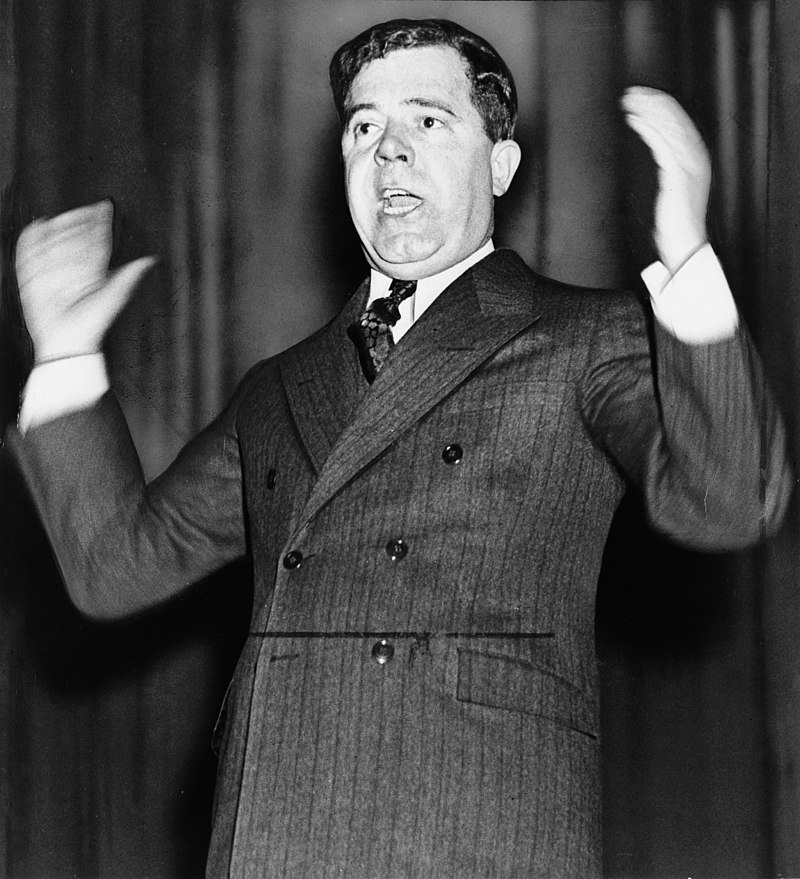
Huey Long
American politician, Governor of Louisiana, and United States Senator (1893-1935)

Kurt Schumacher
German politician (1895-1952)

Nasserism
Nasserism () is an Arab nationalist and Arab socialist political ideology based on the thinking of Gamal Abdel Nasser, one of the two principal leaders of the Egyptian Revolution of 1952, and Egypt's second president. Spanning the domestic and international spheres, it combines elements of Arab socialism, republicanism, secularism, nationalism, anti-imperialism, developing world solidarity, Pan-Arabism, and international non-alignment. According to Mohamed Hassanein Heikal, Nasserism symbolised "the direction of liberation, socialist transformation, the people's control of their own resources,
Norman Thomas
American Presbyterian minister and socialist (1884-1968)
Sidney Hook
American philosopher (1902–1989)
Burma Socialist Programme Party
former ruling political party in the Union of Burma (1962-1988)
Reichsbanner Schwarz-Rot-Gold
German political orginasation

neosocialism
Neosocialism was a political faction that existed in France and Belgium during the 1930s and which included several revisionist tendencies in the French Section of the Workers' International (SFIO). During the 1930s, the faction gradually distanced itself from revolutionary Marxism and reformist socialism while stopping short of merging into the traditional class-collaborative movement represented by the Radical-Socialist Party. Instead, they advocated a revolution from above, which they termed as a constructive revolution. In France, where they had been influenced by the Belgians, this brough
Marcel Déat
French socialist turned fascist politician (1894–1955)
Iron Front
German paramilitary organization
Three Arrows
socialist political symbol
Sudanese Socialist Union
former Sudanese political party
Democratic Socialist Party
moderate social-democratic party that existed in Japan from 1960 to 1994

Blutmai
Blutmai (, ) was an outbreak of political violence that occurred in Berlin from 1 to 3 May 1929.
Social Democrats, USA
American social democratic political organization
Michael Harrington
American political writer (1928-1989)
Frankfurt Declaration
set of principles issued in 1951 by the Socialist International, condemning capitalism