Category
page 1Leotiomycetes genera

Monilinia
Monilinia is a genus of fungi in the family Sclerotiniaceae.
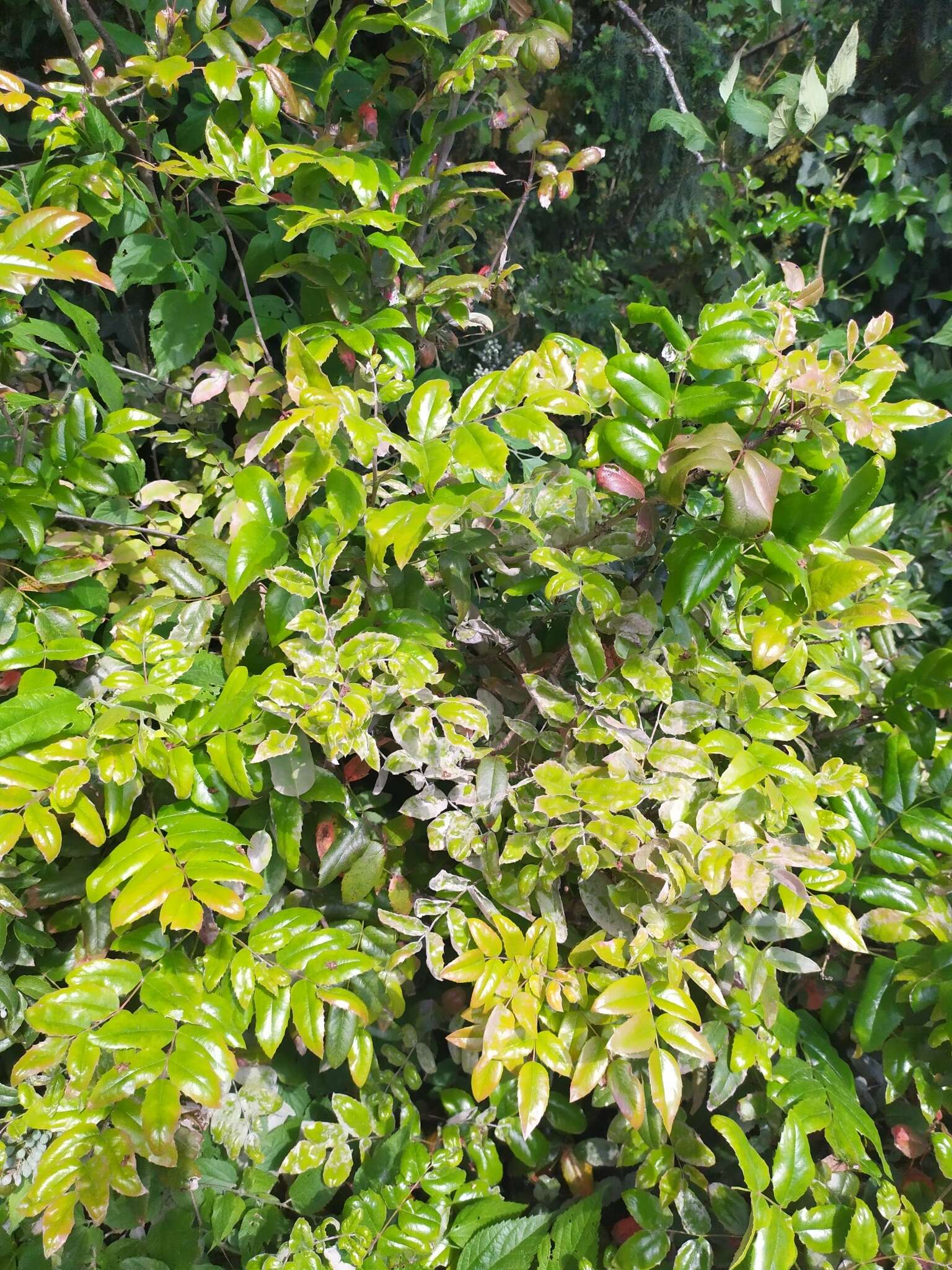
Erysiphe
Erysiphe is a genus of plant pathogenic fungi in the family Erysiphaceae. The species in this genus are known for causing powdery mildew.

Dermateaceae
The Dermateaceae is a family of cup fungi in the order Helotiales. Most species in this family are plant pathogens but some are saprobes .
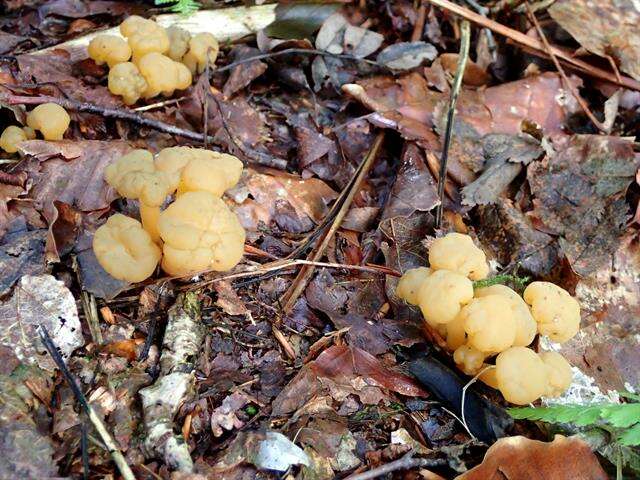
Leotia
Leotia is a genus of cup fungi of the division Ascomycota. Leotia species are globally distributed, and are believed to be ectomycorrhizal. They are commonly known as jelly babies because of the gelatinous texture of their fruiting bodies.
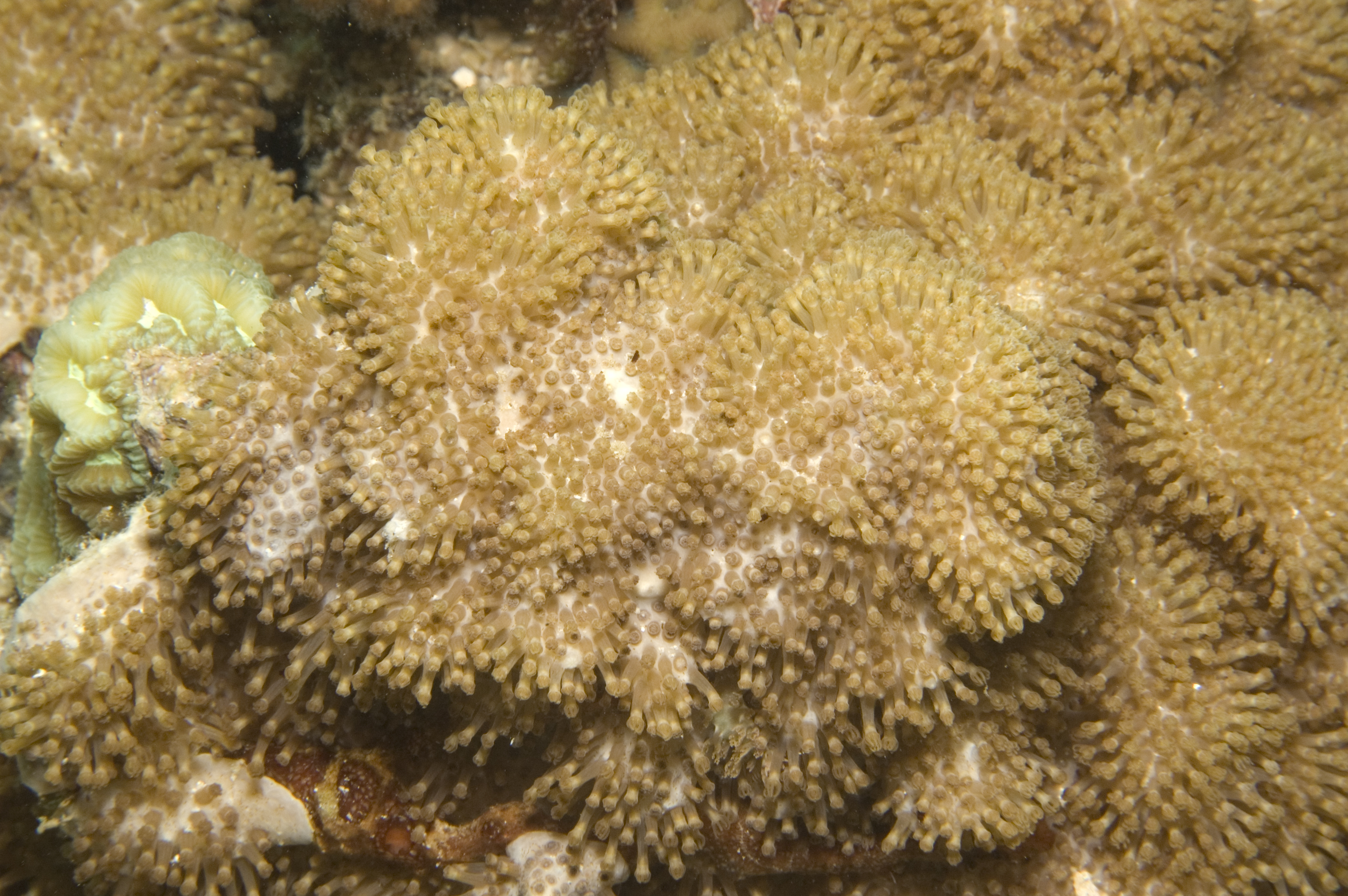
Rhytisma
genus of fungi
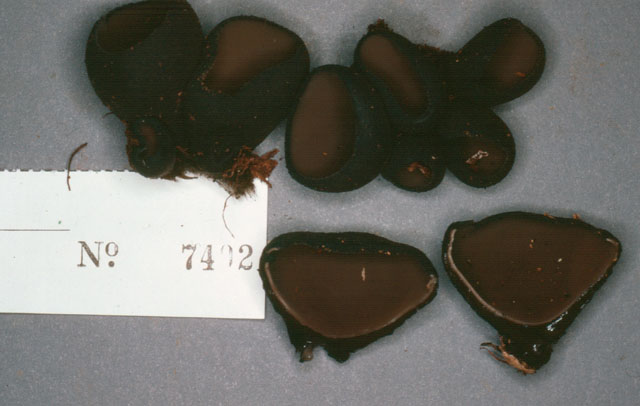
Bulgaria
genus of fungi
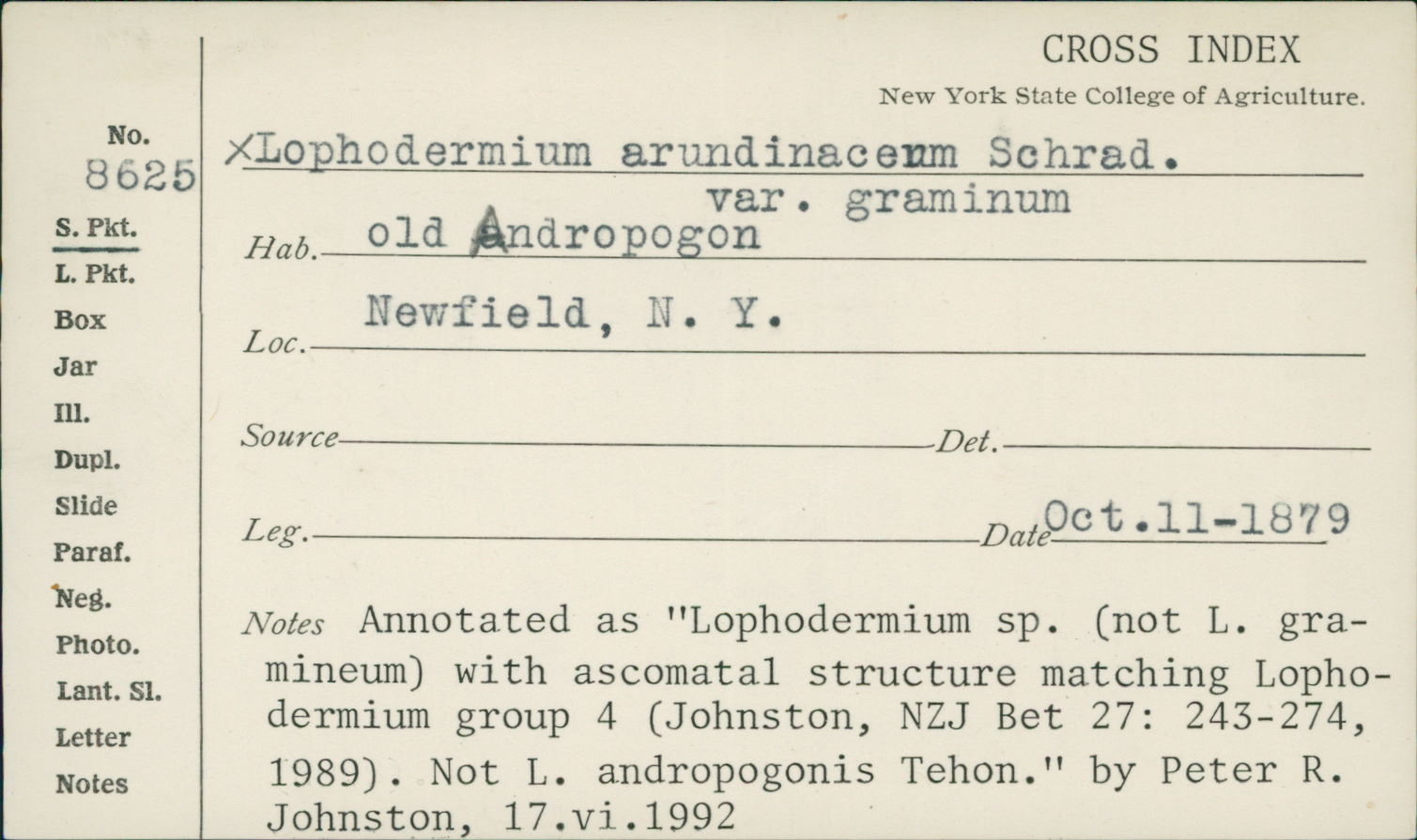
Lophodermium
Lophodermium is a genus of fungi within the family Rhytismataceae. The genus contains 145 species and has a global distribution. Species of this genus are usually observed producing zone lines, conidiomata and ascomata on dead fallen leaves, but at least some are known to colonize living leaves. In many cases they then live inside the colonized leaf as a symptomless endobiont, where they are regarded as detritivores utilising dead plant matter. In a few cases they may kill all or part of the leaf prematurely, and there is a substantial literature dealing with those species as plant pathogens.

Cyttaria
thumb|Cyttaria sp. - MHNT
Cyttaria (From Greek Kyttaros, meaning "cell of a honeycomb") is a genus of ascomycete fungi. About 10 species belong to Cyttaria, found in South America, Australia and New Zealand, which are obligatory parasites of southern beech trees from the genus Nothofagus. The "llao llao" fungus Cyttaria hariotii, one of the most common fungi in Andean-Patagonian forests, has been shown to harbor the yeast Saccharomyces eubayanus, which may be source of the lager yeast S. pastorianus cold-tolerance.

Microglossum
Microglossum is a genus of fungi in the family Leotiaceae. Ascocarps (fruit bodies) occur in soil and resemble earth tongues, but are microscopically distinct. Microglossum atropurpureum, a species typical of waxcap grassland in Europe, is of global conservation concern and is listed as "vulnerable" on the IUCN Red List of Threatened Species.
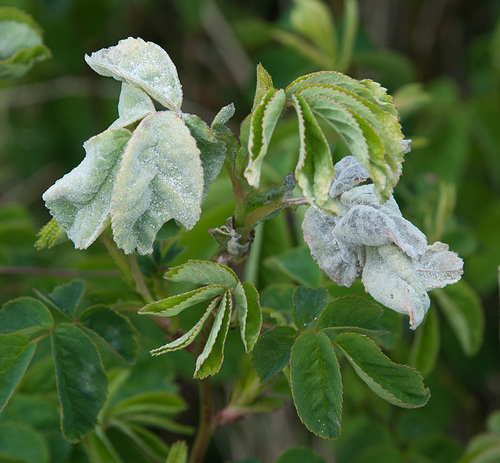
Podosphaera
Podosphaera is a genus of obligate biotrophic fungi in the family Erysiphaceae (powdery mildews). It can be found on all continents except Antarctica, infecting a large number of different genera.
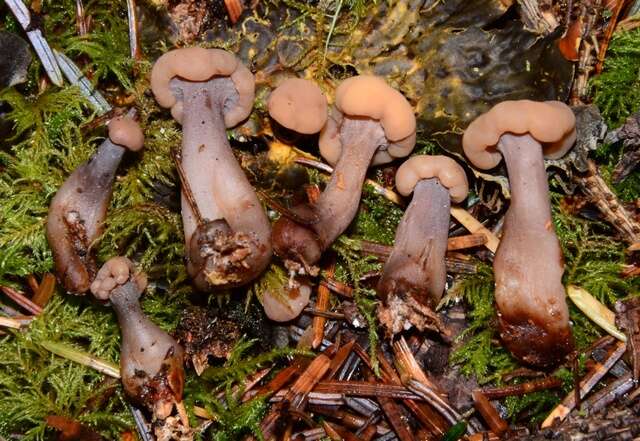
Cudonia
Cudonia is a genus of fungi within the family Cudoniaceae. The genus is widespread in temperate regions and its species are generally of unknown edibility. Cudonia circinans is poisonous and possibly deadly.
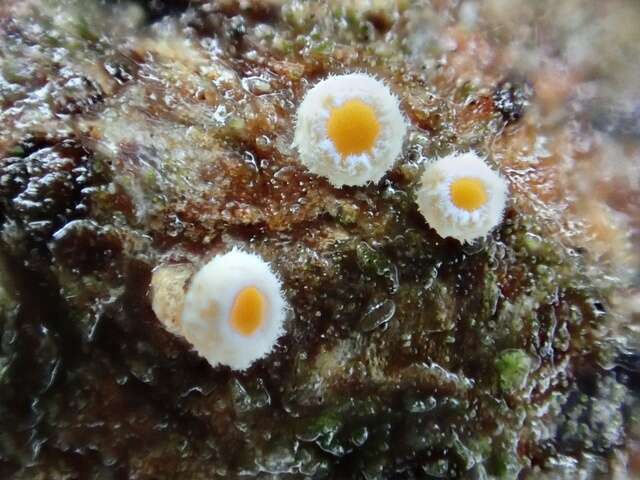
Lachnellula
Lachnellula is a genus of fungi in the family Lachnaceae. The genus contains 40 species. Lachnellula was circumscribed in 1884 by Petter Karsten, with Lachnellula chrysophthalma assigned as the type species.
Oidium
genus of fungi
Colpoma
Colpoma is a genus of fungi within the Rhytismataceae family. The genus contains 14 species.
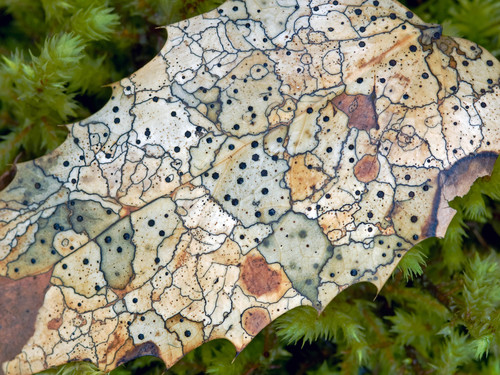
Coccomyces
Coccomyces is a genus of ascomycete fungi in the family Rhytismataceae.
Cylindrosporium
Cylindrosporium is a genus of parasitic fungi. The genus includes several plant pathogens that cause leaf spot.

Phyllactinia
Phyllactinia is a genus of plant pathogenic fungi in the family Erysiphaceae (powdery mildews).
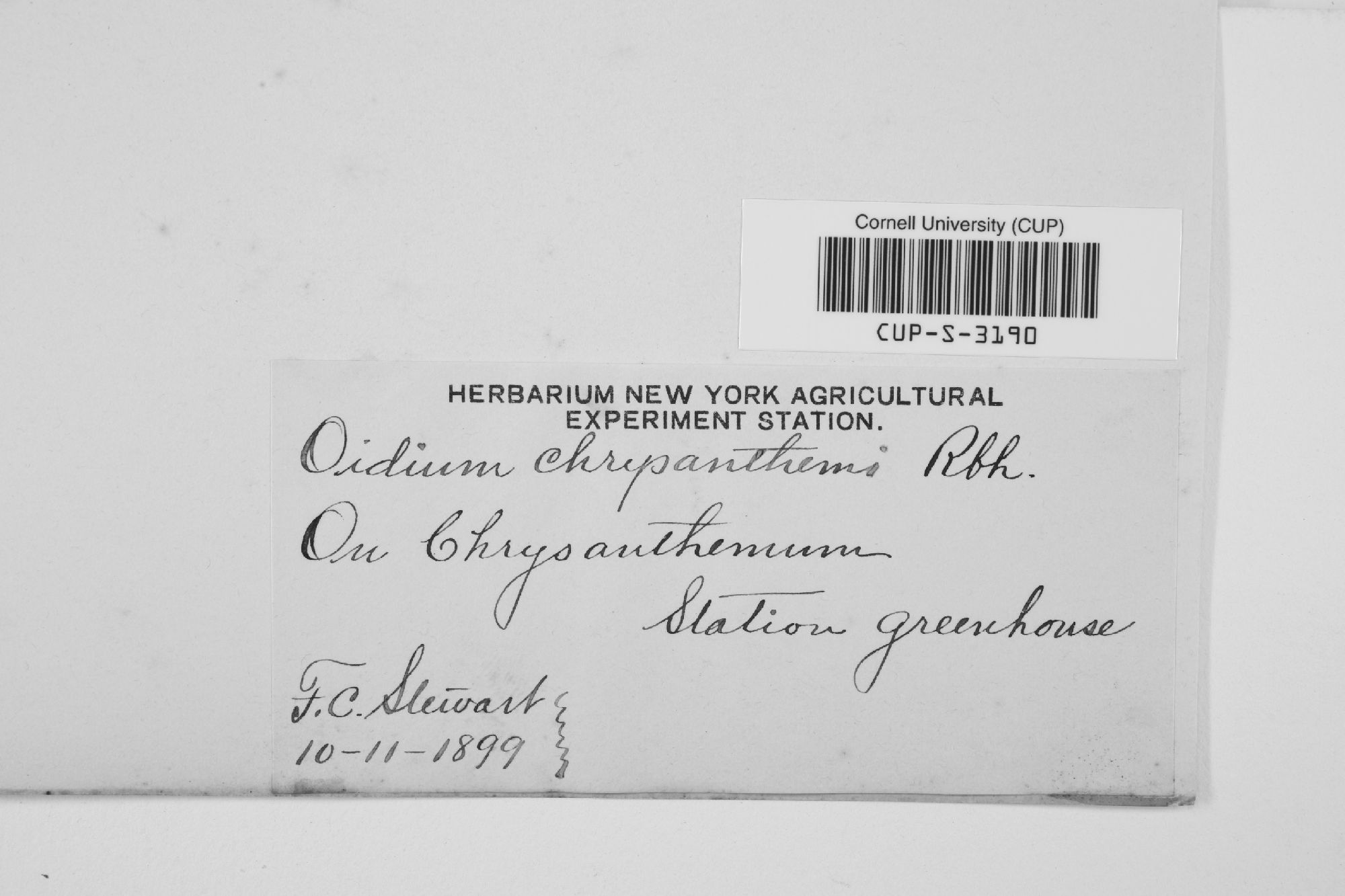
Golovinomyces
Golovinomyces is a genus of fungi in the family Erysiphaceae. It has 66 species. Many of the species cause powdery mildew. Golovinomyces was originally circumscribed in 1978 by Uwe Braun as a section of genus Erysiphe. It was promoted to distinct genus status in 1988.
Ascodichaena
Ascodichaena is a genus of fungi in the family Ascodichaenaceae. The genus was circumscribed in 1977.

Ionomidotis
Ionomidotis is a genus of fungi belonging to the family Cordieritidaceae.
Polydesmia
Polydesmia is a genus of fungi within the family Hyaloscyphaceae. The genus contains 7 species.
Dactylellina
Dactylellina is a genus mitosporic fungi in the family Orbiliaceae. There are 16 species.

Unguiculariopsis
Unguiculariopsis is a genus of lichenicolous fungi in the family Cordieritidaceae. It has 29 species.

Allophylaria
Allophylaria is a genus of fungi in the family Helotiaceae. , the nomenclatural database Index Fungorum lists 14 species in the genus.

Diplocarpa
Diplocarpa is a genus of fungi in the family Dermateaceae. It contains the single species Diplocarpa curreyana, described as new to science by English botanist George Edward Massee in 1895.

Propolis
genus of fungi
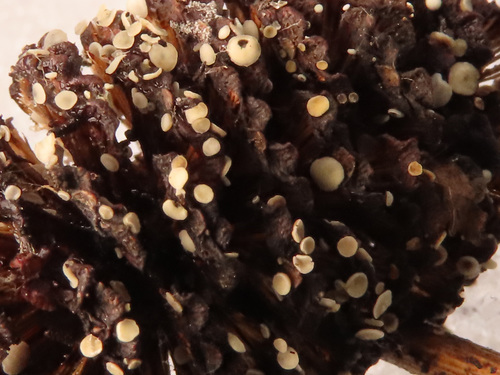
Calycellina
Calycellina is a genus of fungi in the family Hyaloscyphaceae. The genus contains about 43 species.
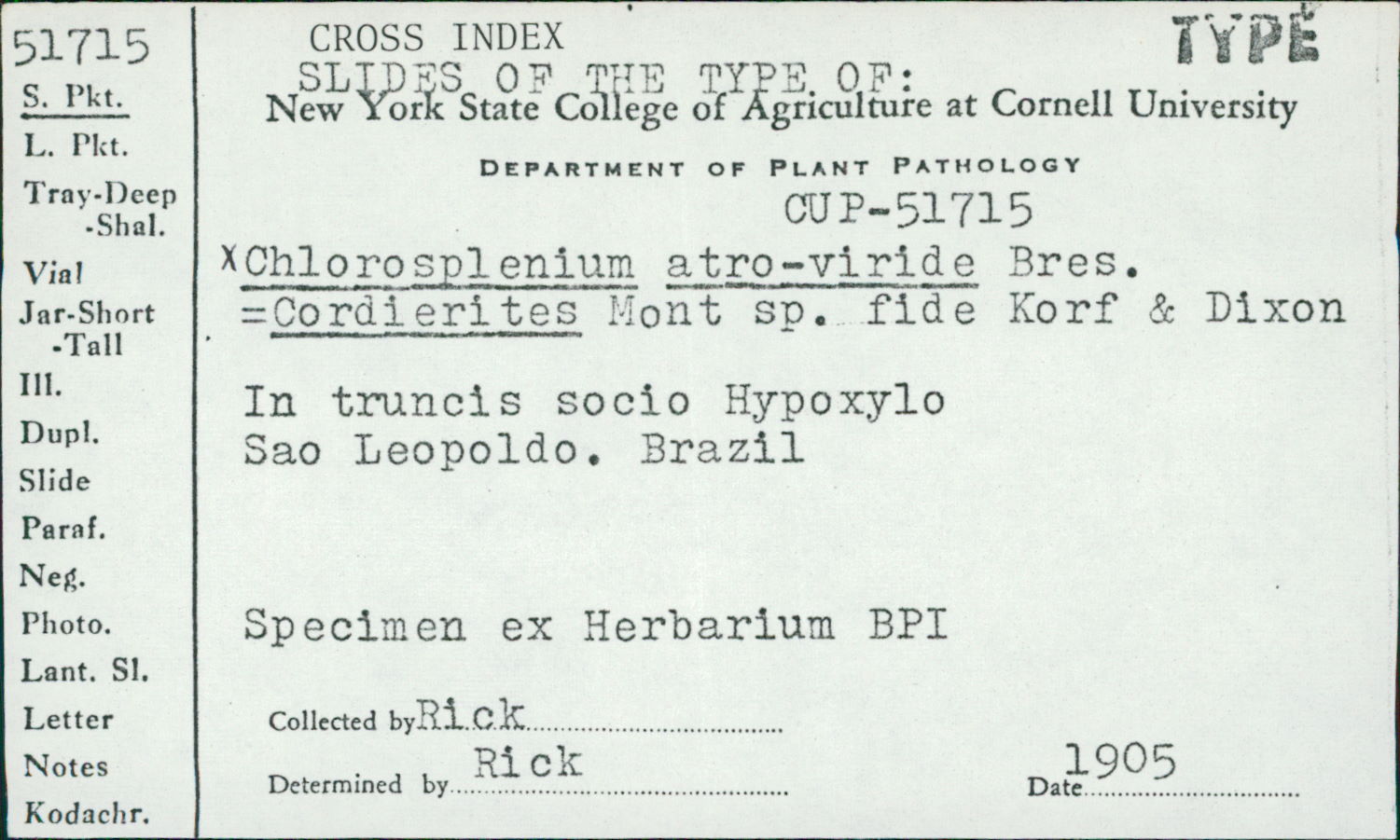
Cordierites
Cordierites is a genus of fungi in the family Cordieritidaceae.
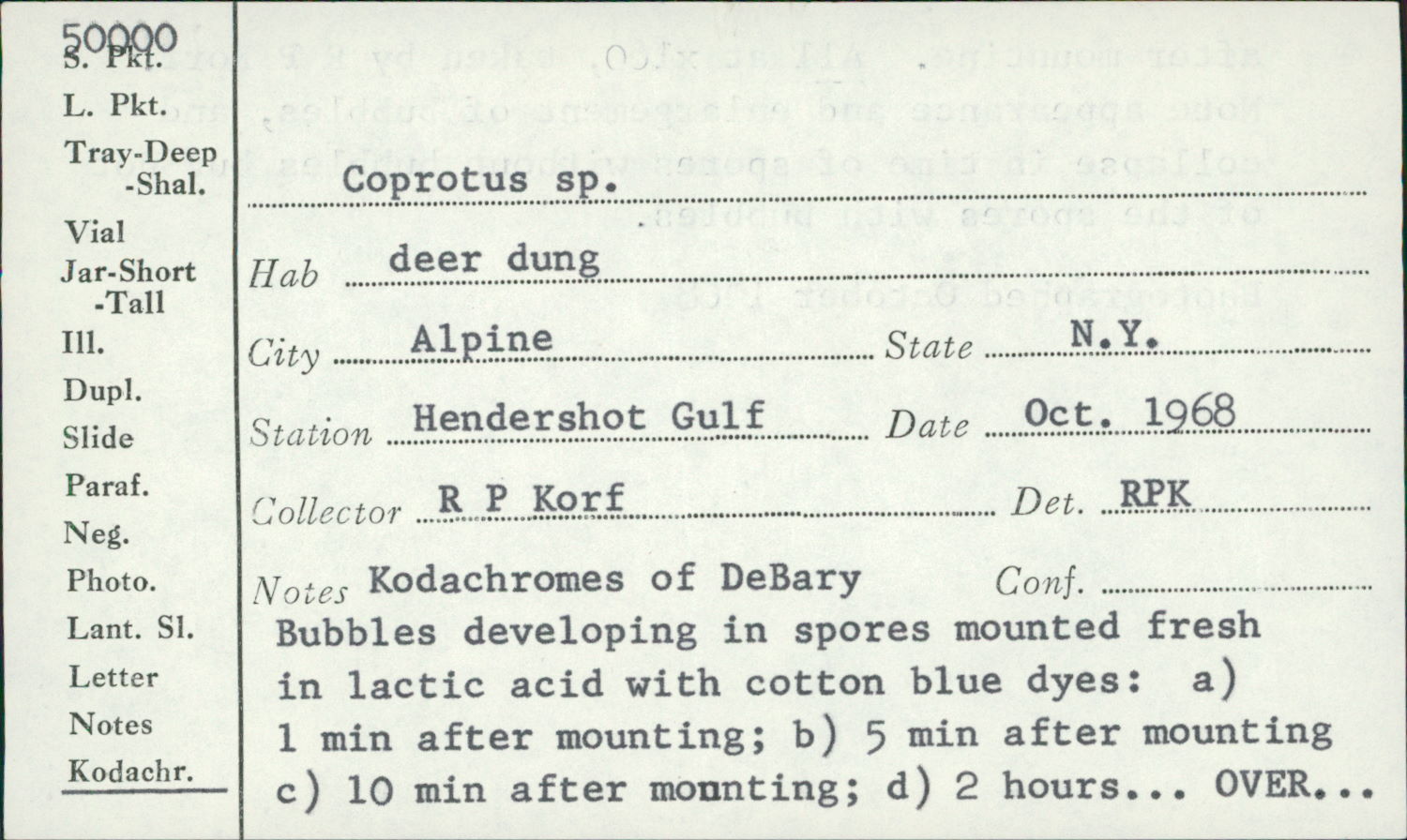
Coprotus
Coprotus is a genus of dung-inhabiting "cup fungi"; it has been assigned to the family Thelebolaceae, though doubt has subsequently been thrown on that placement.
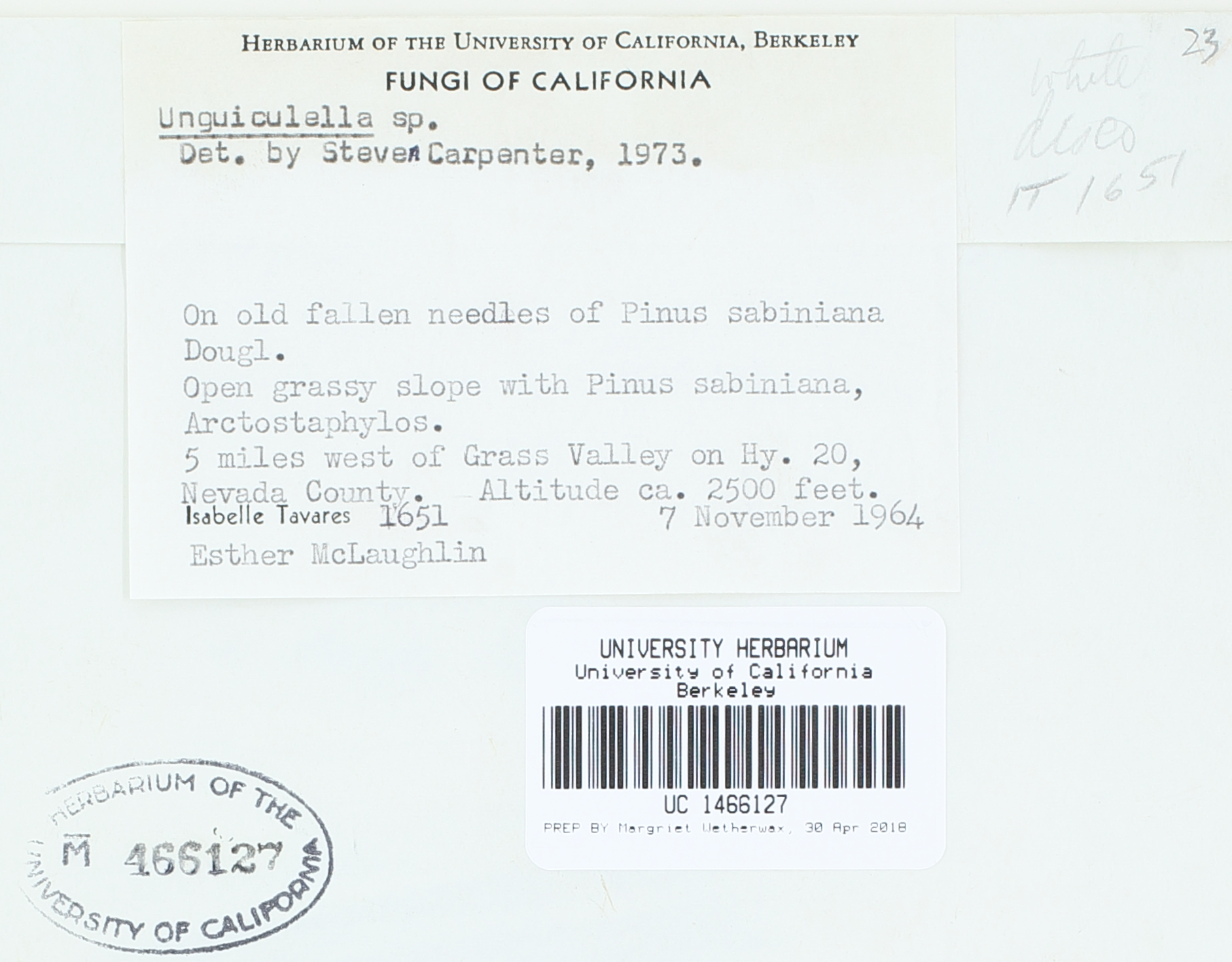
Unguiculella
Unguiculella is a genus of lichen-forming fungi in the family Cordieritidaceae. A total of 17 species fall under this genus.
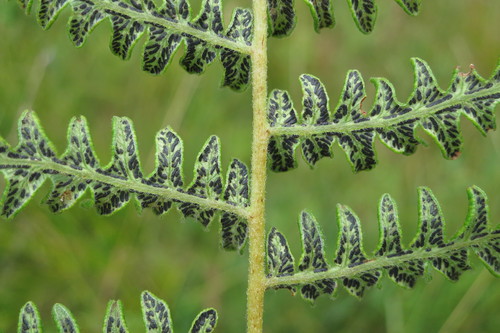
Cryptomyces
Cryptomyces is a genus of fungi within the Cryptomycetaceae family. The searches throughout Europe that have been conducted for this fungi since 2000 revealed sites only in Southwest Wales, Slovakia, and Northern Sweden.

Geltingia
Geltingia is a fungal genus in the family Helicogoniaceae. It is monotypic, containing the single lichenicolous species Geltingia associata. The genus was circumscribed in 1990 by mycologists Vagn Alstrup and David Leslie Hawksworth. The genus name honours Danish scientist Paul Gelting.
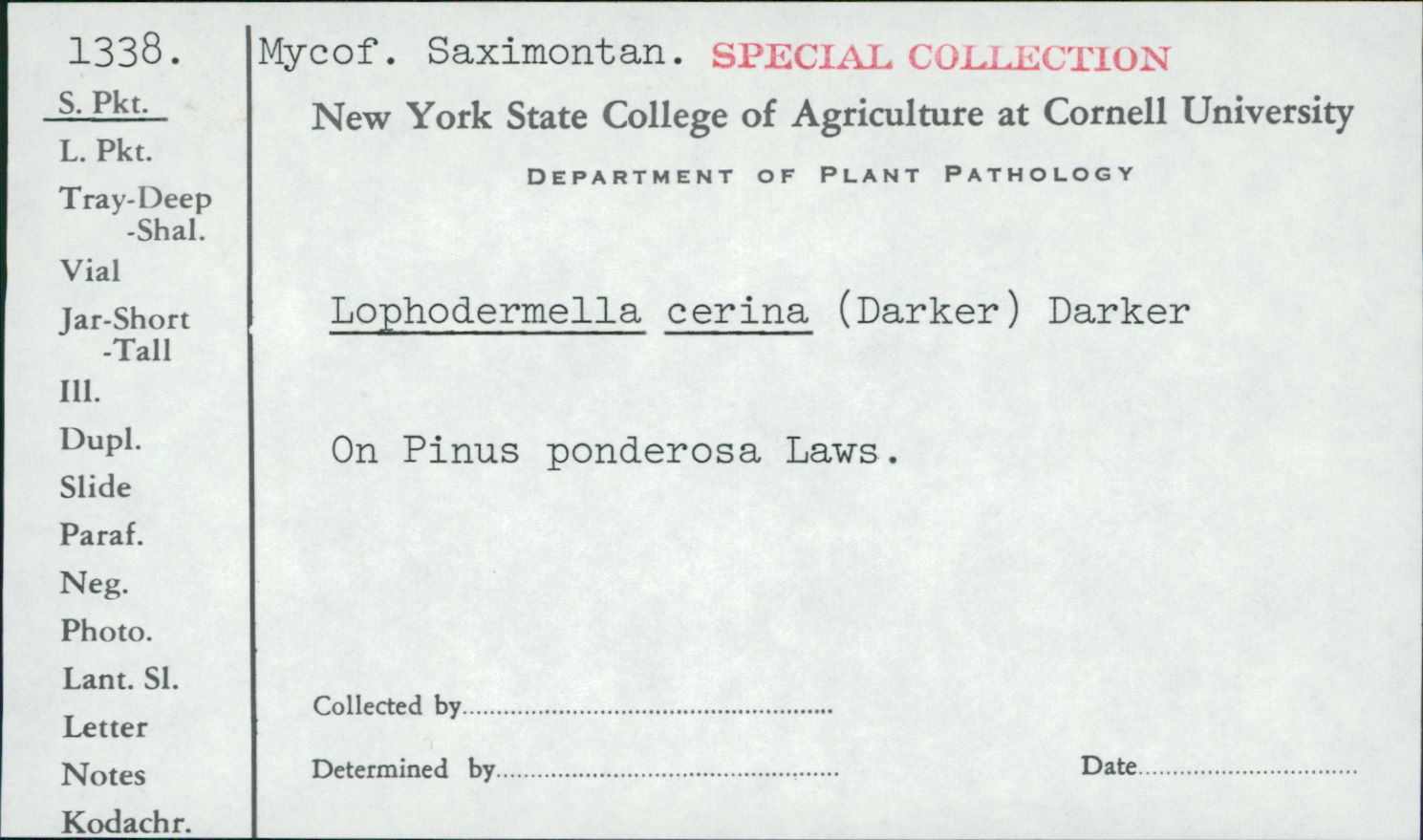
Lophodermella
Lophodermella is a genus of fungi in the family Rhytismataceae. The genus contains nine species.
Lirula
thumb|Lirula needle blight on spruce
Cystotheca
Cystotheca is a genus of plant pathogenic fungi in the family Erysiphaceae (powdery mildews). Members of the genus are found on Calophyllum, Castanea, Castanopsis, Murraya and Quercus species in Asia and North America.
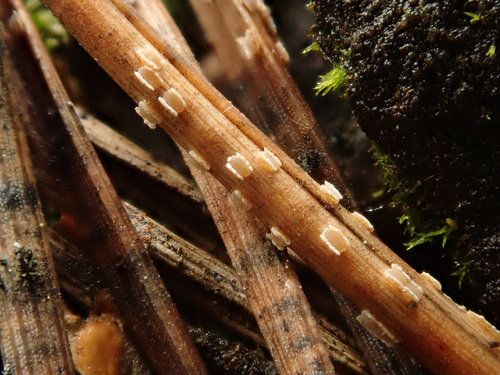
Cyclaneusma
Cyclaneusma is a genus of fungi belonging to the family Marthamycetaceae.

Dactylaria
Dactylaria is a genus of fungi belonging to an unknown family. According to Wijayawardene et al. 2020; the genus was placed in order Helotiales genera incertae sedis.
Llimoniella
Llimoniella is a genus of lichenicolous (lichen-dwelling) fungi in the family Cordieritidaceae. Species in the genus grow on other lichens as commensals, apparently without harming their hosts. They produce small, black, disc-like fruiting bodies that sit directly on the host lichen's surface.
Helicogonium
Helicogonium is a genus of fungi in the Ascomycota phylum.
Dwayaangam
Dwayaangam is a genus of fungi in the family Orbiliaceae consisting of 8 species.

Claussenomyces
Claussenomyces is a genus of fungi in the family Helotiaceae. Species grow as saprophytes on decaying and decorticated wood, cones, or sap. Fruitbodies are turbinate (having the shape of an inverted cone) to pulvinate (shaped like a cushion), measuring up to 0.6 mm in both height and diameter. The flesh has an elastic to gelatinous texture.
Austrocenangium
Austrocenangium is a genus of fungi in the family Cordieritidaceae. It contains two species.

Rhymbocarpus
Rhymbocarpus is a genus of lichenicolous (lichen-dwelling) fungi in the family Cordieritidaceae. It has 10 species. The genus was circumscribed by German mycologist Friedrich Wilhelm Zopf in 1896, with Rhymbocarpus punctiformis assigned as the type species.
Ameghiniella
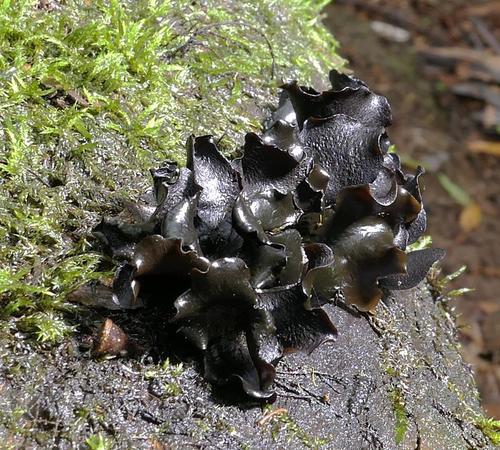
Ameghiniella is a genus of fungi in the family Cordieritidaceae. The genus contains 2 species.
Clavidisculum
Clavidisculum is a genus of fungi belonging to the family Hyaloscyphaceae.

Karstenia
Karstenia is a genus of fungi in the family Stictidaceae. These small fungi typically grow on wood and bark, producing tiny fruiting bodies that remain partially buried in their host material and appear as small pustules with pale pink or greyish-white centres. Unlike many related fungi, species of Karstenia do not form lichens, though they may occasionally grow near green algae.
Vladracula
Vladracula is a genus of fungi within the Rhytismataceae family.
Leptodontidium
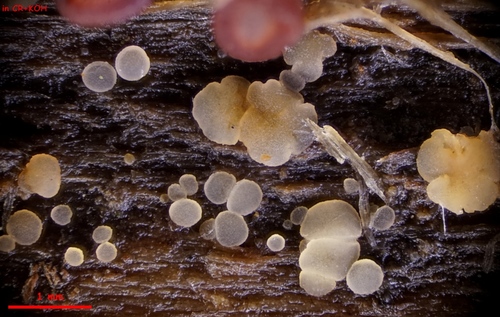
Leptodontidium is a genus of fungi belonging to the family Leptodontidiaceae. The genus was circumscribed by G. Sybren de Hoog in 1979.
Phacidiopycnis
Phacidiopycnis is a genus of fungal plant pathogens in the family Rhytismataceae.
Ascocorticium
The Ascocorticiaceae are a family of fungi in the Ascomycota, class Leotiomycetes. This is a monotypic taxon, containing the single genus Ascocorticium. The family was first described by Joseph Schröter in 1893. Species in this family have a widespread distribution in temperate locales, where they grow saprobically, often on the bark of conifers.
Skyttea
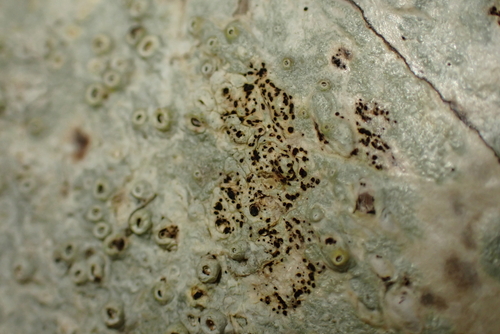
Skyttea is a genus of lichenicolous (lichen-dwelling) fungi in the family Cordieritidaceae.

Lichinodium
Lichinodium is a genus of filamentous lichens. It is the only genus in the family Lichinodiaceae, itself the only member of the order Lichinodiales. Lichinodium has four species. Previously considered part of the class Lichinomycetes, molecular phylogenetic analysis revealed that Lichinodium represents a unique lineage in the Leotiomycetes—the first known group of lichen-forming fungi in this class.
Naeviella
Naeviella is a genus of fungi in the family Calloriaceae. It has three species. The genus was circumscribed by American plant ecologist Frederic Clements in 1909.
Xyloschizon
Xyloschizon is a genus of fungi within the Rhytismataceae family. The genus contains two species.
Duplicaria
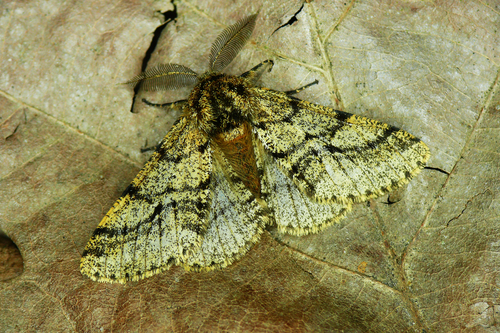
genus of fungi

Midotiopsis
Midotiopsis is a genus of fungi in the order Helotiales. It has two species.
Parauncinula
Parauncinula is a genus of fungi in the family Erysiphaceae. It is the earliest-diverging genus of powdery mildews and contains only four species, which were formerly classified in Uncinula. All of these species are endemic to East Asia and infect trees of the Fagaceae.