Category
page 1Lepidoptera superfamilies

Papilionoidea
Redirect Butterfly
Noctuoidea
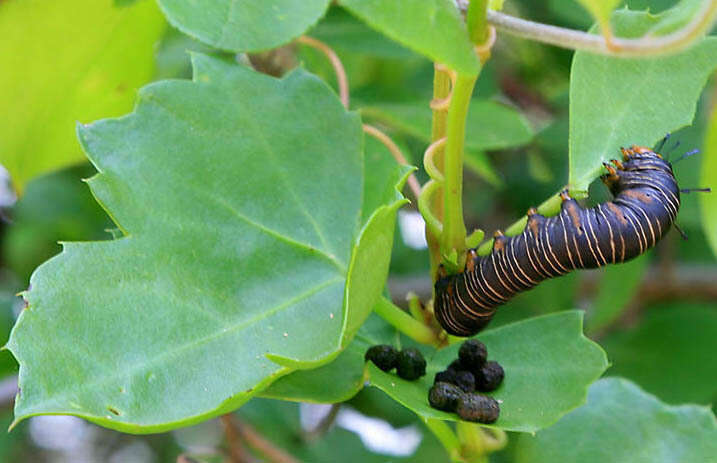
Noctuoidea is the superfamily of noctuid (Latin "night owl") or "owlet" moths, and has more than 70,000 described species, the largest number of any Lepidopteran superfamily. Its classification has not yet reached a satisfactory or stable state. Since the end of the 20th century, increasing availability of molecular phylogenetic data for this hugely successful radiation has led to several competing proposals for a taxonomic arrangement that correctly represents the relationships between the major lineages.
Bombycoidea
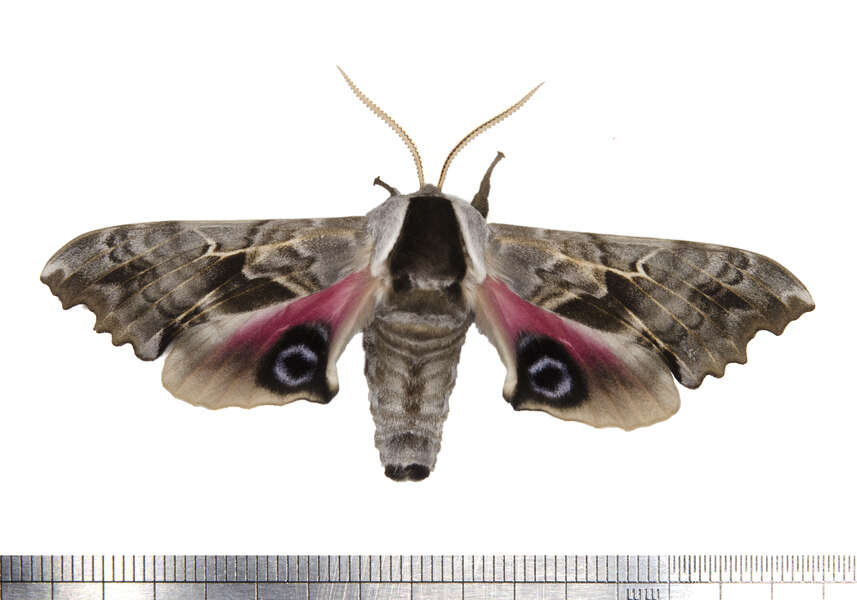
Bombycoidea is a superfamily of moths, including the silk moths, giant silk moths, sphinx moths, saturniids, and relatives. The superfamily Lasiocampoidea is a close relative and was historically sometimes merged in this group. After many years of debate and shifting taxonomies, the most recent classifications treat the superfamily as containing 10 constituent families.

Pyraloidea
thumb|200px|Udea rubigalis

Gelechioidea
__NOTOC__

Geometroidea
The Geometroidea are the superfamily of geometrid moths in the order Lepidoptera. It includes the families Geometridae, Uraniidae, Epicopeiidae, Sematuridae, and Pseudobistonidae. The Geometroidea superfamily has more than 24,000 described species, making them one of the largest superfamilies inside the order Lepidoptera. The monotypic genus Apoprogones was considered a separate geometroid family of the Apoprogonidae by a minority, but is now subsumed under the Sematuridae.
Zygaenoidea
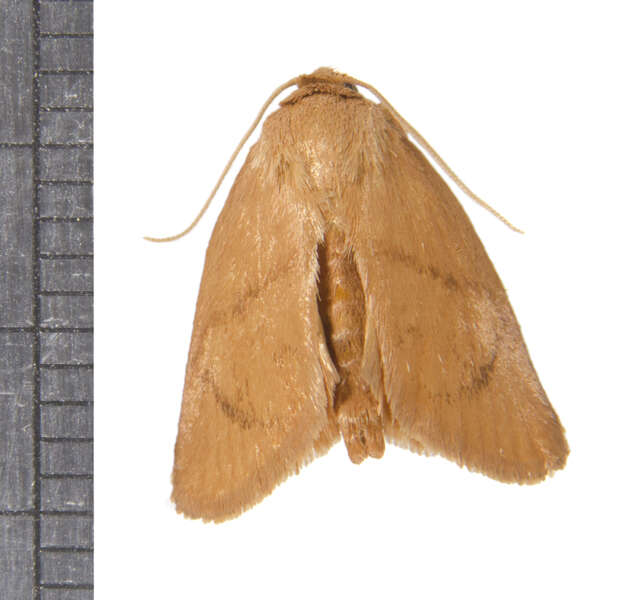
The Zygaenoidea are a superfamily of moths that include burnet moths, forester moths, and relatives.

Tineoidea
Tineoidea is the ditrysian superfamily of moths that includes clothes moths, bagworms and relatives. There are six families usually included within it, Eriocottidae, Arrhenophanidae, Lypusidae, Acrolophidae, Tineidae and Psychidae, whose relationships are currently uncertain.
Yponomeutoidea
Yponomeutoidea is a superfamily of ermine moths and relatives. There are about 1,800 species of Yponomeutoids worldwide, most of them known to come from temperate regions. This superfamily is one of the earliest groups to evolve external feeding and to colonize herbs in addition to shrubs and trees.
Gracillarioidea
Gracillarioidea is a large superfamily containing four families of insects in the order Lepidoptera. These generally small moths are miners in plant tissue as caterpillars. There are about 113 described genera distributed worldwide, the most commonly encountered of which are leaf miners in the family Gracillariidae.

Cossoidea
Cossoidea is the superfamily of moths that includes carpenter moths and relatives. Like their likely sister group Sesioidea they are internal feeders and have spiny pupae with moveable segments to allow them to extrude out of their exit holes in stems and trunks during emergence of the adult (Edwards et al., 1999).
Hepialoidea
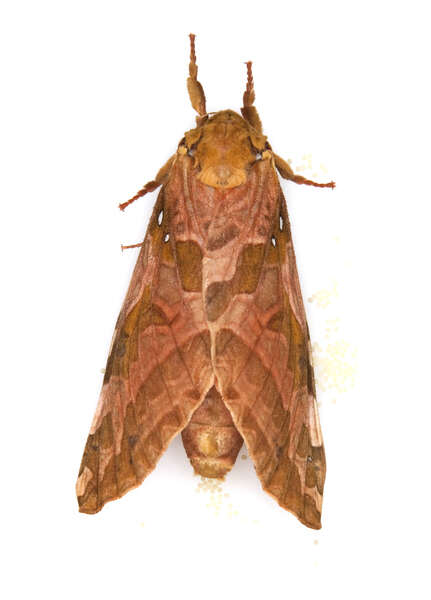
The Hepialoidea are the superfamily of "ghost moths" and "swift moths".
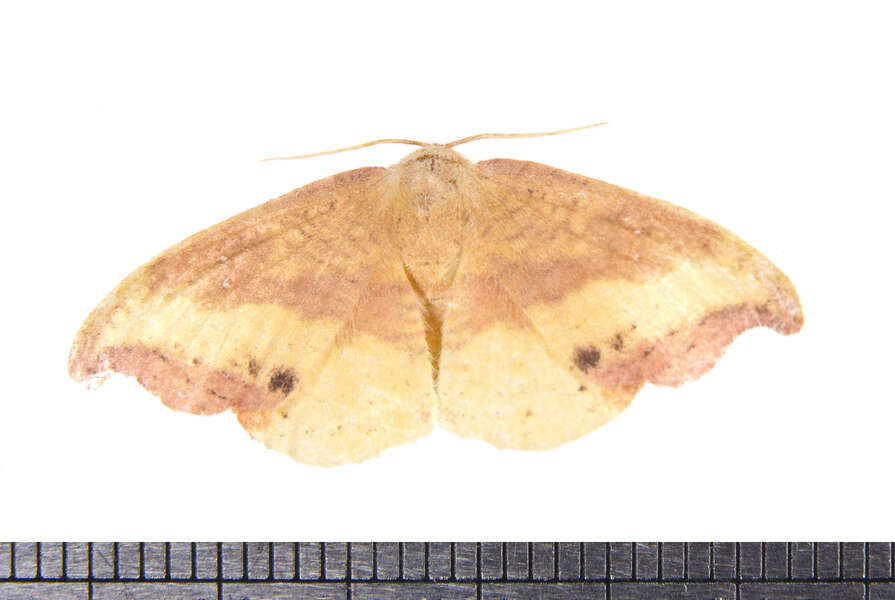
Drepanoidea
Drepanoidea is the superfamily of "hook tip moths". See Minet and Scoble (1999) for a comprehensive overview.

Sesioidea
Sesioidea is a superfamily containing clearwing moths (Sesiidae), castniid moths (Castniidae) and little bear moths (Brachodidae).
There is evidence from head and thoracic morphology that the first two families, internally feeding in plants as caterpillars, are sisters, whilst some brachodids are known to feed on leaf surfaces (Edwards et al., 1999). Sesioidea is closely related to Cossoidea, which contains the also internal-feeding Goat and Leopard moths, and recent taxonomic treatments consider the sesioid families as part of Cossoidea sensu lato.

Adeloidea
thumb|right|alt=Specimen of Adela reaumurella on a leaf.|Adela reaumurella
Adeloidea is a superfamily of primitive monotrysian moths in the order Lepidoptera which consists of leafcutters, yucca moths and relatives. This superfamily is characterised by a piercing, extensible ovipositor used for laying eggs in plants (Davis, 1999). Many species are day-flying with metallic patterns.
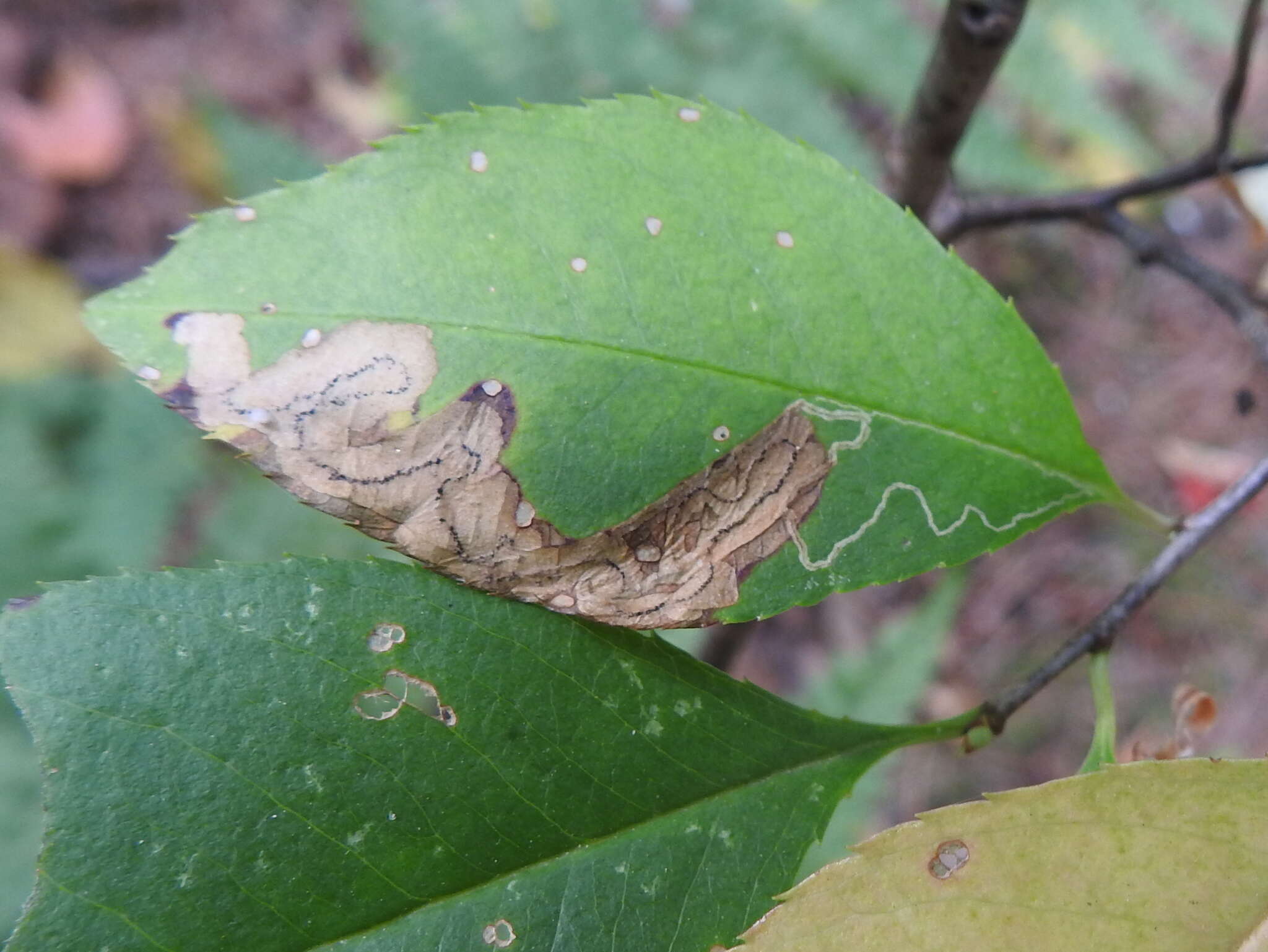
Nepticuloidea
Nepticuloidea is a superfamily of usually very small monotrysian moths that are characterised by small or large eyecaps over the compound eyes.
It comprises two families, the "pigmy moths" (Nepticulidae), with 12 genera which are very diverse worldwide and are usually leaf miners, and the "white eyecap moths" (Opostegidae), also worldwide but with five genera and about a ninth as many species, whose biology is less well known (Davis, 1999).
Lasiocampoidea
REDIRECT Lasiocampidae
Alucitoidea
Aluctoidea is the superfamily of many-plumed and false plume moths. These small moths are most easily recognized by their wings. These each consist of many (typically more than 3) narrow strips of membrane around the major veins, instead of a continuous sheet of membrane between the veins. In living moths in the wild, this is often hard to see however. When they are at rest, the "plumes" partly overlap, appearing as solid wings. But even then, they can be recognized by the wings having a marked lengthwise pattern and uneven edge.
Lophocoronoidea
Lophocoronoidea is a superfamily of insects in the order Lepidoptera. There is a single extant genus, Lophocorona, in the family Lophocoronidae. These are small, primitive nocturnal moths restricted to Australia whose biology is largely unknown (Common, 1990; Kristensen and Nielsen, 1996; Kristensen, 1999).
Heterobathmioidea
REDIRECT Heterobathmia
Simaethistoidea
Simaethistoidea is an obscure superfamily of pyralid-like moths with two genera, whose biology and relationships among the Ditrysia is currently unknown, namely the Australian Metaprotus (2 species)[https://web.archive.org/web/20060903181504/http://www.ento.csiro.au/gallery/moths/Metaprotusmagnifica and the China and North Indian Simaethistis (2 species) (Dugdale et al., 1999).
Tischerioidea
Tischerioidea is the superfamily of "trumpet" leaf miner moths. The superfamily contains just one family, Tischeriidae, and traditionally one genus, Tischeria, but currently three genera are recognised, widespread around the world including South America (Davis, 1986), except for Australasia (Puplesis and Diskus, 2003). This is one candidate as the sister group (see also Palaephatoidea) of the bulk of Lepidoptera, the Ditrysia (Davis, 1999; Wiegmann et al., 2002), and they have a monotrysian type of female reproductive system. These small moths are leaf-miners in the caterpillar stage, feeding
Carposinoidea
thumb|Bondia (moth)|Bondia sp.
Agathiphagoidea
REDIRECT Agathiphaga
Whalleyanoidea
REDIRECT Whalleyana