Category
page 1Liliales genera

Alstroemeria
thumb|Alstroemeria × hybrida in the Lalbagh Botanical Gardens

Smilax
Smilax is a genus of about 300–350 species, found in the tropics and subtropics worldwide. They are climbing flowering plants, many of which are woody and/or thorny, in the monocotyledon family Smilacaceae, native throughout the tropical and subtropical regions of the world.
Common names include catbriers, greenbriers, prickly-ivys and smilaxes. Sarsaparilla (also zarzaparrilla, sarsparilla) is a name used specifically for the Neotropical S. ornata as well as a catch-all term in particular for American species. Occasionally, the non-woody species such as the smooth herbaceous greenbrier (S. h
.jpg)
Bomarea
Bomarea is one of the two major genera in the plant family Alstroemeriaceae. Most occur in the Andes, but some occur well into Central America, Mexico and the West Indies. Some species are grown as ornamental plants.
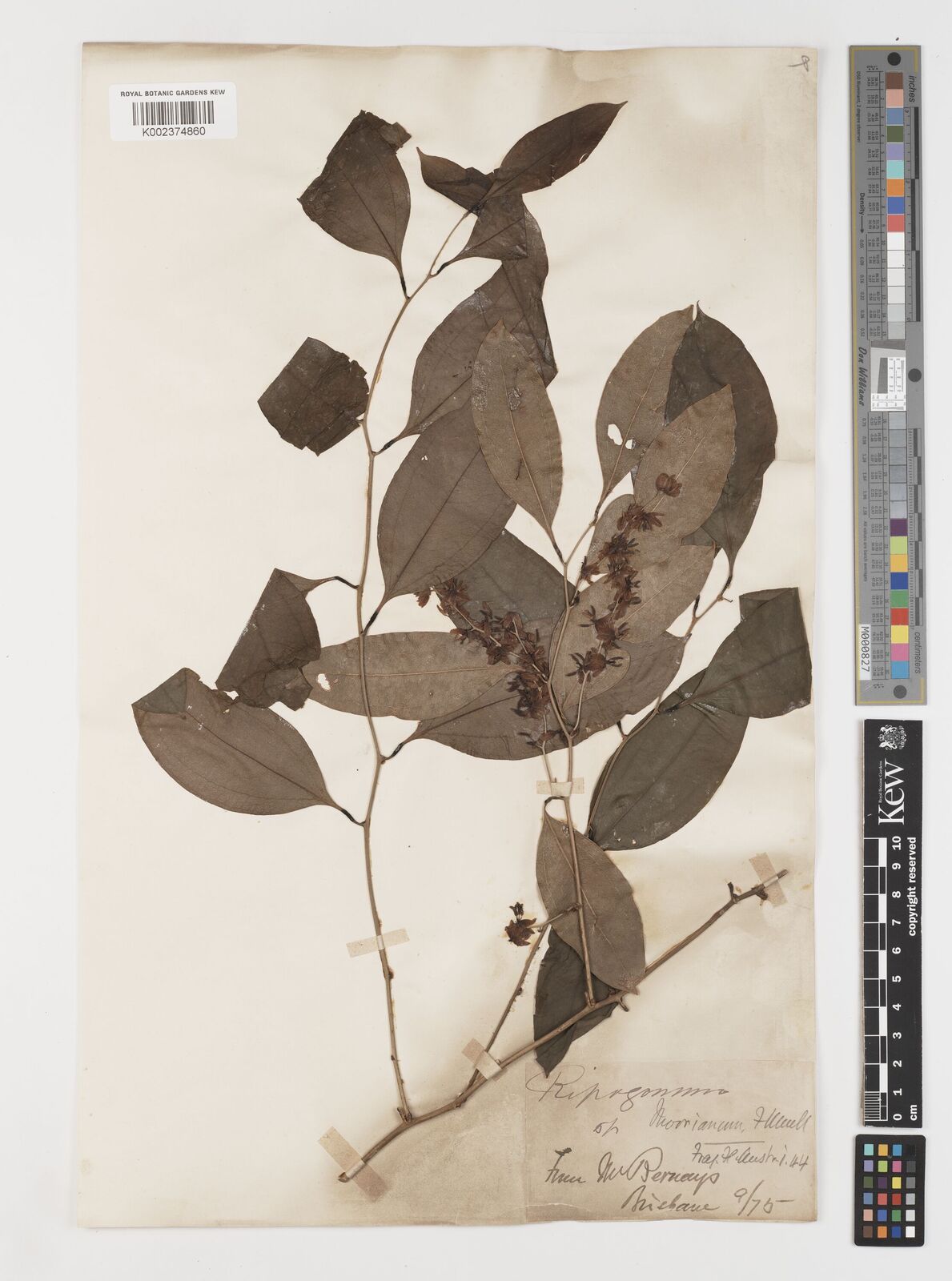
Ripogonum
Ripogonum (sometimes Rhipogonum) is a genus of flowering plants confined to eastern Australia, New Zealand, and New Guinea. Until recently this genus was included in the family Smilacaceae, and earlier in the family Liliaceae, but it has now been separated as its own family Ripogonaceae (sometimes Rhipogonaceae).

Heterosmilax
Heterosmilax was considered a genus of flowering plants in the family Smilacaceae. It was native to southern China and Southeast Asia. Subsequent molecular phylogenetic studies showed that it was embedded within another genus, Smilax and was reduced to a section within that genus.

Corsia
Corsia is a little-studied plant genus from the monocotyledon family Corsiaceae. It was first described in 1877 by Italian naturalist Odoardo Beccari and contains 25 species, all of which lack chlorophyll and parasitize fungi for nutrition. All 25 species are distributed through New Guinea, the Bismarck Archipelago, the Solomon Islands and Queensland, Australia.
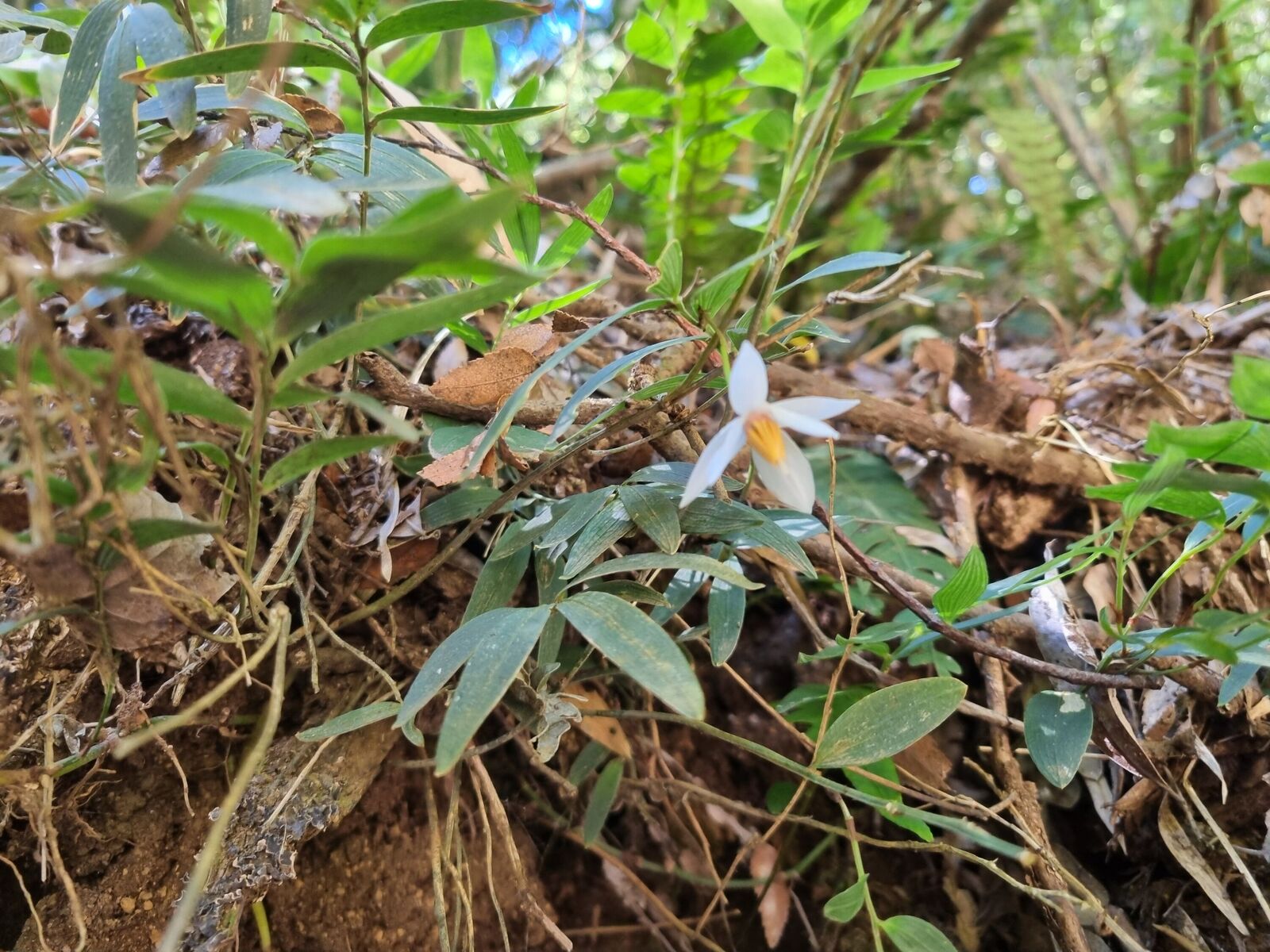
Luzuriaga
genus of plants

Drymophila
genus of plants
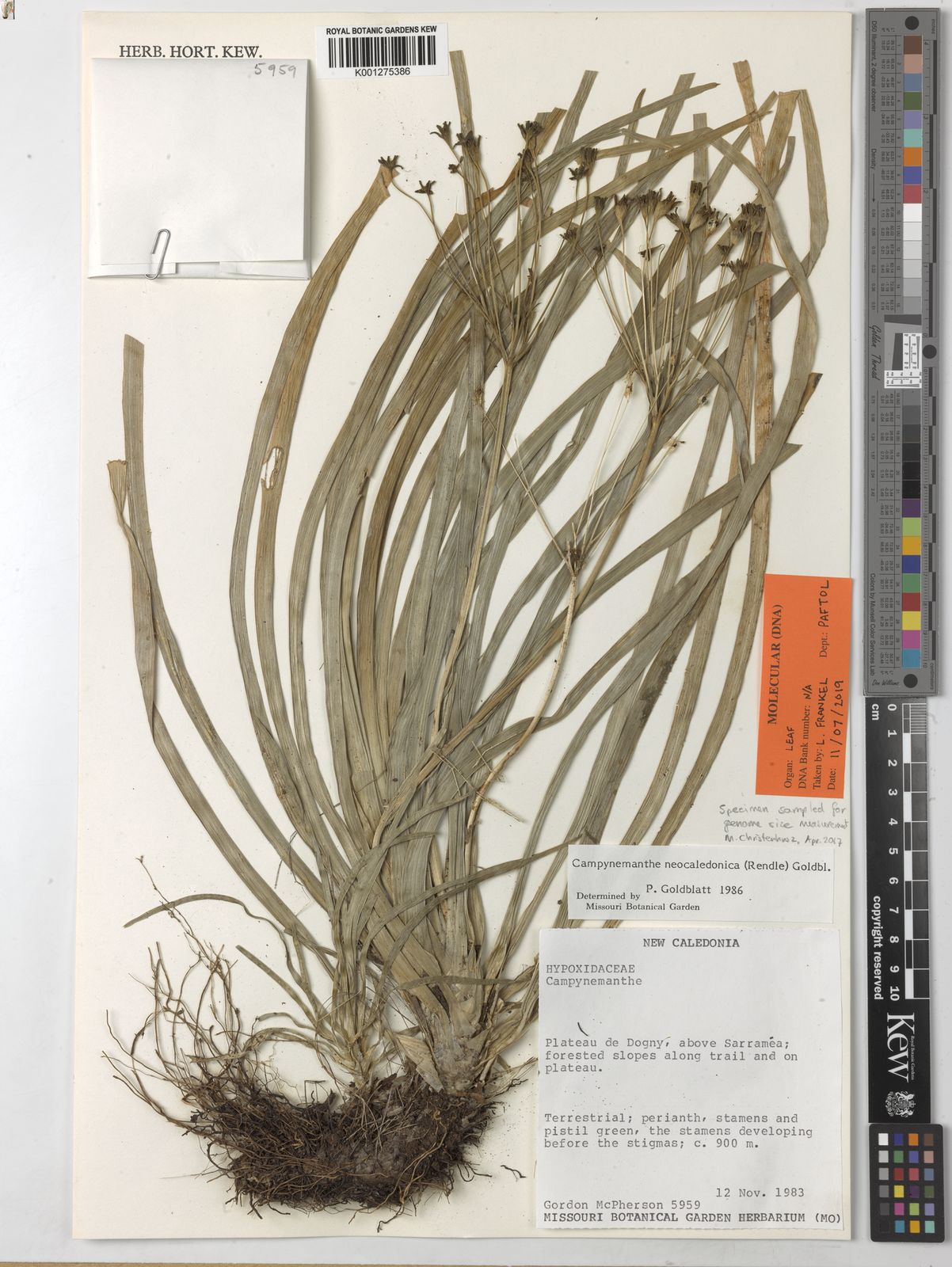
Campynemanthe
Campynemanthe is a genus of plants in the Campynemataceae family, first described by Henri Baillon in 1893. The entire genus is endemic to New Caledonia in the southwestern Pacific. Its closest relative is the monotypic genus Campynema from Tasmania, the sole other genus of the family.