Category
page 1Limbs (anatomy)
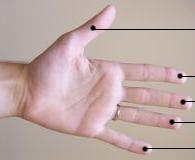
digit
part of a limb, such as fingers or toes, present in many vertebrates
limb
jointed bodily appendage of humans and many other animals

upper extremity
arm (hand + forearm + upper arm + pectoral girdle)
bird's wing
paired forelimb in birds

dewclaw
thumb|right|Paw of a dog: A. Claw, B. Digital pads, C. Metacarpal pad, D. Dewclaw, E. Carpal pad
thumb|A dog's dewclaw does not make contact with the ground while the dog is standing. This older dog's dewclaw is rounded from use while running, but it has grown.thumb|Some active dogs' dewclaws make more frequent contact with the ground while running, so they wear down naturally, as do their other claws.
thumb|Double dewclaws on rear leg of dog
acute limb ischaemia
occurs when there is a sudden lack of blood flow to a limb

forelimb
right|thumb|350px|Forelimbs in mammals have varying functions but are all homologous.
A forelimb or front limb is one of the paired articulated appendages (limbs) attached on the cranial (anterior) end of a terrestrial tetrapod vertebrate's torso. With reference to quadrupeds, the term foreleg or front leg is often used instead. In bipedal animals with an upright posture (e.g. humans and some other primates), the term upper limb is often used.
fascial compartment
Section within the body containing muscles and nerves and surrounded by fascia