Category
page 1Linguistic controversies

euphemism
thumb|Sign at a Rite Aid drugstore using common euphemisms for (from top): |alt=A yellow sign with a pointed bottom. At the top is the number 5 in an oval with a blue background. Below it are the words "family planning", "feminine hygiene", "feminine protection" and "sanitary protection"

Common Era
modern calendar era

Gaza genocide
The Gaza genocide is the ongoing, intentional, and systematic destruction of the Palestinian people in the Gaza Strip carried out by Israel during the Gaza war. It encompasses mass killings, deliberate starvation, infliction of serious bodily and mental harm, and prevention of births. Other acts include blockading, destroying civilian infrastructure, destroying healthcare facilities, killing healthcare workers and aid-seekers, causing mass forced displacement, committing sexual violence, and destroying educational, religious, and cultural sites. The genocide has been recognised by a United Nations special committee and commission of inquiry, the International Association of Genocide Scholars, multiple human rights groups, state governments, numerous genocide studies and international law scholars, and other experts.
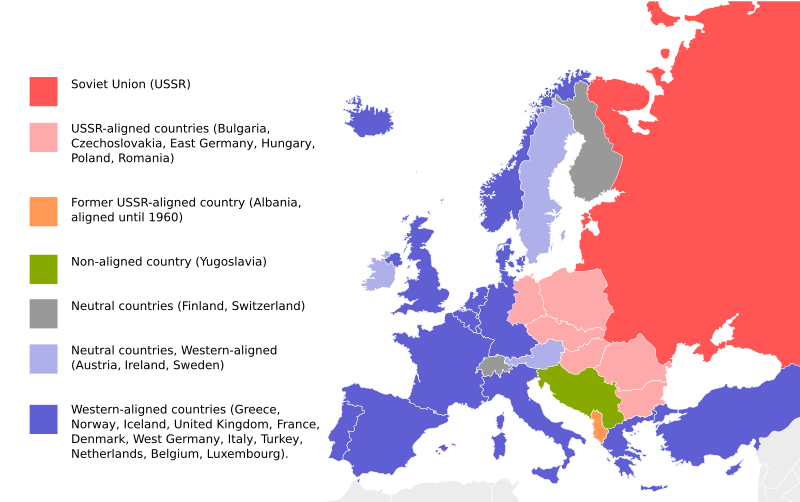
Third World
category of countries on socio economic base
cisgender
hate speech
speech that expresses hatred towards individuals or groups

woke
thumb|alt=Congresswoman Marcia fudge at an outdoor gathering holding a T-shirt in front of her which reads "Stay Woke" followed by a tick mark inside a box and the word "Vote"|U.S. Congresswoman Marcia Fudge in 2018

goy
Goy (pl: goyim or goys) is a term for a gentile, a non-Jew, sometimes in a pejorative sense. The word, of Hebrew origin, was adopted into English from Yiddish. It carries a similar meaning in Modern Hebrew.

cultural appropriation
adoption of elements of a minority culture by members of the dominant culture
gender-neutral language
language that avoids bias towards a particular sex or social gender
social engineering
top-down effort to influence particular attitudes and social behaviors on a large scale by government, media, academia or other groups
TERF
acronym of trans-exclusionary radical feminism
humanitarian intervention
military intervention for humanitarian reasons
collateral damage
damage to things that are incidental to the intended target

Islamofascism
Islamofascism is a portmanteau of the words fascism and Islamism or Islamic fundamentalism, which advocate authoritarianism and violent extremism to establish an Islamic state, in addition to promoting offensive Jihad. For example, Qutbism has been characterized as an Islamofascist and Islamic terrorist ideology.
alternative facts
expression associated with political misinformation established in 2017
linguistic prescription
attempt to lay down norms defining preferred or "correct" use of language
microaggression
Microaggression is a term used for commonplace verbal, behavioral or environmental slight, whether intentional or unintentional, that communicates hostile, derogatory, or negative attitudes toward members of marginalized groups. The term was coined by Harvard University psychiatrist Chester M. Pierce in 1970 to describe insults and dismissals which he regularly witnessed non-black Americans inflicting on African Americans. By the early 21st century, use of the term was applied to the casual disparagement of any socially marginalized group, including LGBT, poor, and disabled people. Psychologis
lookism
Lookism is prejudice or discrimination toward people who are considered to be physically unattractive, and can include basing one's judgment of another person's other qualities, such as intelligence and abilities, on a person’s physical appearance. It occurs in a variety of settings, including dating, social environments, and workplaces. Lookism has received less cultural attention than other forms of discrimination (such as racism and sexism) and typically does not have the legal protections that other forms often have, but it is still widespread and can significantly affect people's opportun
family values
sociological concept
whitelist
A whitelist or allowlist is a list or register of entities that are being provided a particular privilege, service, mobility, access or recognition. Entities on the list will be accepted, approved and/or recognized. Whitelisting is the reverse of blacklisting, the practice of identifying entities that are denied, unrecognized, or ostracized.
thoughtcrime
In the dystopian novel Nineteen Eighty-Four, thoughtcrime, also known as crimethink in the official language of Newspeak, is the offense of thinking in ways not approved by the ruling Ingsoc party. It describes the intellectual actions of a person who entertains and holds politically unacceptable thoughts; thus the government of The Party controls the speech, actions, and thoughts of the citizens of Oceania.
snowflake
slang term
primary/replica architecture
model of communication where one device or process has unidirectional control over one or more other devices
diversity
concept in sociology and political studies
critical period hypothesis
biolinguistics hypothesis that claims a person can only achieve native-like fluency in a language before a certain age
person of color
persons with bodily characteristics, mainly skin color, that differ from Eurocentric standards; term used in the United States to refer to people whose historical homeland is not Europe
Greek language question
19th and 20th century dispute in Greece about whether the popular language (Demotic) or a cultivated imitation of Ancient Greek (katharevousa) should be official; settled in favour of the former
language ideology
concept of language having or being influenced by ideology

Xmas
thumb|right|alt=Illustration of a woman in a gingham dress standing in front of a large Christmas wreath|A 1922 advertisement in ''Ladies' Home Journal for Biberman Bros.: "Give her a for Xmas"
Xmas (also X-mas) is a common abbreviation of the word Christmas. It is sometimes pronounced , but Xmas, and variants such as Xtemass'', originated as handwriting abbreviations for the typical pronunciation . The 'X' comes from the Greek letter , which is the first letter of the Greek word (), which became Christ in English.
The suffix -mas is from the Latin-derived Old English word for Mass.
gender-blind
In education, business, law, and other fields, gender blindness or sex blindness is the practice of disregarding gender as a significant factor in interactions between people and applying equal rules across genders (formal equality of opportunity).
blacklist (computing)
a basic access control mechanism that grants permissions to all, except those explicitly mentioned
Declaration on the Common Language
statement that Croatian, Serbian, Bosnian, and Montenegrin are four varieties of a single pluricentric language

baizuo
'''''' (; ) is a derogatory Chinese neologism used to refer to Western liberals and leftists, especially in relation to refugee issues and social problems. The term originated in the 2010s and has since come into more frequent use by Chinese nationalists critical of Western liberal and leftist ideologies for their alleged over-tolerance to immigration issues and by netizens who agreed with Donald Trump's anti-immigration policies. The term has also begun being used in English by American conservatives.
Xenocentrism
Xenocentrism is the preference for the cultural practices of other cultures and societies, such as how they live and what they eat, rather than of one's own social way of life. One example is the romanticization of the noble savage in the 18th-century primitivism movement in European art, philosophy and ethnography. Xenocentrism can be a type of ethnocentrism. Because ethnocentrism is often negative and characterized by perceived superiority of one's own society to others, it often contrasts with xenocentrism.
mandatory Swedish
compulsory teaching of the Swedish language in Finnish elementary schools
inclusive language
a writing approach avoids prejudiced or biased terms

reappropriation
thumb|300px|Claude Monet's [[Impression, soleil levant was ridiculed as "Impression-ist" in 1872, but the term then became the name of the art movement, "impressionism", and painters began to self-identify as "impressionist".]]
In linguistics, reappropriation, reclamation, or resignification is the cultural process by which a group reclaims words or artifacts that were previously used in a way disparaging of that group. It is a specific form of a semantic change (i.e., change in a word's meaning). Linguistic reclamation can have wider implications in the fields of discourse and has been descri
Norwegian language conflict
ongoing controversy between Bokmål and Nynorsk and other varieties of the Norwegian language
personal pronoun set
third-person pronouns that an individual wants to be used when referring to them
English-only movement
U.S. political and cultural movement
Never again
expression regarding the Holocaust
.jpg)
squaw
The English word squaw is an ethnic and sexual slur, historically used for Indigenous North American women. Contemporary use of the term, especially by non-Natives, is considered derogatory, misogynist, and racist.
freedom fries
politically motivated renaming of French fries in the United States

comparison of standard Bosnian, Croatian and Serbian
language comparison
renaming of cities in India
about old states of India
Language Question
Language controversy in Malta, 19th to mid-20th ct.

indigenization
thumb|Poster in the Ukrainian language about the beginning of the indigenization policy (Korenizatsiya in Russian, meaning "indigenization", literally "putting down roots") in [[Soviet Ukraine (see: Ukrainization). The text translates to: "Son! Enroll in the , and the defense of Soviet Ukraine will be ensured." First published in the USSR in 1921.]]
Indigenization is the act of making something more indigenous; transformation of some service, idea, etc. to suit a local culture, especially through the use of more indigenous people in public administration, employment and other fields.
Palestinian genocide allegations
allegations pertaining to the Israeli–Palestinian conflict
comparisons between Israel and Nazi Germany
the ahistorical comparison of Israel to Nazi Germany or Israelis to WWII Nazi Germans
Finland's language strife
19th-century language conflict within Finland
Mohammedan
Mohammedan is a historical term used to denote a follower of Muhammad, the Islamic prophet. It is used as both a noun and an adjective, meaning belonging or relating to, either Muhammad or the religion, doctrines, institutions and practices that he established. The word was formerly common in usage, but the terms Muslim and Islamic are more common today. Though sometimes used stylistically by some Muslims, a vast majority consider the term archaic or a misnomer, as it suggests that Muslims worship Muhammad himself instead of the God in Islam.
Denial of Kurds by Turkey
policy of a state
War of the Languages
debate in Ottoman Palestine over the language of instruction in the country's new Jewish schools
self-licensing
Self-licensing (also moral self-licensing, moral licensing, or licensing effect) is a term used in social psychology and marketing to describe the subconscious phenomenon whereby increased confidence and security in one's self-image or self-concept tends to make that individual worry less about the consequences of subsequent immoral behavior and, therefore, more likely to make immoral choices and act immorally. In simple terms, self-licensing occurs when people allow themselves to indulge after doing something positive first; for example, drinking a diet soda with a greasy hamburger and fries
people-first language
form of linguistic prescriptivism
neopronoun
Neopronouns, or xenopronouns,'''''' are neologistic third-person personal pronouns beyond those that already exist in a language. In English, neopronouns replace the existing pronouns "he", "she", and "they". Neopronouns are preferred by some non-binary individuals who feel that they provide options to reflect their gender identity more accurately than conventional pronouns.
thought-terminating cliché
commonly used phrase used to propagate cognitive dissonance
thoughts and prayers
English language phrase used when offering condolences
Gospel Riots
christian riots in Greece in 1901