Category
page 1Lipotidae

baiji
The baiji (Lipotes vexillifer) is a possibly extinct species of river dolphin native to the Yangtze river system in China. It is thought to possibly be the first dolphin species driven to extinction due to the impact of humans. This dolphin is listed as "critically endangered: possibly extinct" by the IUCN, has not been definitively seen in over 20 years, and several surveys of the Yangtze have failed to find it. The species is also called the Chinese river dolphin, Yangtze river dolphin, Yangtze dolphin, and whitefin dolphin. The genus name Lipotes means "left behind" and the species epithet
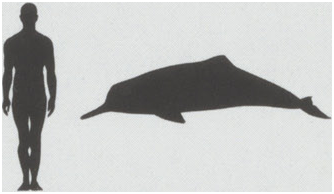
Lipotidae
Lipotidae is a possibly extinct family of river dolphins containing the critically endangered/functionally extinct Chinese river dolphin baiji and the fossil genus Parapontoporia from the Pacific coast of North America during the Late Miocene and Pliocene The genus Prolipotes, which is based on a mandible fragment from Neogene coastal deposits in Guangxi, China, has been classified as an extinct relative of the baiji, but is dubious. The oldest known member of the family is Eolipotes from the Late Miocene of Japan.
Parapontoporia
Parapontoporia is an extinct genus of lipotoid dolphin that lived during the Late Miocene to the Pliocene epochs. This genus can be found attributed across the North American coast of the Pacific Ocean. Fossils have been found in Tulare Formation of California and the Almejas Formation of Mexico.