Category
page 1Lithuanian ethnographic regions

Samogitia
Samogitia, often known by its Lithuanian name Žemaitija (Samogitian: Žemaitėjė; see below for alternative and historical names) is one of the five cultural regions of Lithuania and formerly one of the two core administrative divisions of the Grand Duchy of Lithuania alongside Lithuania proper.
Aukštaitija
Aukštaitija (; literally Highland or Upland) is the name of one of five ethnographic regions of Lithuania. The name comes from the fact that the lands are in the upper basin of the Nemunas, as opposed to the Lowlands that begin from Šiauliai westward. Although Kaunas is surrounded by Aukštaitija, the city itself is not considered to be a part of any ethnographic region in most cases.
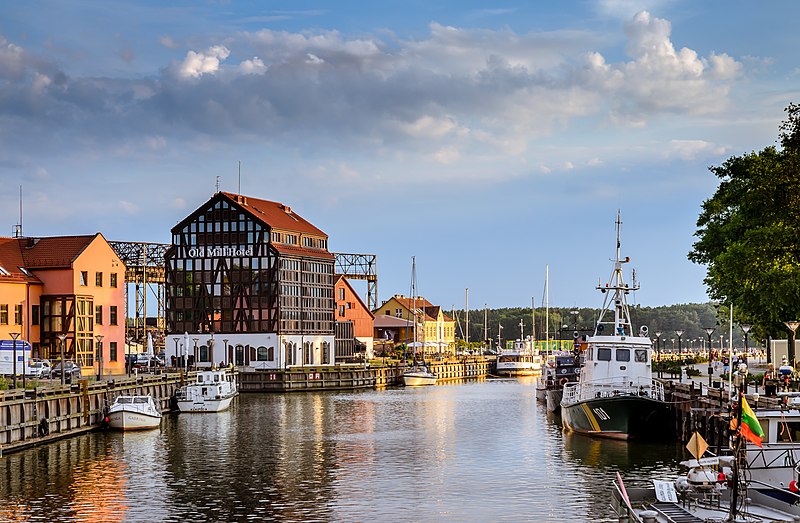
Lithuania Minor
ethnographic region in Lithuania, Russia and Poland

Dzūkija
thumb|Map of Lithuanian regions showing "Greater" Dzūkija (Fuchsia (color)|fuchsia).
Dzūkija () or Dainava is one of five ethnographic regions of Lithuania. Dzūkija is a cultural region defined by traditional lifestyles and dialects of the local Lithuanian population (mostly rural farmers) and has never been defined as a political or administrative unit. Traditionally, Alytus is regarded as the capital of the region and largest city. Although Vilnius is surrounded by Dzūkija, the city itself is not considered as a part of any ethnographic region in most cases.

Suvalkija
Suvalkija or Sudovia ( or Sūduva) is the smallest of the five cultural regions of Lithuania. Its unofficial capital is Marijampolė. People from Suvalkija (Suvalkijans) are called (plural) or (singular) in Lithuanian. It is located south of the Neman River, in the former territory of Vilkaviškis bishopric. Historically, it is the newest ethnographic region, as its most distinct characteristics and separate regional identity formed during the 19th century when the territory was part of Congress Poland. It was never a separate political entity, and even today, it has no official status in the adm