Category
page 8Lizard genera
Carinascincus
Carinascincus is a genus of skinks (family Scincidae), commonly called snow skinks or cool-skinks and residing mainly in Tasmania or Victoria, Australia. Then recognised as the genus Niveoscincus, it was found to belong to a clade with the genera Carlia, Lampropholis and others of the Eugongylus group within Lygosominae. Cogger has rejected the use of the junior name Niveoscincus and recognizes the valid senior generic name Carinascincus for the group. For similar skinks see genera Pseudemoia, Lampropholis, and Bassiana. These skinks have adapted to the cooler weather of southern Australia and
Pholidoscelis
Pholidoscelis is a genus of lizards that belongs to the family Teiidae. All species are endemic to the West Indies.
Lophocalotes
Lophocalotes is a genus of lizards in the subfamily Draconinae of the family Agamidae. The genus, which is endemic to Sumatra, contains two species.
Toropuku
Toropuku is a genus of lizards in the family Diplodactylidae endemic to New Zealand. It includes two species:
Brachyseps
Brachyseps is a genus of skinks. They are all endemic to Madagascar. Some taxonomic authorities place the group in the genus Amphiglossus.
Andinosaura
thumb | right
Andinosaura is a genus of lizards in the family Gymnophthalmidae. The genus is endemic to South America.
Diploderma
thumb|Diploderma swinhonis
Glaucomastix
Glaucomastix is a genus of lizards that belongs to the family Teiidae. The genus is endemic to Brazil.
Heremites
Heremites is a genus of skinks.
Palaeosaniwa canadensis
Palaeosaniwa is an extinct genus of carnivorous lizard from the Late Cretaceous of North America. The type (and only) species, Palaeosaniwa canadensis, given by Charles Whitney Gilmore in 1928, means "ancient Saniwa from Canada".
Oreosaurus
Oreosaurus is a genus of lizards in the family Gymnophthalmidae. The genus is found in South America.
Pseudopus
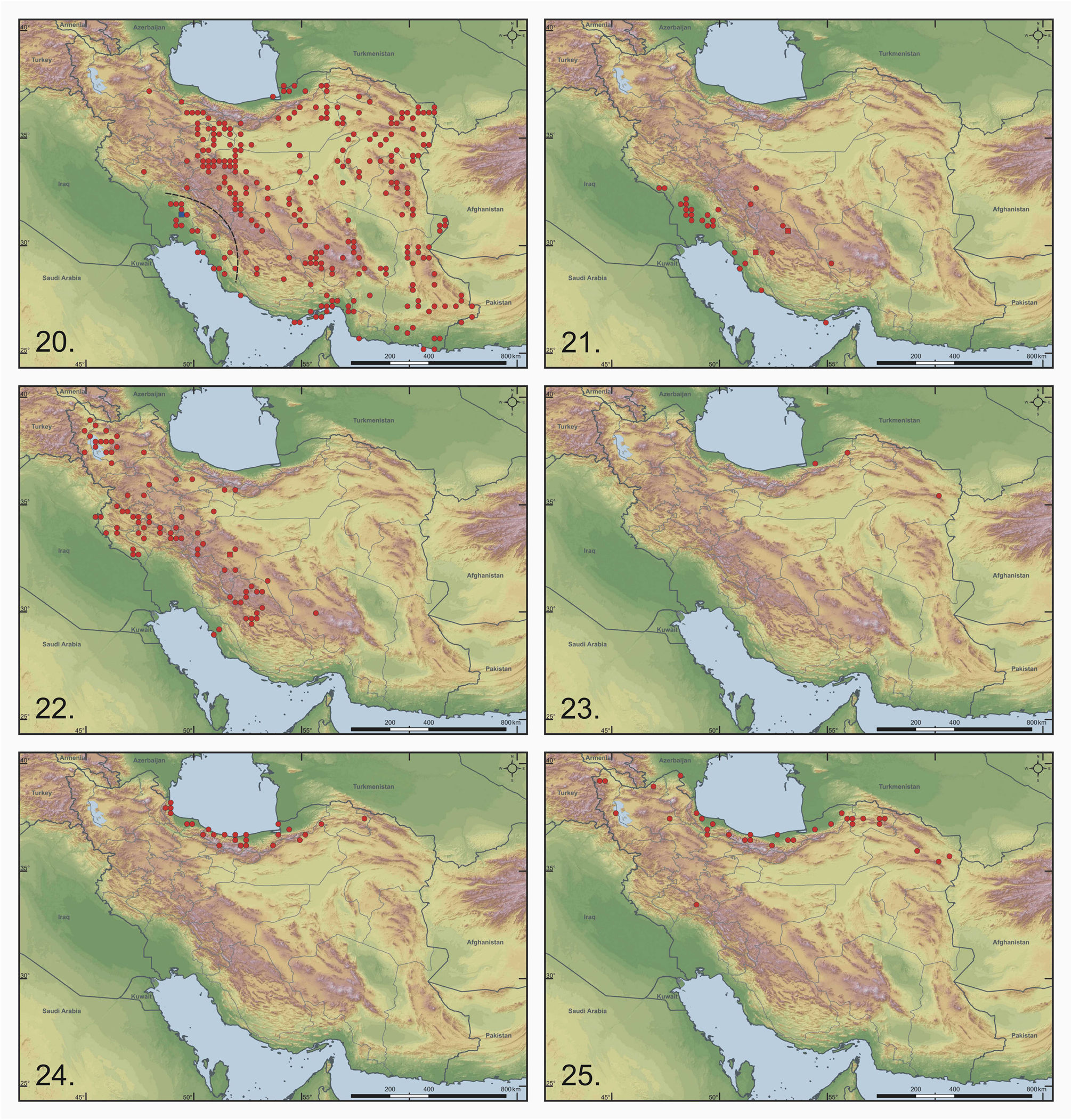
Pseudopus is a genus of anguid lizards that are native to Eurasia. One extant species remains, the sheltopusik, with four fossil species. They are the most robust members of subfamily Anguinae, with the largest species †P. pannonicus growing up to 2 metres in length. The oldest fossils of the group date to the Early Miocene, but there are possible Oligocene records.
Haackgreerius
Haackgreerius is a genus of skink, a lizard in the family Scincidae. The genus Haackgreerius is endemic to coastal Somalia and contains one species.
Psilops
Psilops is a genus of lizards in the family Gymnophthalmidae. They are endemic to Brazil.
Monilesaurus
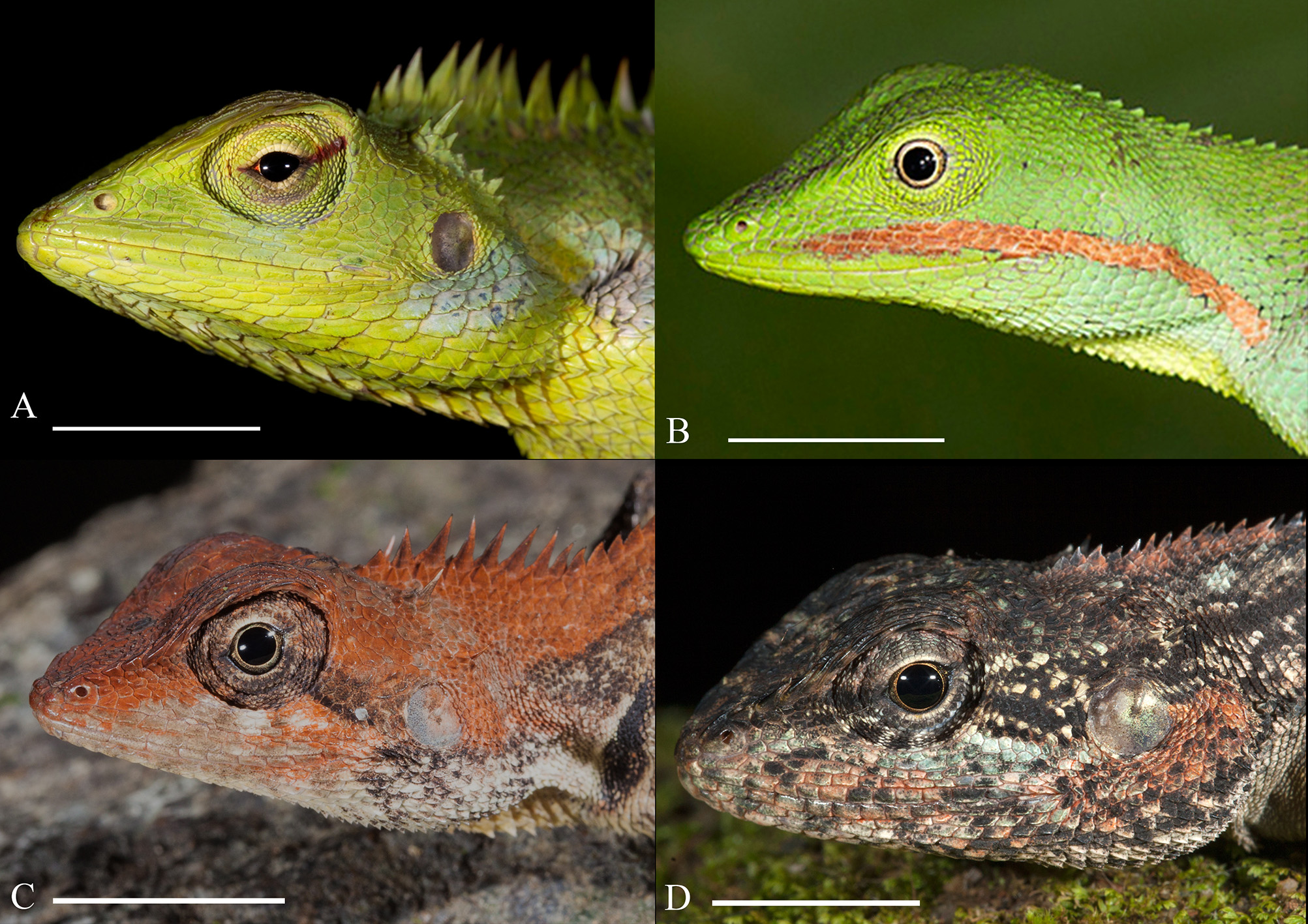
Monilesaurus is a genus of lizards in the draconine clade of the family Agamidae and is a new genus described in 2018. Currently it consists of 4 species, with 2 new species and 2 species split from the genus Calotes.
Afairiguana
Afairiguana avius is an extinct iguanid lizard known from a nearly complete and articulated skeleton discovered in rocks of the Early Eocene-aged Green River Formation of Wyoming, United States. As of the initial description, the skeleton represents the oldest complete iguanian from the Western Hemisphere, and is the oldest representative of the extant iguanid family of anoles, Polychrotidae.
Gongylomorphus
Gongylomorphus is a genus of skinks found in Mauritius. It is represented by only two surviving species.
Flexiseps
Flexiseps is a genus of skinks. They are all endemic to Madagascar. Some taxonomic authorities place the group in the genus Amphiglossus.

Loxopholis
Loxopholis is a genus of lizards in the family Gymnophthalmidae. The genus is endemic to South America.
Protoblepharus
Protoblepharus is a genus of skinks.
Ancylodactylus
Ancylodactylus is a genus of diurnal (day) geckos in the family Gekkonidae. The genus is endemic to Africa. Most of the species in the genus Ancyclodactylus were formerly assigned to the genus Cnemaspis.
Austroablepharus
Austroablepharus is a genus of skinks endemic to Australia.
Dendragama
Dendragama is a genus of lizards in the family Agamidae. The genus is endemic to the Barisan Mountains of Sumatra in Indonesia and is found at altitudes above . Populations of Dendragama were discovered at the northern and southern ends of Sumatra. High genetic distances and concordance of multiple, apparently independent diagnostic characters support the descriptions of these two populations as new species. These species undergo remarkable color change in response to time of day and stress.