Category
page 1Lycopodiaceae

Lycopodium clavatum
species of plant

Lycopodiaceae
The Lycopodiaceae (class Lycopodiopsida, order Lycopodiales) are an old family of vascular plants, including all of the core clubmosses and firmosses, comprising 17 accepted genera and about 500 known species. This family originated about 380 million years ago in the early Devonian, though the diversity within the family has been much more recent. "Wolf foot" is another common name for this family due to the resemblance of either the roots or branch tips to a wolf's paw.

Lycopodium
Lycopodium (from Ancient Greek lykos, wolf and podion, diminutive of pous, foot) is a genus of clubmosses, also known as ground pines or creeping cedars, in the family Lycopodiaceae. Two very different circumscriptions of the genus are in use. In the Pteridophyte Phylogeny Group classification of 2016 (PPG I), Lycopodium is one of nine genera in the subfamily Lycopodioideae, and has from nine to 15 species. In other classifications, the genus is equivalent to the whole of the subfamily, since it includes all of the other genera. More than 40 species are accepted.

Lycopodium annotinum
species of plant

Lycopodiella inundata
species of plant

Lycopodiella
Lycopodiella is a genus in the clubmoss family Lycopodiaceae. The genus members are commonly called bog clubmosses, describing their wetland habitat. In the past, the genus was often incorporated within the related genus Lycopodium, but was segregated in 1964. In the Pteridophyte Phylogeny Group classification of 2016 (PPG I), Lycopodiella is placed in the subfamily Lycopodielloideae, along with three other genera. In this circumscription, the genus has about 15 species. Other sources use a wider circumscription, in which the genus is equivalent to the Lycopodielloideae of PPG I, in which case
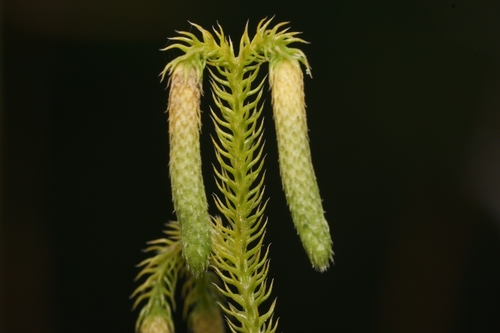
Palhinhaea
Palhinhaea is a genus of lycophytes in the family Lycopodiaceae. In the Pteridophyte Phylogeny Group classification of 2016 (PPG I), it is placed in the subfamily Lycopodielloideae. Some sources do not recognize the genus, sinking it into Lycopodiella. Palhinhaea species are widespread in the tropics and subtropics.
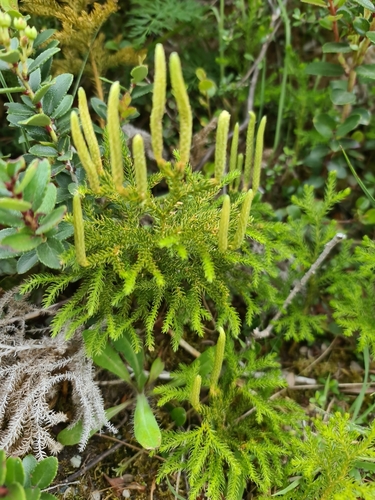
Austrolycopodium
Austrolycopodium is a genus of lycophytes in the family Lycopodiaceae. In the Pteridophyte Phylogeny Group classification of 2016 (PPG I), it is placed in the subfamily Lycopodioideae. Some sources do not recognize the genus, sinking it into Lycopodium. Austrolycopodium species are mostly native to the temperate southern hemisphere.
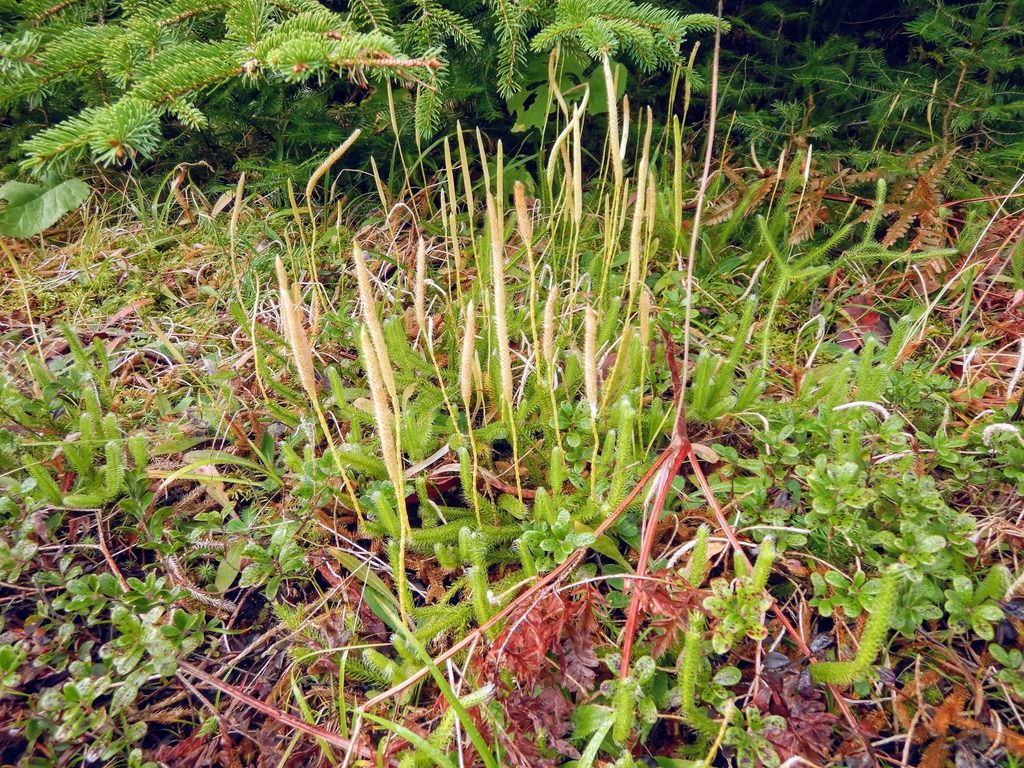
Lycopodium lagopus
species of plant

Palhinhaea cernua
species of clubmoss

Pseudolycopodiella
Pseudolycopodiella is a genus of non-seed plants in the Lycopodiaceae, long considered part of Lycopodium, but now recognized as a separate genus. It has 10–14 recognized species, only one in North America: Pseudolycopodiella caroliniana.
Pseudolycopodiella caroliniana
species of plant
Phylloglossum
Phylloglossum, a genus in the clubmoss family Lycopodiaceae, is a small plant superficially resembling a tiny grass plant, growing with a rosette of slender leaves 2–5 cm long from an underground bulb-like root. It has a single central stem up to 5 cm tall bearing a spore-producing cone at the apex, and was previously classified variously in the family Lycopodiaceae or in its own family the Phylloglossaceae, but recent genetic evidence demonstrates it is most closely related to the genus Huperzia and is a sister clade to the genus Phlegmariurus, which was formerly included in Huperzi
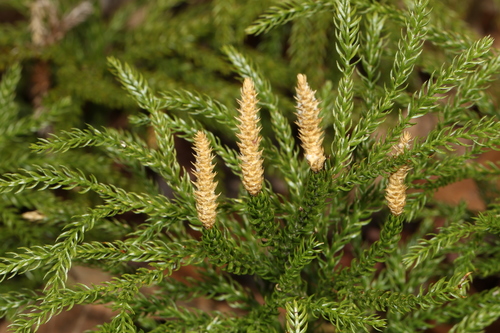
Dendrolycopodium
The genus Dendrolycopodium is a clubmoss genus in the family Lycopodiaceae. In the Pteridophyte Phylogeny Group classification of 2016 (PPG I), it is placed in the subfamily Lycopodioideae. Some sources do not recognize the genus, sinking it into Lycopodium. It is treated as section Obscura when retained within Lycopodium. The genus includes a discrete group of plants with similar morphologies. All have erect to semi-erect, branched stems.
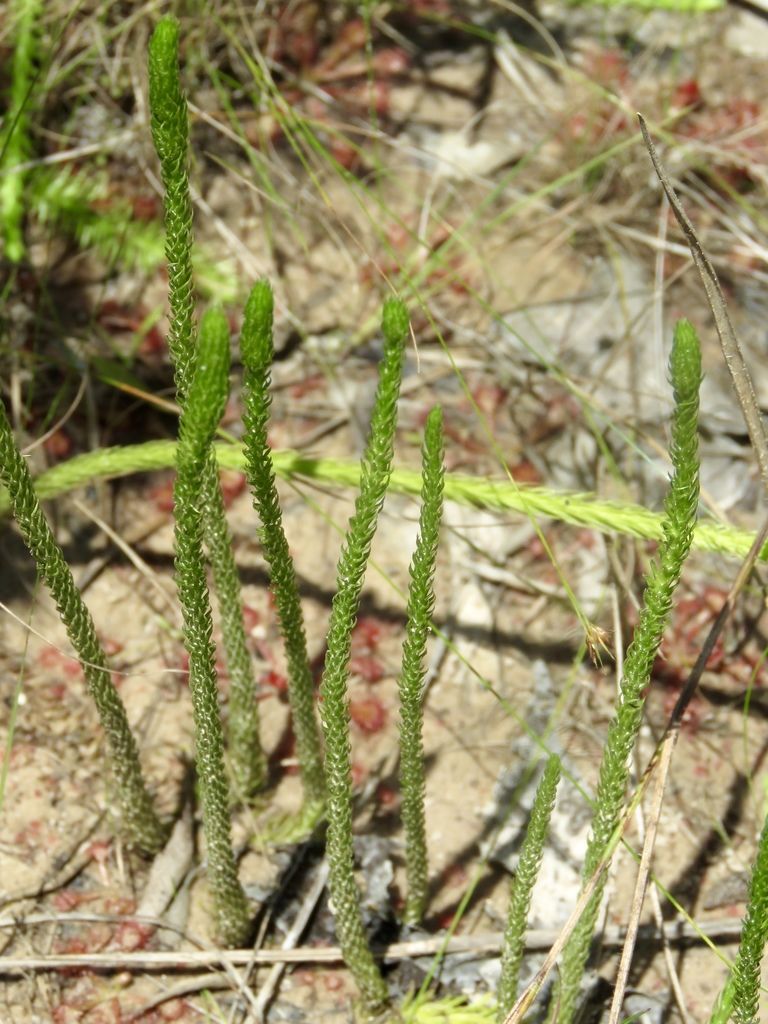
Lycopodiella appressa
species of plant

Spinulum
Spinulum is a genus of club mosses in the family Lycopodiaceae. In the Pteridophyte Phylogeny Group classification of 2016 (PPG I), it is placed in the subfamily Lycopodioideae. Some sources do not recognize the genus, sinking it into Lycopodium. Spinulum annotinum is widespread in the temperate Northern Hemisphere.

Diphasium
Diphasium is a genus of lycophytes in the family Lycopodiaceae. In the Pteridophyte Phylogeny Group classification of 2016 (PPG I), it is placed in the subfamily Lycopodioideae. Some sources do not recognize the genus, sinking it into Lycopodium, others include it in Diphasiastrum. Diphasium species are mostly native to the temperate southern hemisphere, but extend northwards into Central America and the Caribbean.

Lycopodium japonicum
species of plant

Austrolycopodium fastigiatum
species of plant
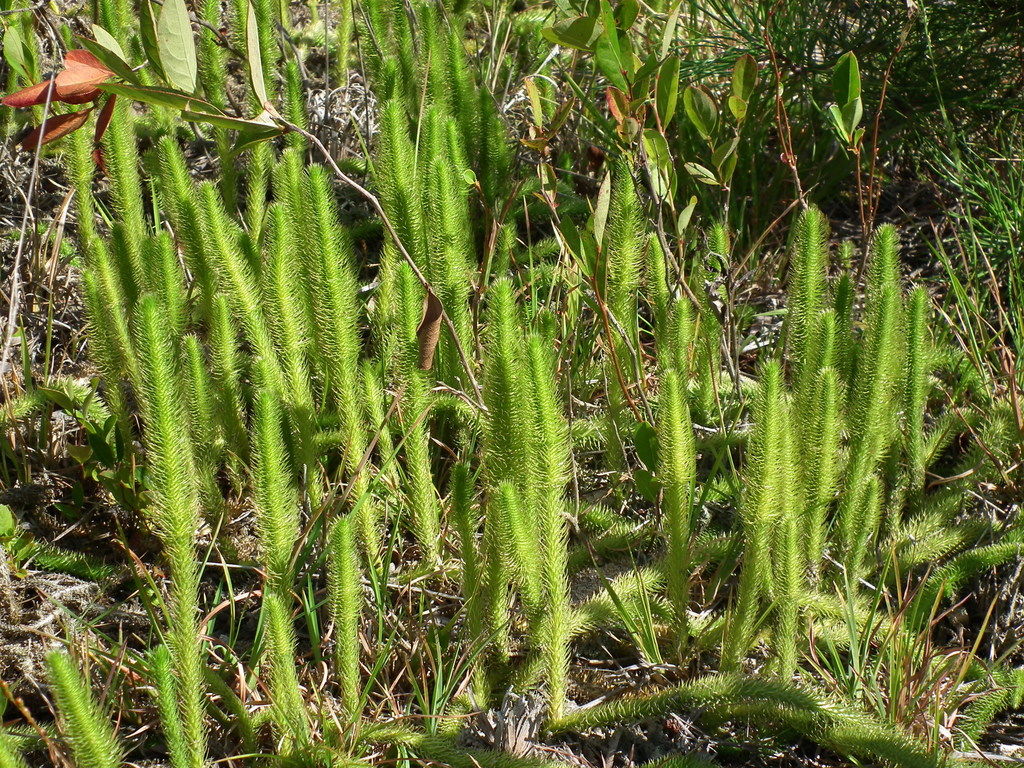
Lycopodiella alopecuroides
species of plant

Lateristachys
Lateristachys is a genus of lycophytes in the family Lycopodiaceae. In the Pteridophyte Phylogeny Group classification of 2016 (PPG I), it is placed in the subfamily Lycopodielloideae. Some sources do not recognize the genus, sinking it into Lycopodiella. Lateristachys species are native to the Philippines, Australia and New Zealand.

Austrolycopodium magellanicum
species of plant
Dendrolycopodium obscurum
species of plant

Diphasium scariosum
species of plant
Huperzioideae
Huperzioideae is a subfamily of lycopsids in the family Lycopodiaceae. It has sometimes been recognized as a separate family, Huperziaceae. The Pteridophyte Phylogeny Group classification of 2016 (PPG I) recognizes three extant genera:
Huperzia (temperate firmosses); about 25 species; terrestrial.
Phlegmariurus (tropical firmosses); about 250 species; previously included in Huperzia; mainly epiphytes.
Phylloglossum (pygmy clubmoss); formerly thought to be only distantly related to Huperzia. This is a terrestrial, grass-like plant with basal, 2–5 cm long, fleshy leaves. The only accepte
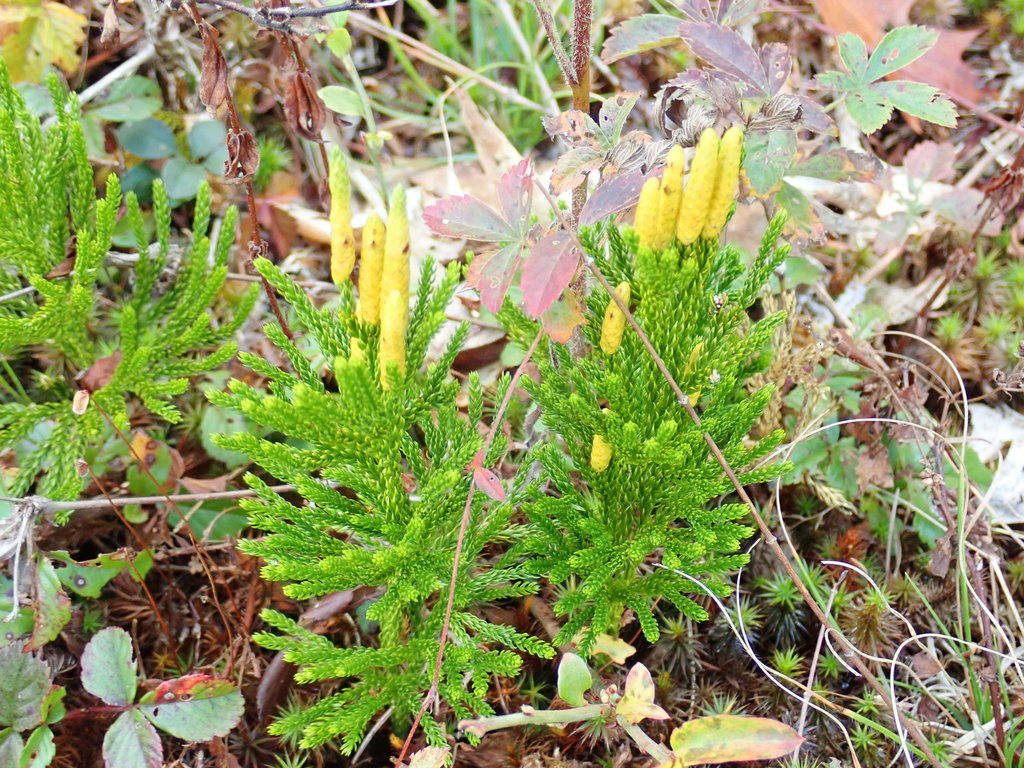
Dendrolycopodium hickeyi
species of plant
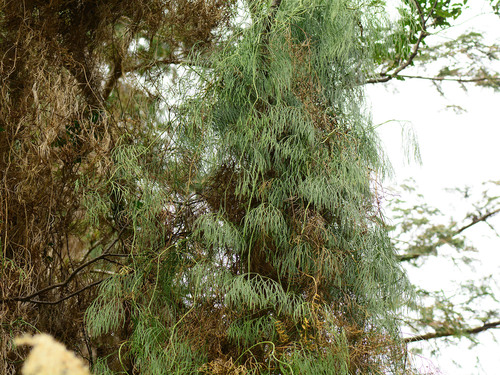
Lycopodiastrum
Lycopodiastrum is a genus of lycophyte in the family Lycopodiaceae with only one species, Lycopodiastrum casuarinoides. In the Pteridophyte Phylogeny Group classification of 2016 (PPG I), the genus is placed in the subfamily Lycopodioideae. Some sources do not recognize the genus, sinking it into Lycopodium. Lycopodiastrum casuarinoides is native to south-eastern Asia, from Tibet through China to Japan in the north, and from Sumatra to Sulawesi in the south.
Lycopodioideae
Lycopodioideae is a subfamily in the family Lycopodiaceae in the Pteridophyte Phylogeny Group classification of 2016 (PPG I). It is equivalent to a broad circumscription of the genus Lycopodium in other classifications. Like all lycophytes, members of the Lycopodioideae reproduce by spores. The oldest fossils of modern members of the subfamily date to the Early Cretaceous.