Category
page 1Macroeconomic aggregates

inflation
thumb|upright=1.6|Global rates of inflation in October 2025 among International Monetary Fund members
thumb|upright=1.6|UK and US monthly inflation rates from January 1989
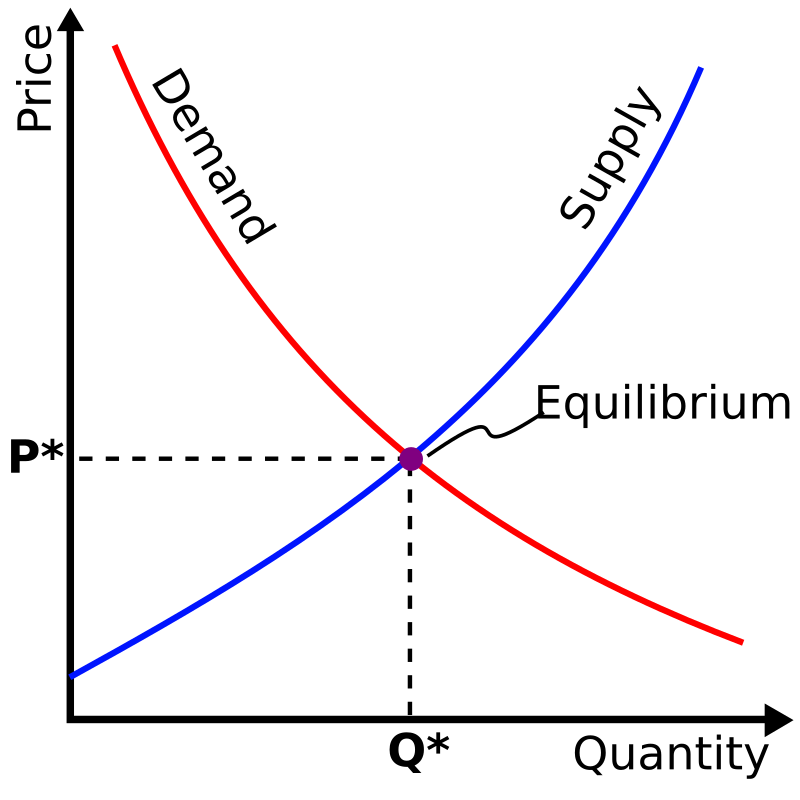
consumption
purchase and use of goods and services
aggregate demand
total amount of demand for goods and services in an economy
aggregate supply
economic concept
effective demand
demand in a constrained marketplace
potential output
type of potential
national wealth
output
quantity of goods or services produced in a given time period, by a firm, industry, or country, whether consumed or used for further production
biflation
Biflation (sometimes mixflation, indeflation, or compartflation) is a state of the economy, in which the processes of inflation and deflation occur simultaneously in different parts of the economy. The term was first coined in 2003 by F. Osborne Brown, a senior financial analyst at Phoenix Investment Group, and has later been widely used in the media. During the biflation, there is a simultaneous rise in prices (inflation) for commodities bought out of the basic income (earnings), and a parallel fall in prices (deflation) for goods bought mainly on credit. Biflation may be seen in the CPI comp
Agflation
Agflation (or agrarian inflation) is an economic phenomenon of an advanced increase in the price for food and for industrial agricultural crops when compared with the general rise in prices or with the rise in prices in the non-agricultural sector. The term was increasingly used in the analytical reports, for example, by the investment banks Merrill Lynch in early 2007 and Goldman Sachs in early 2008. They used the term to denote a sharp rise in prices for agricultural products, or, more precisely, a rapid increase in food prices against the background of a decrease in its reserves, a relative
list of countries by total private wealth
Wikimedia list article
real gross domestic product
macroeconomic measure of the value of economic output adjusted for price changes
aggregation problem
difficulty of treating an empirical or theoretical aggregate as if it reacted like a less-aggregated measure