Category
page 1Malaria
malaria
Malaria is a mosquito-borne infectious disease which is transmitted by the bite of Anopheles mosquitoes. Human malaria causes symptoms that typically include fever, fatigue, vomiting, and headaches; in severe cases, it can cause jaundice, seizures, coma, or death. Symptoms usually begin 10 to 15 days after being bitten by an infected Anopheles mosquito. If not properly treated, people may have recurrences of the disease months later. Those who survive an infection develop partial immunity, being susceptible to reinfection although with milder symptoms. This partial resistance disappears over m

DDT
Dichlorodiphenyltrichloroethane (DDT) is a colorless, tasteless, and almost odorless crystalline chemical compound, an organochloride. Originally developed as an insecticide, it became infamous for its environmental impacts. DDT was first synthesized in 1874 by the Austrian chemist Othmar Zeidler. DDT's insecticidal action was discovered by the Swiss chemist Paul Hermann Müller in 1939. DDT was used in the second half of World War II to limit the spread of the insect-borne diseases malaria and typhus among civilians and troops. Müller was awarded the Nobel Prize in Physiology or Medicine in 19
.jpg)
Anopheles
Anopheles () is a genus of mosquito first described by the German entomologist J. W. Meigen in 1818, and are known as nail mosquitoes and marsh mosquitoes. Many such mosquitoes are vectors of the parasite Plasmodium, a genus of protozoans that cause malaria in birds, reptiles, and mammals, including humans. The Anopheles gambiae mosquito is the best-known species of marsh mosquito that transmits the Plasmodium falciparum, which is a malarial parasite deadly to human beings; no other mosquito genus is a vector of human malaria.

Plasmodium
Plasmodium is a genus of unicellular eukaryotes that are obligate parasites of vertebrates and insects. The life cycles of Plasmodium species involve development in a blood-feeding insect host which then injects parasites into a vertebrate host during a blood meal. Parasites grow within a vertebrate body tissue (often the liver) before entering the bloodstream to infect red blood cells. The ensuing destruction of host red blood cells can result in malaria. During this infection, some parasites are picked up by a blood-feeding insect (mosquitoes in majority cases), continuing the life cycle.

Plasmodium falciparum
species of malaria parasite

Plasmodium vivax
species of malaria parasite
World Malaria Day
international observance commemorated every year on 25 April that recognizes global efforts to control malaria
malaria vaccine
vaccine that is used to prevent malaria

RTS,S
thumb|A poster advertising trials of the RTS,S vaccine
RTS,S/AS01 (trade name Mosquirix) is a recombinant protein-based malaria vaccine. It is one of two malaria vaccines approved (the other is R21/Matrix-M). , the vaccine has been given to 1million children living in areas with moderate-to-high malaria transmission, with millions more doses to be provided as the vaccine's production expands. 18 million doses have been allocated for 2023–2025. It requires at least three doses in infants by age 2, with a fourth dose extending the protection for another 1–2 years. The vaccine reduces hospital ad
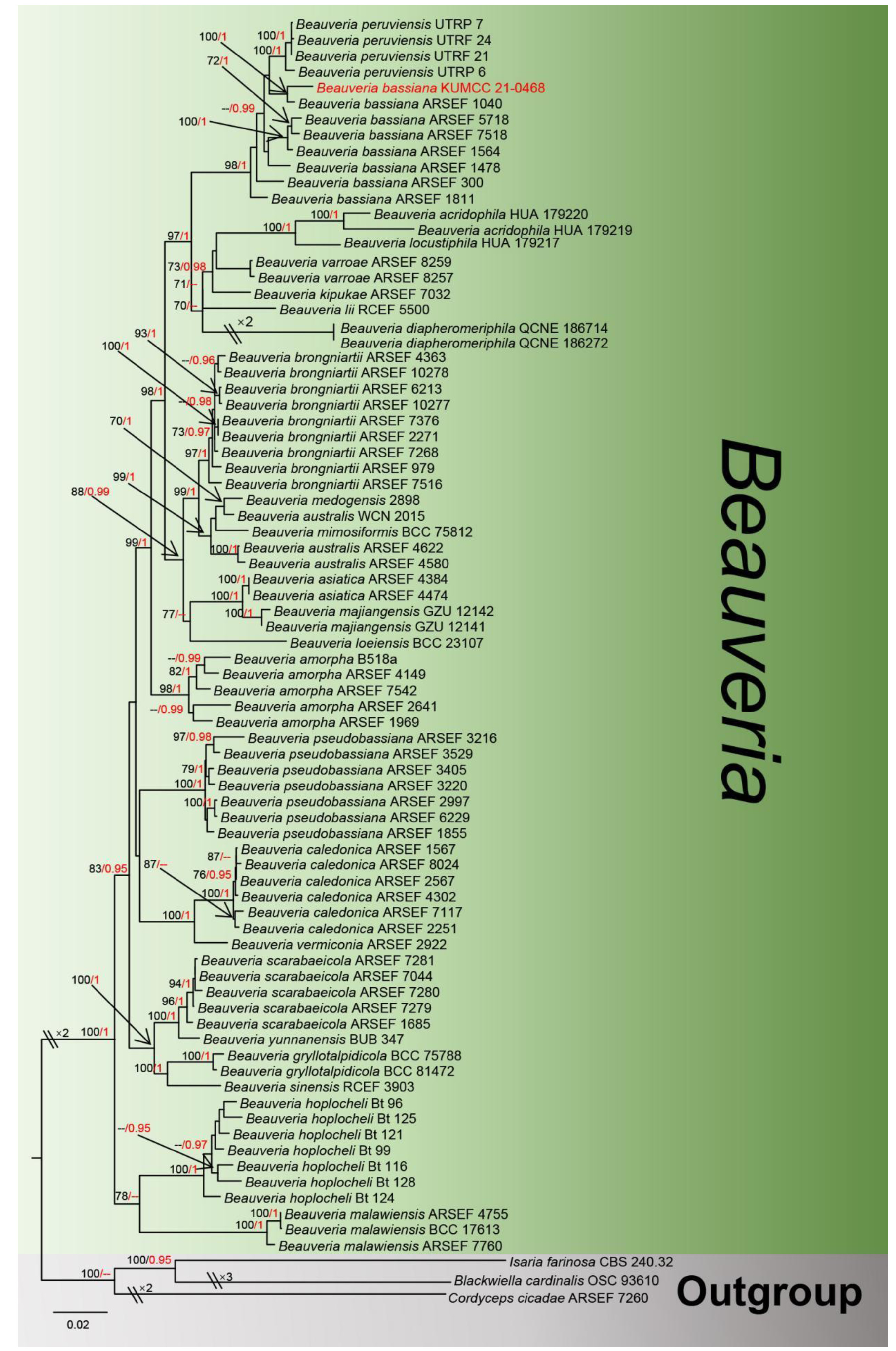
Beauveria bassiana
species of fungus
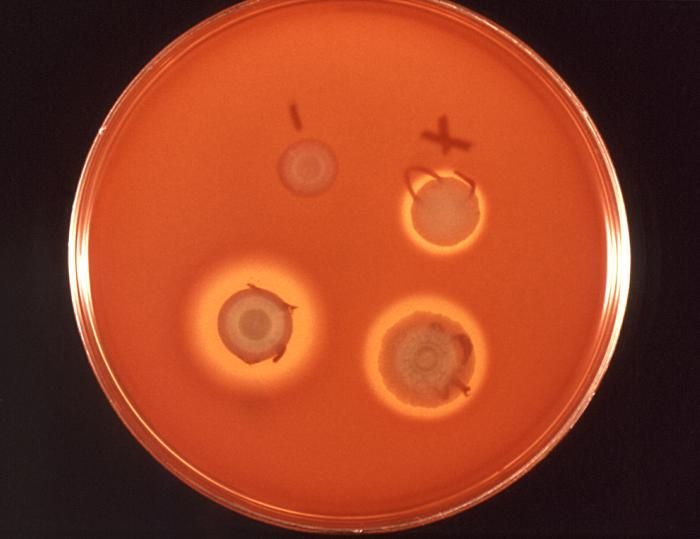
Serratia
Serratia is a genus of Gram-negative, facultatively anaerobic, rod-shaped bacteria of the family Yersiniaceae. They are typically 1–5 μm in length, do not produce spores, and can be found in water, soil, plants, and animals. Some members of this genus produce a characteristic red pigment, prodigiosin, and can be distinguished from other members of the order Enterobacterales by their unique production of three enzymes: DNase (nucA), lipase, and gelatinase (serralysin). Serratia was thought to be a harmless environmental bacteria until it was discovered that the most common species in the g
Malaria antigen detection tests
group of commercially available tests that allow quick diagnosis of malaria

Febris
Febris (), or Dea Febris (), is the Roman goddess of fevers, who embodied, but also protected people from, fever and malaria. Because of this, Febris was a feared goddess whom people wanted the favour of. She does not have a myth of her own nor is she mentioned in a myth. Among her characteristic attributes are "shrewdness" and "honesty", according to Seneca the Younger's Apocolocyntosis.

Anopheles claviger
species of insect
apicoplast
An apicoplast is a derived non-photosynthetic plastid found in most Apicomplexa, including Toxoplasma gondii, and Plasmodium falciparum and other Plasmodium spp. (parasites causing malaria), but not in others such as Cryptosporidium. It originated from algae through secondary endosymbiosis; there is debate as to whether this was a green or red alga. The apicoplast is surrounded by four membranes within the outermost part of the endomembrane system. The apicoplast hosts important metabolic pathways like fatty acid synthesis, isoprenoid precursor synthesis and parts of the heme biosynthetic path
buffy coat
component of blood
harman
Harmane, or harman, also known as 1-methyl-β-carboline, is a heterocyclic amine and β-carboline found in a variety of foods including coffee, sauces, and cooked meat. It is also present in tobacco smoke.
Malaria Control Project
BOINC based volunteer computing project

blackwater fever
human disease

Hemozoin
thumb|250px|right|Plasmodium falciparum hemozoin crystals under [[polarised light.]]
thumb|Plasmodium ovale microgametocyte in Giemsa-stained thin blood film, with annotated [[Schüffner's dots and hemozoin pigment.]]
Haemozoin is a disposal product formed from the digestion of blood by some blood-feeding parasites. These hematophagous organisms such as malaria parasites (Plasmodium spp.), Rhodnius and Schistosoma digest haemoglobin and release high quantities of free heme, which is the non-protein component of haemoglobin. Heme is a prosthetic group consisting of an iron atom contained in the

Anopheles sinensis
species of insect
artesunate/mefloquine
Artesunate/mefloquine is a medication used to treat malaria. It is a fixed dose combination of artesunate and mefloquine. Specifically it is recommended to treat uncomplicated falciparum malaria. It is taken by mouth.
Anopheles dirus
species of insect
Malaria therapy
treatment of dementia paralytica by malaria inoculation
history of malaria
aspect of history
mosquito control
efforts to reduce health risks from mosquitoes
intermittent fever
symptom
Template:Malaria
Wikimedia template
Dmitri Leonidovich Romanowsky
Russian physician
Schüffner's dots
clinical sign
Drugs for Neglected Diseases Initiative
organization
malaria prophylaxis
preventive treatment of malaria
genetic resistance to malaria
human disease