Category
page 1Malvales families

Malvaceae
Malvaceae (), or the mallows, is a family of flowering plants estimated to contain 244 genera with 4225 known species. Well-known members of economic importance include cacao, cola, cotton, okra, roselle and durian. There are also some genera containing familiar ornamentals, such as Alcea (hollyhock), Malva (mallow), and Tilia (lime or linden tree). The genera with the largest numbers of species include Hibiscus (434 species), Pavonia (291 species), Sida (275 species), Ayenia (216 species), Dombeya (197 species), and Sterculia (181 species).
%20close-up%20(11421758284).jpg)
Thymelaeaceae
The Thymelaeaceae are a cosmopolitan family of flowering plants composed of 50 genera (listed below) and 898 species. It was established in 1789 by Antoine Laurent de Jussieu. The Thymelaeaceae are mostly trees and shrubs, with a few vines and herbaceous plants, the latter including some annual species.

Dipterocarpaceae
Dipterocarpaceae is a family of flowering plants with 22 genera and about 695 known species of mainly lowland tropical forest trees. Their distribution is pantropical, from northern South America to Africa, the Seychelles, India, Indochina, Indonesia, Malaysia and Philippines. The greatest diversity of Dipterocarpaceae occurs in Borneo.

Cistaceae
The Cistaceae are a small family of plants (the rock-rose or rockrose family), mostly shrubs, which are profusely covered by flowers in the spring and summer. This family consists of about 170-200 species in eight genera that are not very distinct, distributed primarily in the temperate areas of Europe and the Mediterranean basin, but also found in North America; a limited number of species are found in South America. Most Cistaceae are subshrubs and low shrubs, and some are herbaceous. They prefer dry and sunny habitats. Cistaceae grow well on poor soils, and many of them are cultivated in ga

Bixaceae
The Bixaceae are a family of dicotyledonous plants commonly called the achiote family. Under the Cronquist system, the family was traditionally placed in the order Violales. However, newer arrangements move it, with some other families previously in the Violales, into the Malvales.
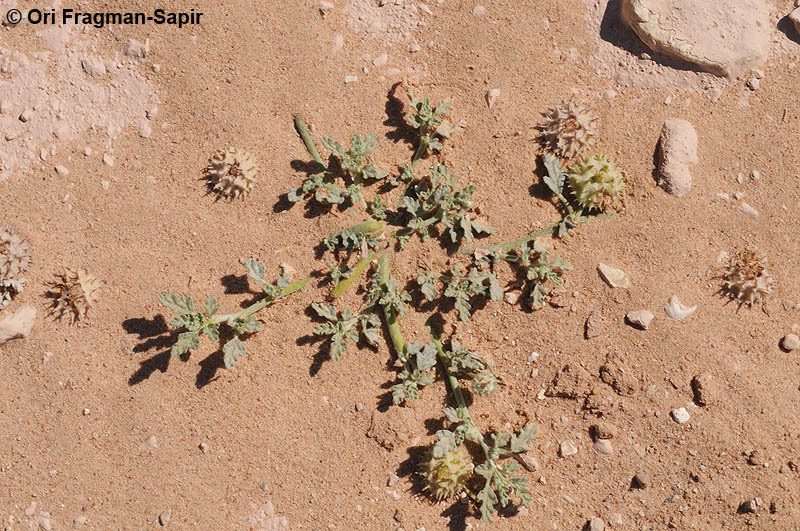
Neuradaceae
The Neuradaceae are a family of flowering plant, comprising three genera — Grielum, Neurada and Neuradopsis — totalling ten known species.

Muntingiaceae
The Muntingiaceae are a family of flowering plants, belonging to the rosid order Malvales. The family consists of three genera: Dicraspidia, Muntingia, and Neotessmannia, each with a single species. They are woody plants of the tropical regions of America. The older Cronquist system placed these genera in the family Tiliaceae, with which they share morphological similarities, but have no evolutionary affinity. Muntingia calabura is widely introduced in tropical regions, because of its edible fruit. Dicraspidia donnell-smithii and Neotessmannia uniflora are the other two species in the family,
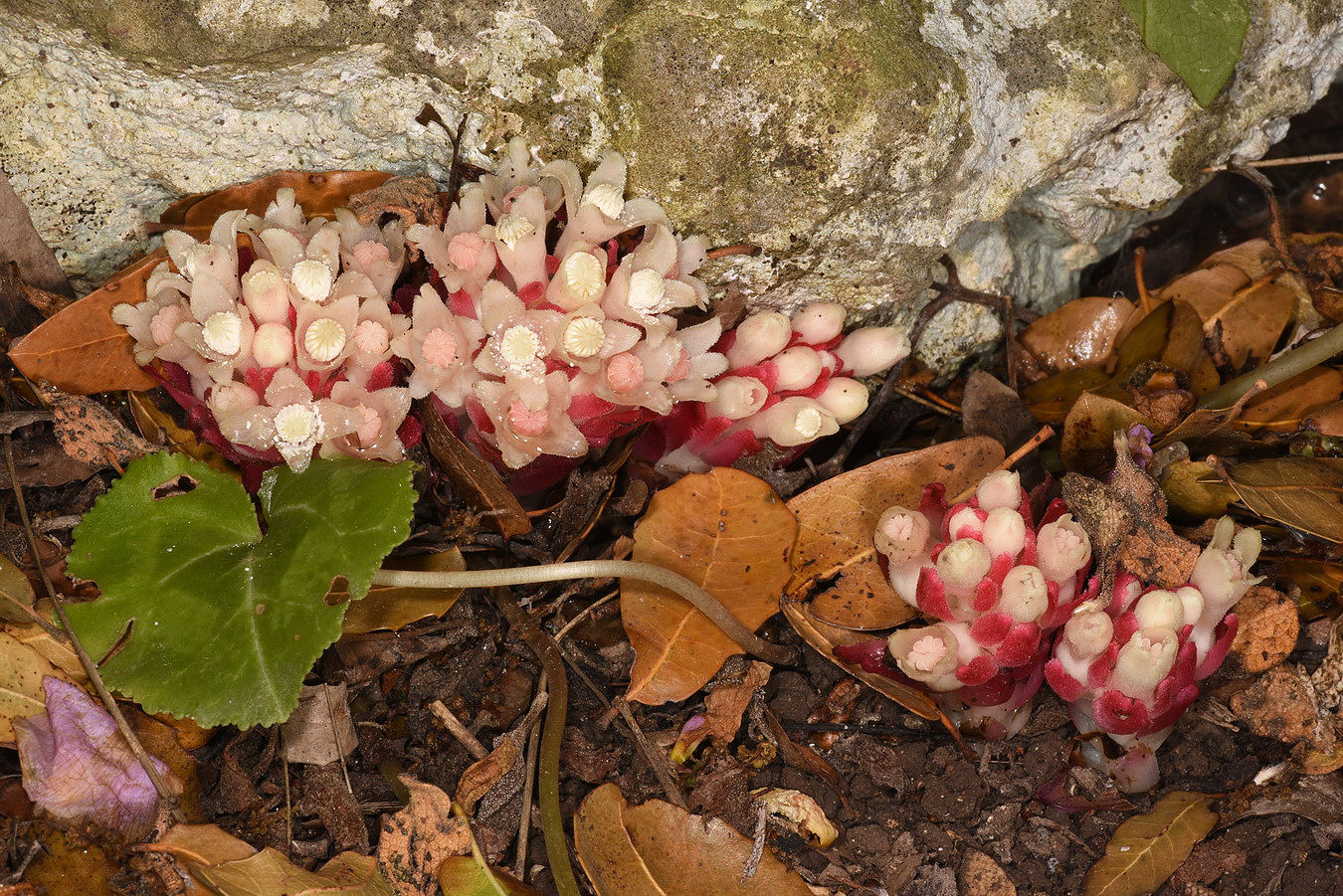
Cytinaceae
Cytinaceae is a family of parasitic flowering plants. It comprises two genera, Cytinus and Bdallophytum, totalling ten species.
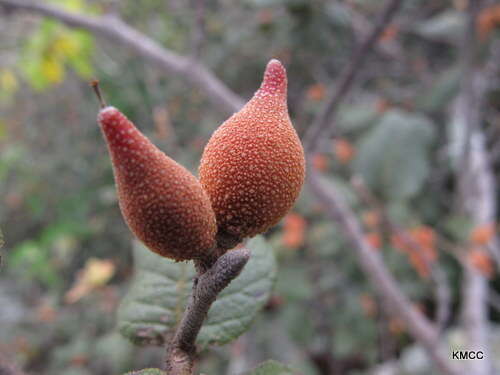
Sarcolaenaceae
The Sarcolaenaceae are a family of flowering plants endemic to Madagascar. The family includes 79 species of mostly evergreen trees and shrubs in ten genera.
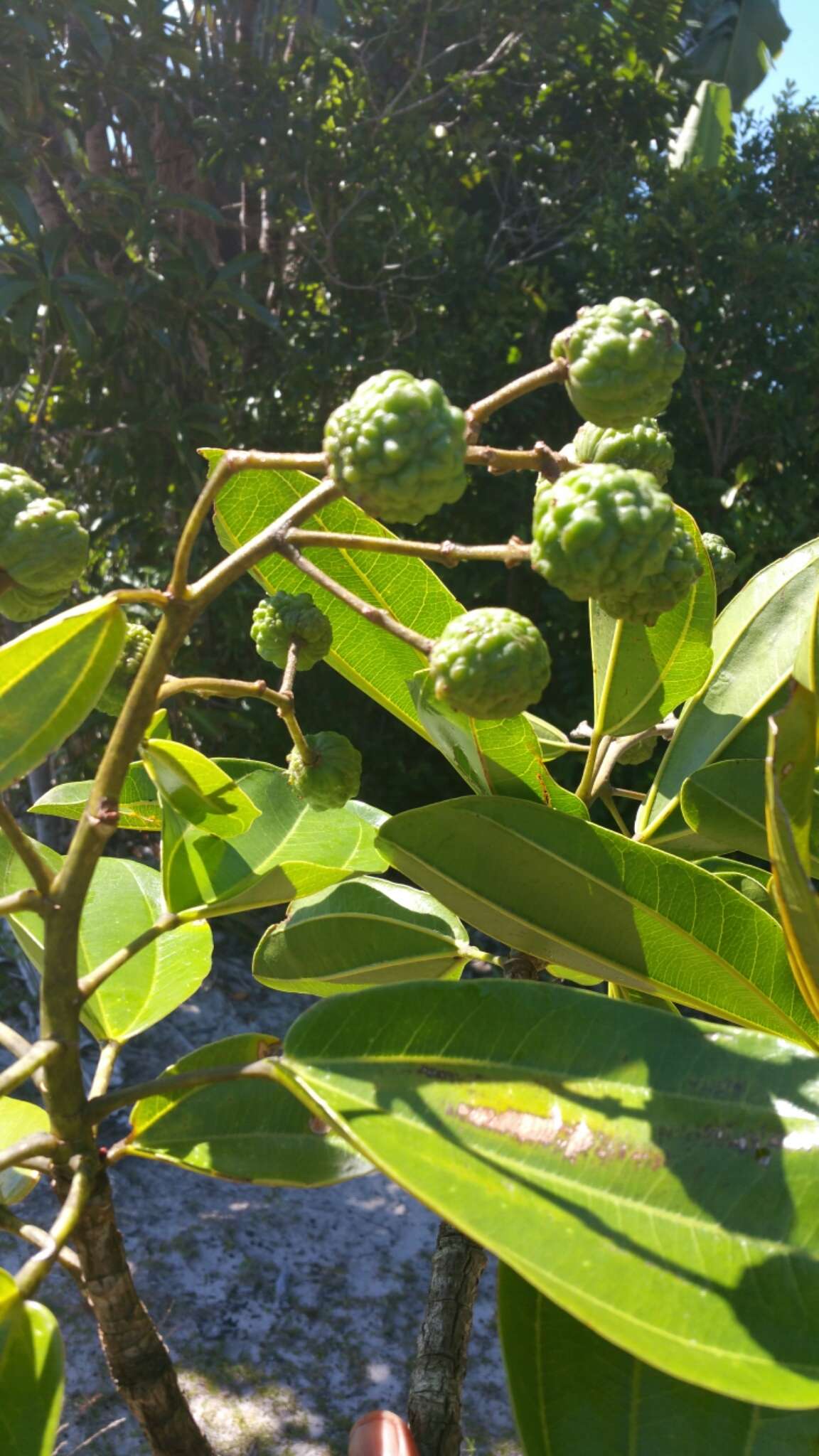
Sphaerosepalaceae
The Sphaerosepalaceae are a family of flowering plants including 14 species of trees and shrubs in two genera, Dialyceras and Rhopalocarpus, all of which are endemic to Madagascar. The family has previously been recognized as Rhopalocarpaceae.

Bombacaceae
thumb|Bombax ceiba flower

Sterculiaceae
Sterculiaceae was a family of flowering plant based on the genus Sterculia. Genera formerly included in Sterculiaceae are now placed in the family Malvaceae, in the subfamilies: Byttnerioideae, Dombeyoideae, Helicteroideae and Sterculioideae.

Tiliaceae
thumb|Tilia cordata