Category
page 1Maritime history
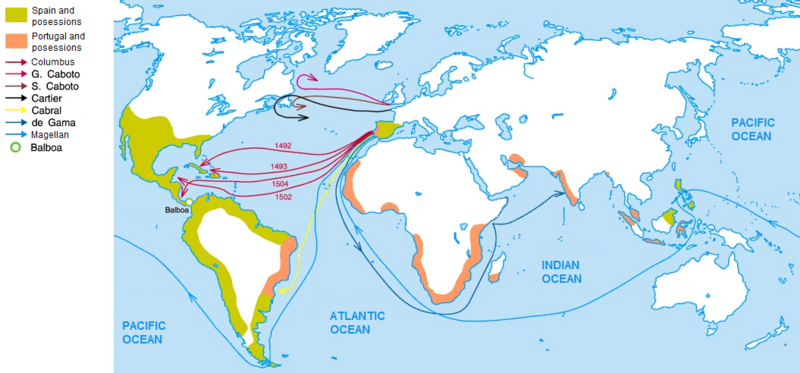
Age of Discovery
period of European global exploration from early 15th century to 17th century

thalassocracy
thumb|Ancient Carthage from about 323 BCE, an example of a thalassocracy.
maritime republics
group of city-states, mostly in Italy, prosperous in the Middle ages
law of the sea
international law concerning maritime environments
maritime archaeology
archaeological study of human interaction with the sea
sea shanty
work song sung to accompany labor on board large merchant sailing vessels
Age of Sail
era dominated by sailing vessels out at sea
women and children first
unofficial maritime code of conduct
flintlock mechanism
A gunlock mechanism that uses a piece of flint to strike against a peice of steel which produces sparks to ignite the priming powder of a flintlock firearm
ship's cat
cat carried on ships for many reasons, most importantly to control rodents
maritime history
study of human activity at sea

scuttling
thumb|right|upright=0.590|The Monument to the Sunken Ships, dedicated to ships destroyed during the siege of Sevastopol during the [[Crimean War, designed by Amandus Adamson]]

scrimshaw
thumb|American whaling ships, scrimshaw on whale tooth, c. 1800
Scrimshaw is scrollwork, engravings, and carvings done in bone or ivory. Typically it refers to the artwork created by whalers, engraved on the byproducts of whales, such as bones or cartilage. It is most commonly made out of the bones and teeth of sperm whales, the baleen of other whales, and the tusks of walruses.
ship chandler
a retail dealer who specialises in supplies or equipment for ships

Clipper route
sailing route around the world
Portuguese India Armadas
fleets used to trade with India
Shahbandar
Shahbandar (), was an official of the ports in Safavid Persia and one also known on other shores of the Indian Ocean. The Shahbandar (Port Master) was in charge of the traders and the collection of taxes.
history of navigation
history of seamanship
history of submarines
aspect of history
Great Tea Race of 1866
maritime race from China to London
European maritime exploration of Australia
aspect of history
Sea lines of communication
primary maritime routes between ports, used for trade, logistics and naval forces
Exploration of North America
maritime power
military power over the oceans
sailor tattoos
nautical tradition of body art
Ancient maritime history
early sailers
European and American voyages of scientific exploration
period of history concerning research-driven expeditions between the late 17th and early 20th century
naval stores
shipbuilding term