Category
page 1Marriage in Hinduism

Sindoor
thumb|A traditional vermilion red or orange-red colored cosmetic powder
thumb|Sindoor daan in Bengali Hindu wedding
thumb|'Sindhooram charthal' ceremony in Malayali Hindu wedding, [[Kerala]]
Sindoor (, ) or sindura (,) is a traditional vermilion red or orange-red or maroon cosmetic powder from South Asia, usually worn by married women along the part of their hairline. In Hindu communities, the sindoor is considered auspicious and is a visual marker of marital status of a woman and ceasing to wear it usually implies widowhood.

Svayamvara
thumb|The Svayaṃvara ceremony of princess Damayantī, by [[Nandalal Bose]]
Svayaṃvara ( ) is a matrimonial tradition in ancient Indian society where a bride, usually from Kṣatriya (warrior) caste, selects her husband from a group of assembled suitors either by her own choice or a public contest between her suitors. This practice is mainly featured in the two major Sanskrit epics, the Mahābhārata and the Rāmāyaṇa, though its prevalence and portrayal vary significantly between them.
Tulsi Vivah
ceremonial marriage of the Tulsi plant (holy basil) to the Hindu god Vishnu or his Avatar Krishna
Hindu Marriage Act, 1955
act by Indian parliament governing Marriages & Divorce applicable to Hindus, Buddhists, Jains, and Sikhs
a.jpg)
Kumkum
thumb|Kumkuma powder from Mysore, India.
Hindu wedding
marriage rituals in the Hindu culture
marriage in Hinduism
overview about marriage in Hinduism
Niyoga
Niyoga () was a Hindu practice, primarily followed during the ancient period, in the Indian subcontinent. Niyoga permitted widows or wives who had no child by their husband to procreate with another man. The purpose of niyoga was to ensure the continuation of the family lineage and to mitigate the financial and social precariousness that a childless widow would have faced in society. Niyoga was forbidden in Kali Yuga by Rishi Brhaspati and other Manusmriti writers. It has been held that niyoga is not akin to polyandry. Sir Henry Maine thinks that Niyoga is of a later date than the Levirate mar
Vivaah
REDIRECT Hindu wedding
Gandharva marriage
One of the eight hindu marriage styles
Baraat
right|220px|thumb|An Indian Hindu wedding procession, baraat, with the bridegroom on a horse, led by a brass band, [[Pushkar, Rajasthan.]]
Baraat, also known as Varayatra, is a groom's wedding procession among Hindu communities in the Indian subcontinent. In the tradition, the groom has to travel to the wedding venue (often the bride's house) accompanied by his family members and friends.
Kalyanasundara
thumb|280x280px|Depiction of Kalyanasundara, Ellora caves.
Bengali Hindu wedding
Bengali Hindu wedding refers to the traditional Bengali cultural wedding
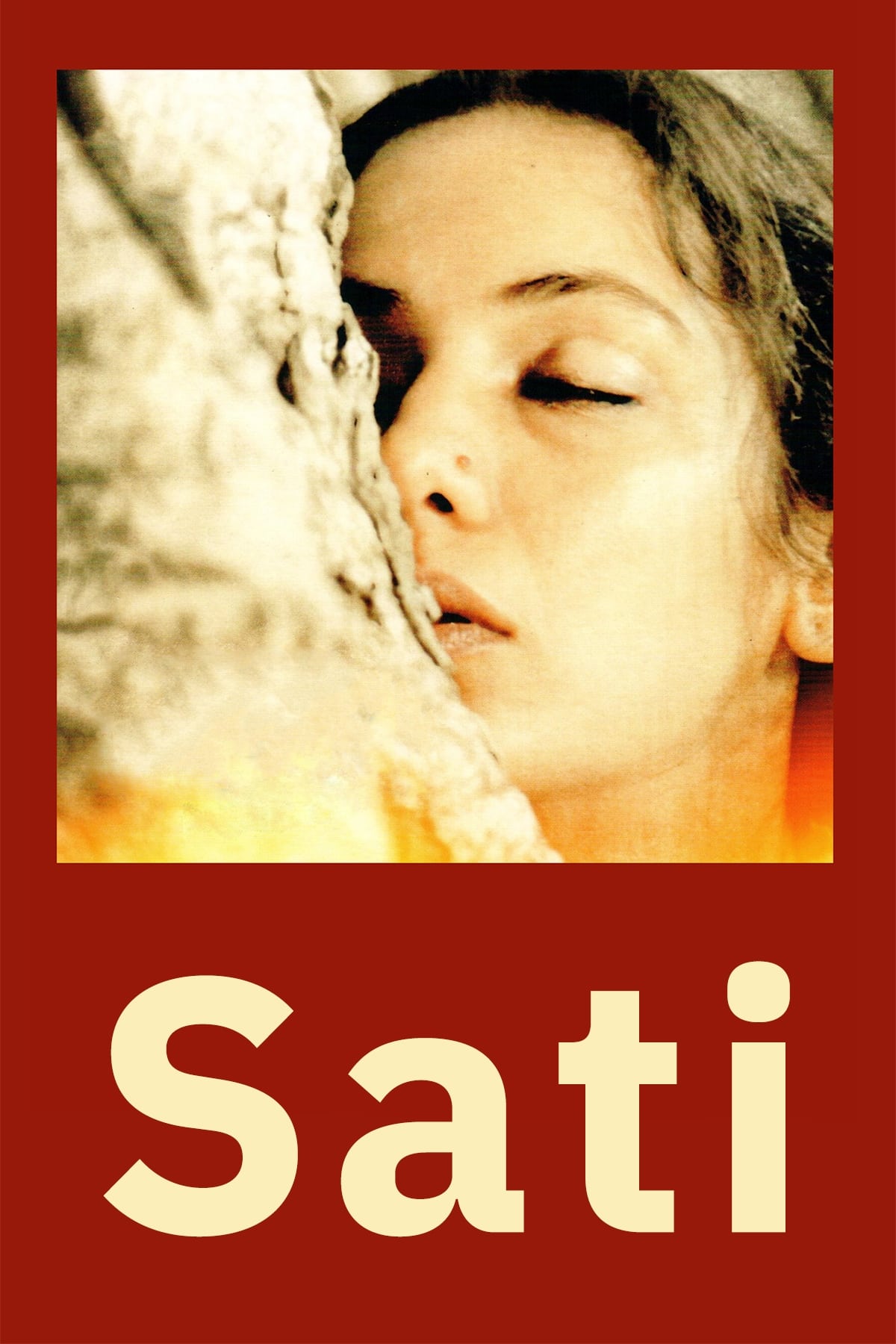
Sati
1989 film by Aparna Sen
chura
bride's adornment traditional in Punjab
Hindu marriage laws in Pakistan
federal Law governing Hindu marriages in Pakisthan
Ululudhvani
Ululudhvani (also known as Jokara, 'Uruli, Hula Huli or Hulu Huli') is a tradition in Assam, Bengal, Odisha, Kerala and Tamil Nadu, where during weddings and other festivals, women ululate. It symbolizes festivity and prosperity. It is performed heavily in the Durga Puja and Kali Puja festivities in Bengal.
Pativrata
thumb|Savitri and Satyavan|Savitri is described as an ideal pativrata, depicted here rescuing her husband Satyavan's life from the god of death, Yama.
Pativrata () is a term used in Hinduism to refer to the conjugal fidelity of a woman towards her husband. It also refers to the term used to refer to a married woman who is faithful and dutiful to her husband.