Category
page 1Mass production
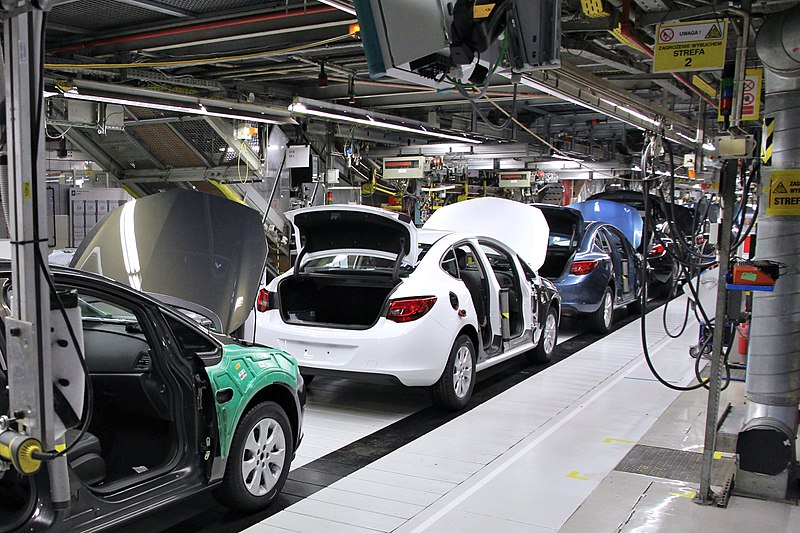
automotive industry
range of organizations associated with motor vehicles, such as automobiles, trucks and motorcycles

food industry
type of industry; collective of diverse businesses that supplies much of the world's food

plastic bag
type of container made of thin, flexible, plastic film, nonwoven fabric, or plastic textile

mass production
high-volume production of standardized products

Second Industrial Revolution
phase of rapid industrialization in the final third of the 19th century and the beginning of the 20th
assembly line
manufacturing technology where an unfinished product is moved from workstation to workstation where work steps are performed or parts are added in sequence until the product is complete
vertical integration
business arrangement in which the supply chain of a company is owned by that company

sweatshop
thumb|right|upright=1.25|A sweatshop in the United States c. 1890
A sweatshop or sweat factory is a cramped workplace with very poor and/or illegal working conditions, including little to no breaks, inadequate work space, insufficient lighting and ventilation, or uncomfortably or dangerously high or low temperatures. The work may be difficult, tiresome, dangerous, climatically challenging, or underpaid. Employees in sweatshops may work long hours with unfair wages, regardless of laws mandating overtime pay or a minimum wage; child labor laws may also be violated. Women make up 85 to 90% of swe
plastic bottle
bottle constructed of plastic
production line
set of sequential operations established in a factory

plastic shopping bag
type of shopping bag
mass market
market for goods produced on a large scale for a significant number of end consumers
Levittowns
thumb|right|Aerial view of Levittown, Pennsylvania |222x222px
Levittown is the name of several large suburban housing developments created in the United States (including one in Puerto Rico) by William J. Levitt and his company Levitt & Sons. Built after World War II for returning white veterans and their new families, the communities offered attractive alternatives to cramped central city locations and apartments. The Veterans Administration and the Federal Housing Administration (FHA) guaranteed builders that qualified veterans could buy housing for a fraction of rental costs. Under Levitt &