Category
page 1Massacres in the Bible

Samson
Samson (; ) was the last of the judges of the ancient Israelites mentioned in the Book of Judges (chapters 13 to 16) and one of the last leaders who "judged" the twelve tribes of Israel before the institution of the monarchy. He is sometimes regarded as an Israelite version of the popular Near Eastern folk hero archetype also embodied by the Sumerian Gilgamesh and Enkidu, as well as the Greek Heracles. Samson was given superhuman powers by God in the form of extreme strength.

Massacre of the Innocents
narrative from the Gospel of Matthew
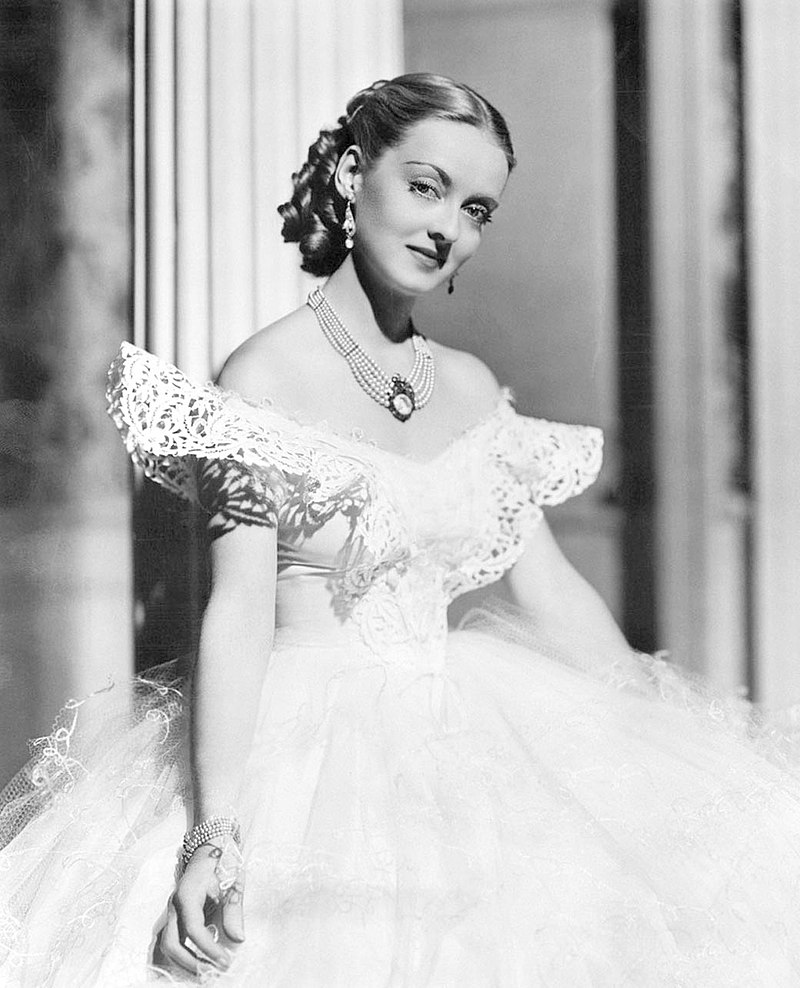
Jezebel
Jezebel () was the daughter of Ithobaal I of Tyre and the wife of Ahab, King of Israel, according to the Book of Kings of the Hebrew Bible (1 Kings 16).

Dinah
In the Book of Genesis, Dinah (; ) was the seventh child and only named daughter of Leah and Jacob. The episode of her rape by Shechem, son of a Canaanite or Hivite prince, and the subsequent revenge of her brothers Simeon and Levi, commonly referred to as the rape of Dinah, is told in Genesis 34.
Abimelech
male human biblical figure in Judges 8:31, king of Shechem
Shamgar
Shamgar, son of Anath ( Šamgar), is the name of one or possibly two individuals named in the Book of Judges. The name occurs twice:
at the first mention, Shamgar is identified as a man who repelled Philistine incursions into Israelite regions, and slaughtered 600 of the invaders with an ox goad (Judges 3:31);
the other mention is within the Song of Deborah, where Shamgar is described as having been one of the prior rulers, in whose days roads were abandoned, with travelers taking winding paths, and village life collapsing (Judges 5:6).

Amalek
thumb|Illustration from Phillip Medhurst Collection depicting Joshua fighting Amalek (Exodus 17).|alt=|upright=1.3
Amalek (; ) was a nation described in the Hebrew Bible as a staunch enemy of the Israelites. The name "Amalek" can refer to the nation's founder, a grandson of Esau; his descendants, the Amalekites; or the territories of Amalek, which they inhabited.

Og
thumb|Og is depicted towering over groups of people in the manuscript painting ''Musa va 'Uj'',
Og ( ; ; ) was, according to the Hebrew Bible and other sources, an Amorite king of Bashan who was slain along with his army by Moses and his men at the battle of Edrei. In Arabic literature he is referred to as ʿŪj ibn ʿAnāq (, "Og son of Anaq"), Anaq being a daughter of Adam in Islamic tradition.
Siege of Jerusalem
Nebuchadnezzar II laid siege to Jerusalem, culminating in the destruction of the city and its temple in the summer of 587 or 586 BC

Ai
Canaanite royal city
Battle of Jericho
legendary battle fought by the Israelites during their conquest of Canaan
Doeg the Edomite
biblical character (First Book of Samuel)
Assyrian captivity
ancient Israelites relocated by the Neo-Assyrian Empire

Nob
place in the vicinity of Jerusalem

Sihon
Sihon was an Amorite king mentioned in the Hebrew Bible, king of Ashtaroth, who refused to let the Israelites pass through his country. Chronicled in Numbers, he was defeated by Moses and the Israelites at the battle of Jahaz. He and Og were said to be the two kings Moses defeated on the east side of the Jordan river.
Micah's Idol
biblical narrative
Hormah
thumb|right
Hormah, also known by its Canaanite name Zephath (Tsfat צפת), is an unidentified city mentioned in the Hebrew Bible in relation to several conflicts between the migrant Israelite people seeking to enter the Promised Land and the Amalekites and the Canaanites who dwelt at that time in southern Canaan.