Category
page 1Medea

Medea
In Greek mythology, Medea (; ; ) is the daughter of King Aeëtes of Colchis. Medea is known in most stories as a sorceress, an accomplished pharmakís, a worker in pharmakeía (medicinal magic), and is often depicted as a high priestess of the goddess Hecate. She is a mythical granddaughter of the sun god Helios and a niece of Circe, an enchantress goddess. Her mother may have been Idyia.

Jason
thumb|upright=1.25|Jason, between the jaws of the dragon which guards the Golden Fleece, is saved by [[Athena. The fleece hangs from a tree behind them. Attic kylix, 480–470 BC, attributed to Douris.]]

femme fatale
stock character; beautiful but mischievous and traitorous woman

Aegeus
thumb|upright=1.3|Theseus Recognized by his Father by Hippolyte Flandrin (1832)
Aegeus (, ; ) was one of the kings of Athens in Greek mythology, who gave his name to the Aegean Sea, was the father of Theseus, and founded Athenian institutions.
Epimenides paradox
logical paradox involving self-reference
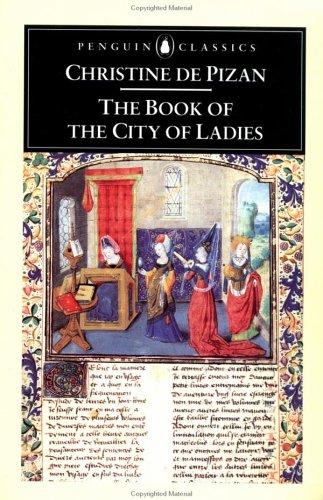
The Book of the City of Ladies
novel by Christine de Pizan
Perses
son of Helios and the Oceanid Perseis
Glauce
mythical character; daughter of Creon in Greek mythology
Medea hypothesis
hypothesis that multicellular life, understood as a superorganism, is suicidal, and that microbial-triggered mass extinctions are attempts to return the Earth to a microbial-dominated state