Category
page 1Medical hygiene

hygiene
thumb|right|Washing one's hands, a form of hygiene, is the most effective way to prevent the spread of infectious diseases.
Hygiene is a set of practices performed to preserve health.
According to the World Health Organization (WHO), "Hygiene refers to conditions and practices that help to maintain health and prevent the spread of diseases." Personal hygiene refers to maintaining the body's cleanliness. Hygiene activities can be grouped into the following: home and everyday hygiene, personal hygiene, medical hygiene, sleep hygiene, and food hygiene. Home and every day hygiene includes hand was

Ignaz Semmelweis
Hungarian physician, early pioneer of antiseptic procedures (1818–1865)

Joseph Lister
British surgeon and antiseptic pioneer (1827–1912)

social distancing
reduction of human social interaction in an effort to prevent the spread of infectious disease

hand washing
act of cleaning one's hands
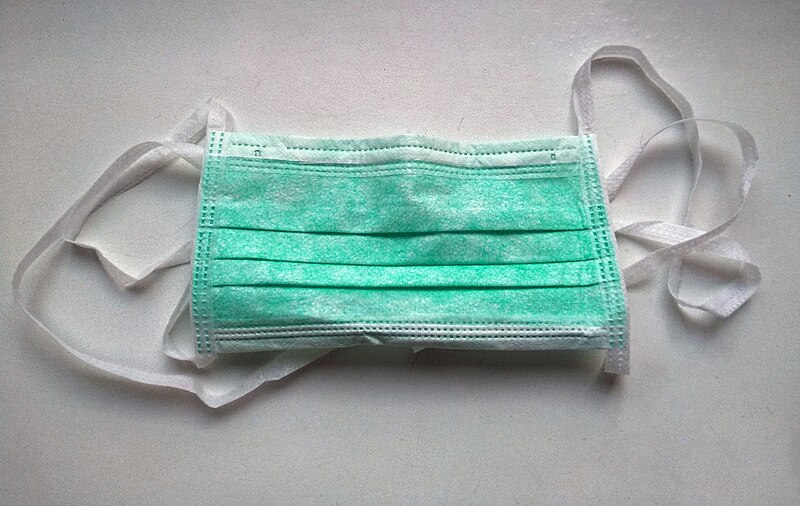
surgical mask
oro-nasal cover worn by health professionals to reduce spread of airborne pathogens
hand sanitizer
alternative/supplement to hand washing. Destroys microorganisms/prevents transmission of pathogens

N95 respirator
particulate respirator that meets the N95 standard of the United States National Institute for Occupational Safety and Health (NIOSH)

hospital-acquired infection
nosocomial infection

asepsis
thumb|Hand scrubbing procedure for surgery
Asepsis is the state of being free from disease-causing micro-organisms (such as pathogenic bacteria, viruses, pathogenic fungi, and parasites). There are two categories of asepsis: medical and surgical. The modern day notion of asepsis is derived from the older antiseptic techniques, a shift initiated by different individuals in the 19th century who introduced practices such as the sterilizing of surgical tools and the wearing of surgical gloves during operations. The goal of asepsis is to eliminate infection, not to achieve sterility. Ideally, an op
medical glove
single-use glove worn during medical examinations and procedures

sachet
thumb|A handmade sachet containing lavender.
thumb|
infection control
medical field concerned with preventing healthcare-associated infection, a practical sub-discipline of epidemiology
needle exchange programme
method of providing drug users with uninfected equipment
supervised injection site
medical facility
Negative room pressure
isolation technique used in hospitals and medical centers to prevent cross-contamination
hot air oven
electrical devices which use dry heat to sterilize
scrubs
lightweight, washable clothing worn by hospital staff or other medical personnel
needlestick injury
accidental puncture of skin causing contamination
universal precautions
standard preventive measures to be taken by professional and other health personnel in contact with persons afflicted with a communicable disease
Protective isolation
health measures to avoid contracting an infection
Paul Berger
French physician and surgeon (1845-1908)
Catch It, Bin It, Kill It
British public health slogan
Antimicrobial copper-alloy touch surfaces
surfaces with antimicrobial copper coatings
antibiotic prophylaxis
prevention of infection complications using antimicrobial therapy