Category
page 1Melanthiaceae

Paris
genus of plants

Paris quadrifolia
species of plant

Melanthiaceae
Melanthiaceae, also called the bunchflower family, is a family of flowering herbaceous perennial plants native to the Northern Hemisphere. Along with many other lilioid monocots, early authors considered members of this family to belong to the family Liliaceae, in part because both their sepals and petals closely resemble each other and are often large and showy like those of lilies, while some more recent taxonomists have placed them in a family Trilliaceae. The most authoritative modern treatment, however, the APG III system of 2009 (unchanged from the 2003 APG II system and the 1998 APG sys

Paris japonica
species of plant
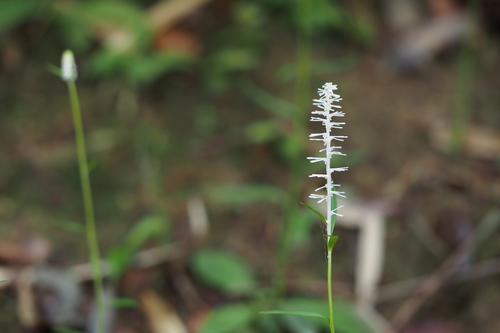
Chionographis
Chionographis is a genus of plants in the Melanthiaceae first described as a genus in 1867. This genus is native to China, Japan, and Korea.
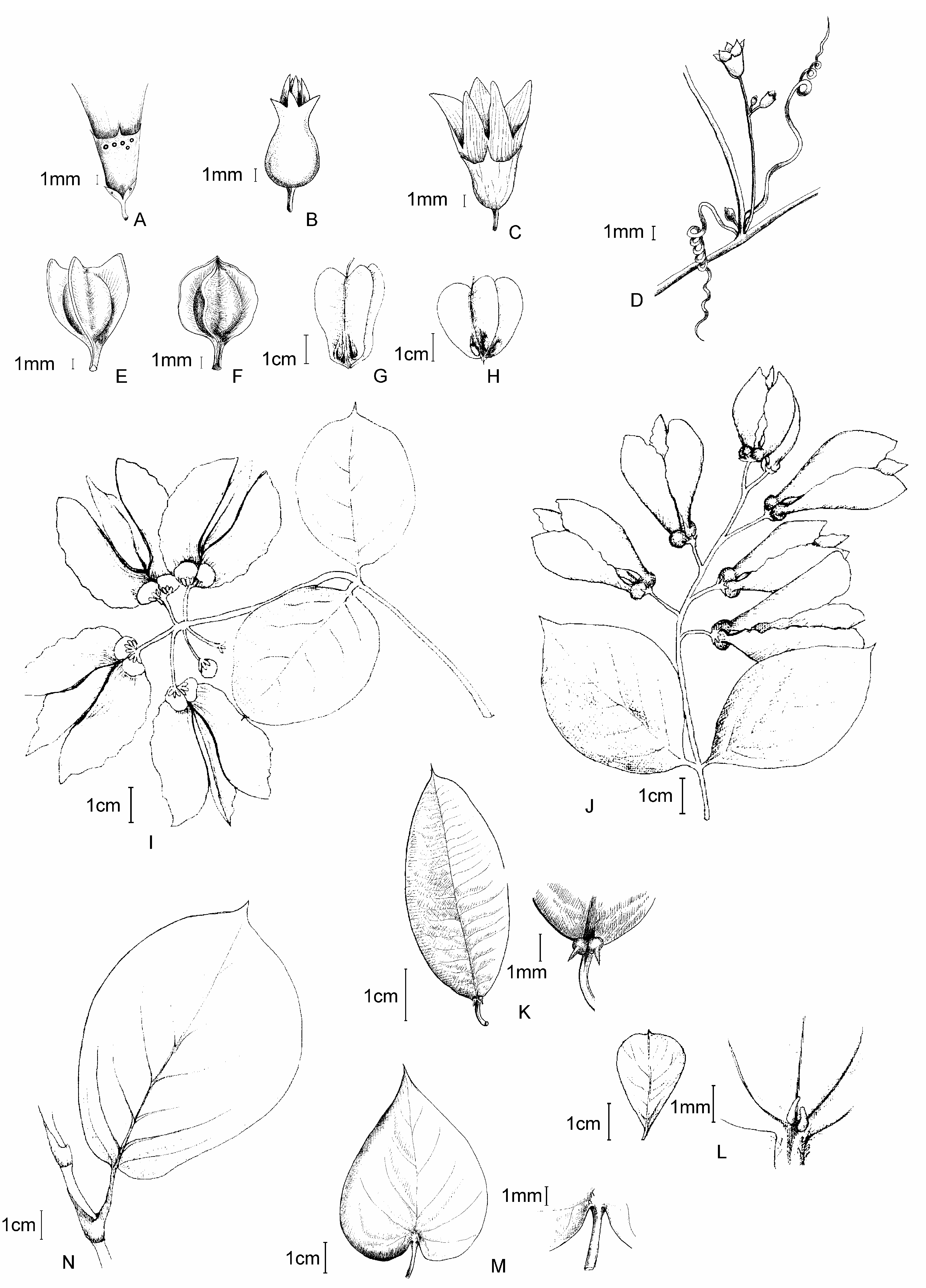
Melanthium
Melanthium is a genus of herbaceous perennial plants native to North America. They are closely related to Veratrum, and in fact are included in that genus by some authors. The distinction between Melanthium and Veratrum is based on various morphological traits, but it is not yet clear where the line is best drawn.

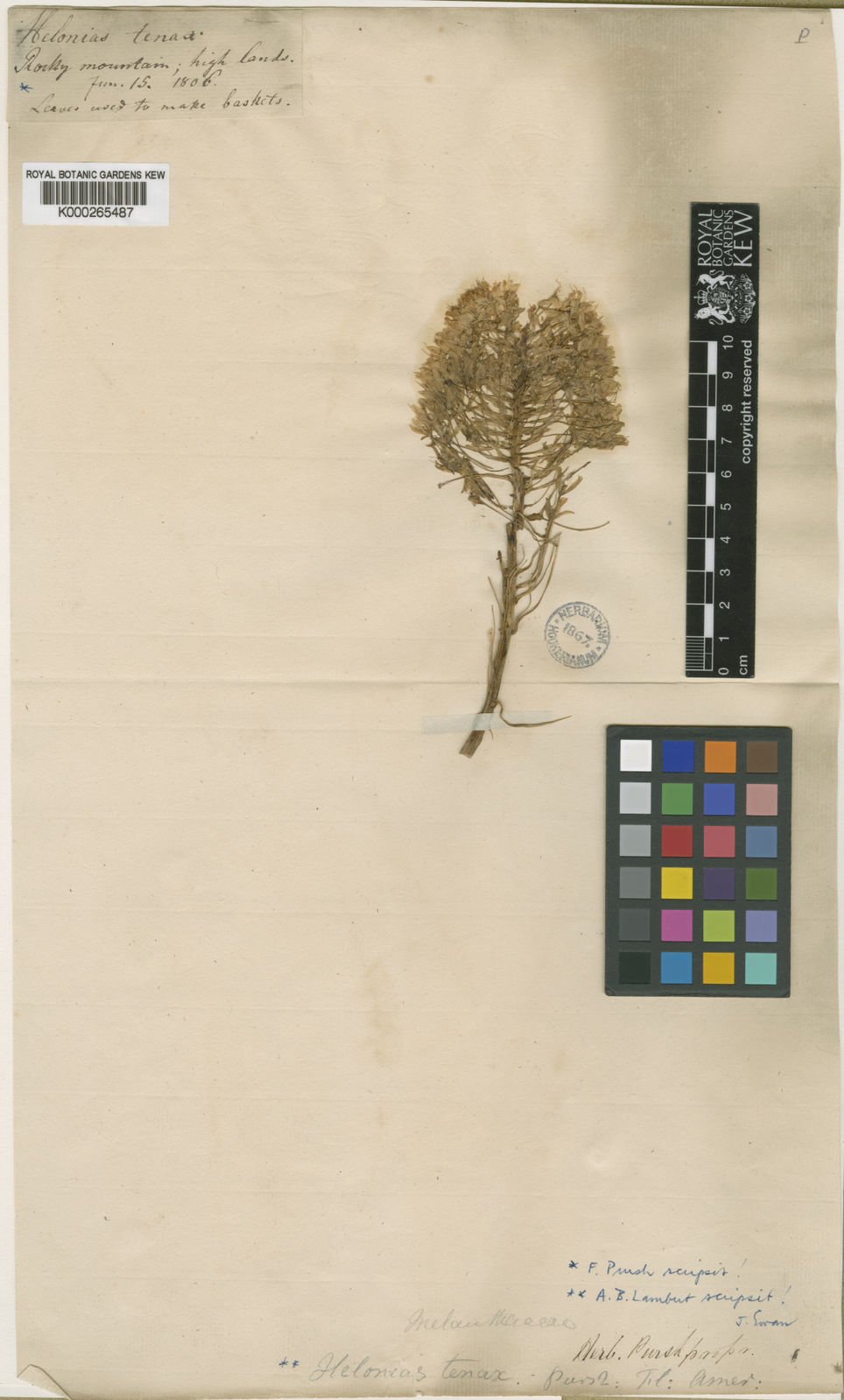
Xerophyllum tenax
species of plant
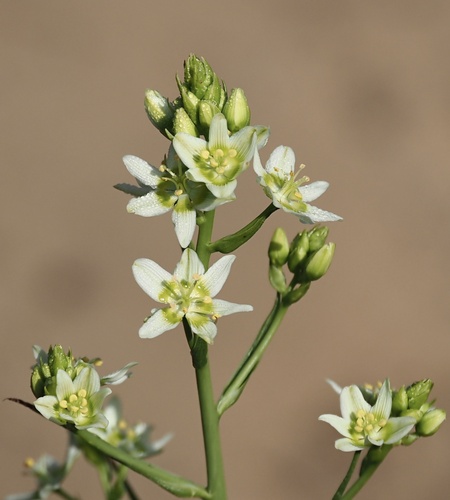
Zigadenus
Zigadenus is a genus of flowering plants now containing only one species, Zigadenus glaberrimus, the sandbog death camas, found in the southeastern United States from Mississippi to Virginia. Around 20 species were formerly included in the genus, but have now been moved to other genera.
.jpg)
Amianthium muscitoxicum
Amianthium is a genus of perennial monocot plants found in eastern North America. The genus contains only one species, known as Amianthium muscitoxicum. Its common names include "fly poison" and "stagger grass". The species name muscitoxicum comes from a direct Latin translation of "fly poison": muscae = flies, toxicum = poison. The entire plant is poisonous to an array of species, including humans, and the bulb is particularly toxic. A. muscitoxicum was first recorded by Thomas Walter in his work Flora Caroliniana in 1788.

Stenanthium
Stenanthium is a North American genus of flowering plants in the tribe Melanthieae of the family Melanthiaceae.
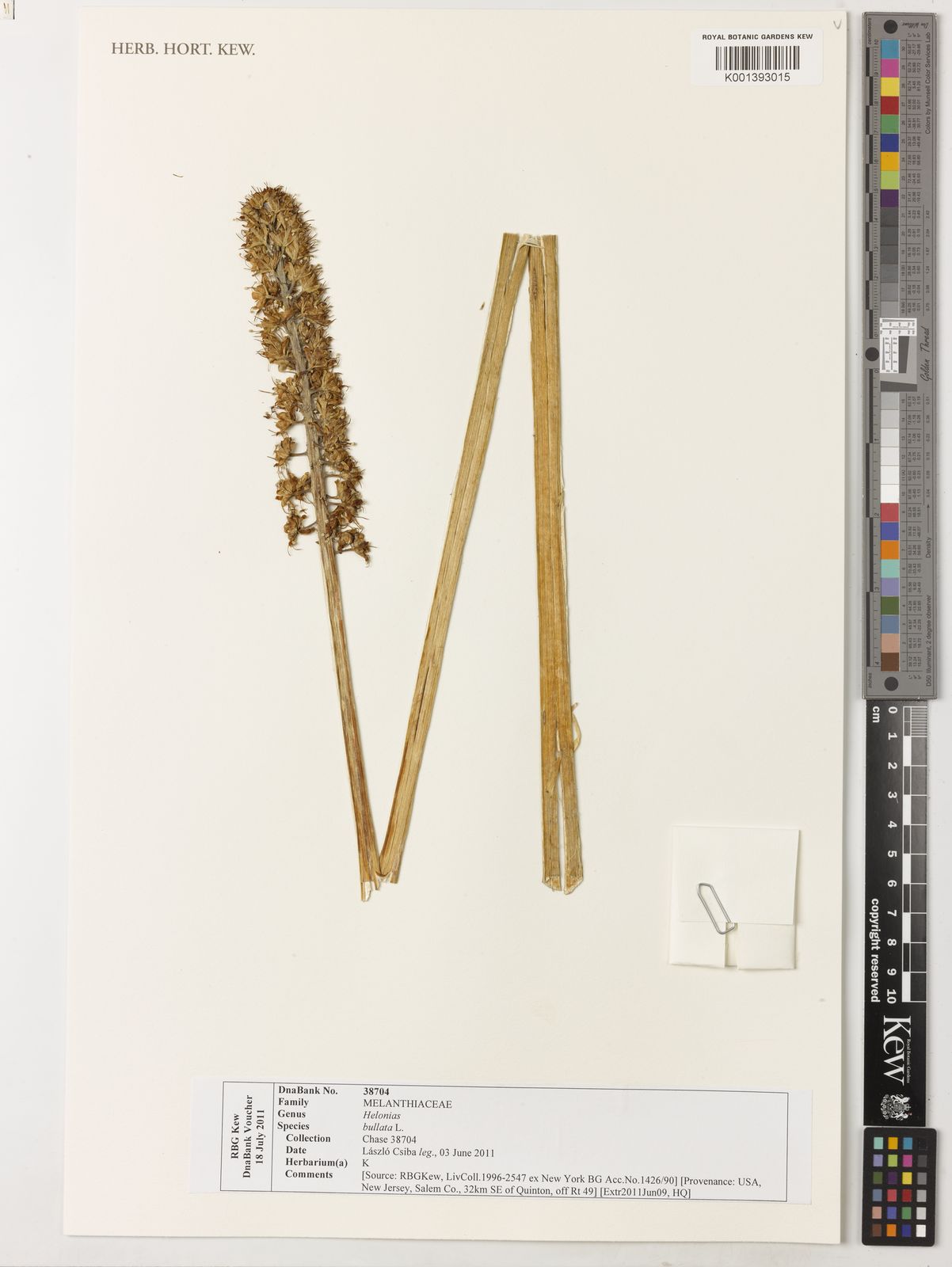
Helonias bullata
species of plant
Ypsilandra
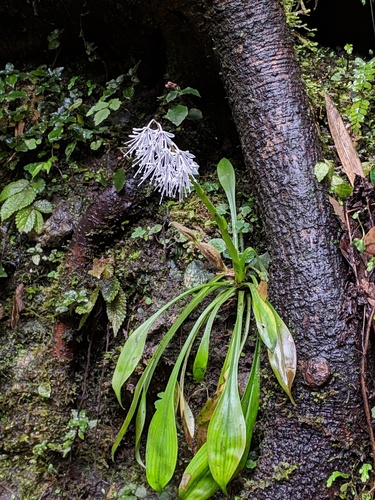
Ypsilandra is a genus of at least six herbaceous plant species, first described as a genus in 1888. This genus is a member of the Melanthiaceae and is native to East Asia (China, the Himalayas, Myanmar, Thailand).

Anticlea elegans
species of plant
Xerophyllum
genus of plants

Paris polyphylla
species of plant

Anticlea
genus of plants

Chamaelirium
Chamaelirium is a genus of flowering plants containing the single species Chamaelirium luteum, commonly known as blazing-star, '''devil's bit, false unicorn, fairy wand, and helonias'''. It is a perennial herb native to the eastern United States. It can be found in a variety of habitats, including wet meadows and deciduous woodlands.
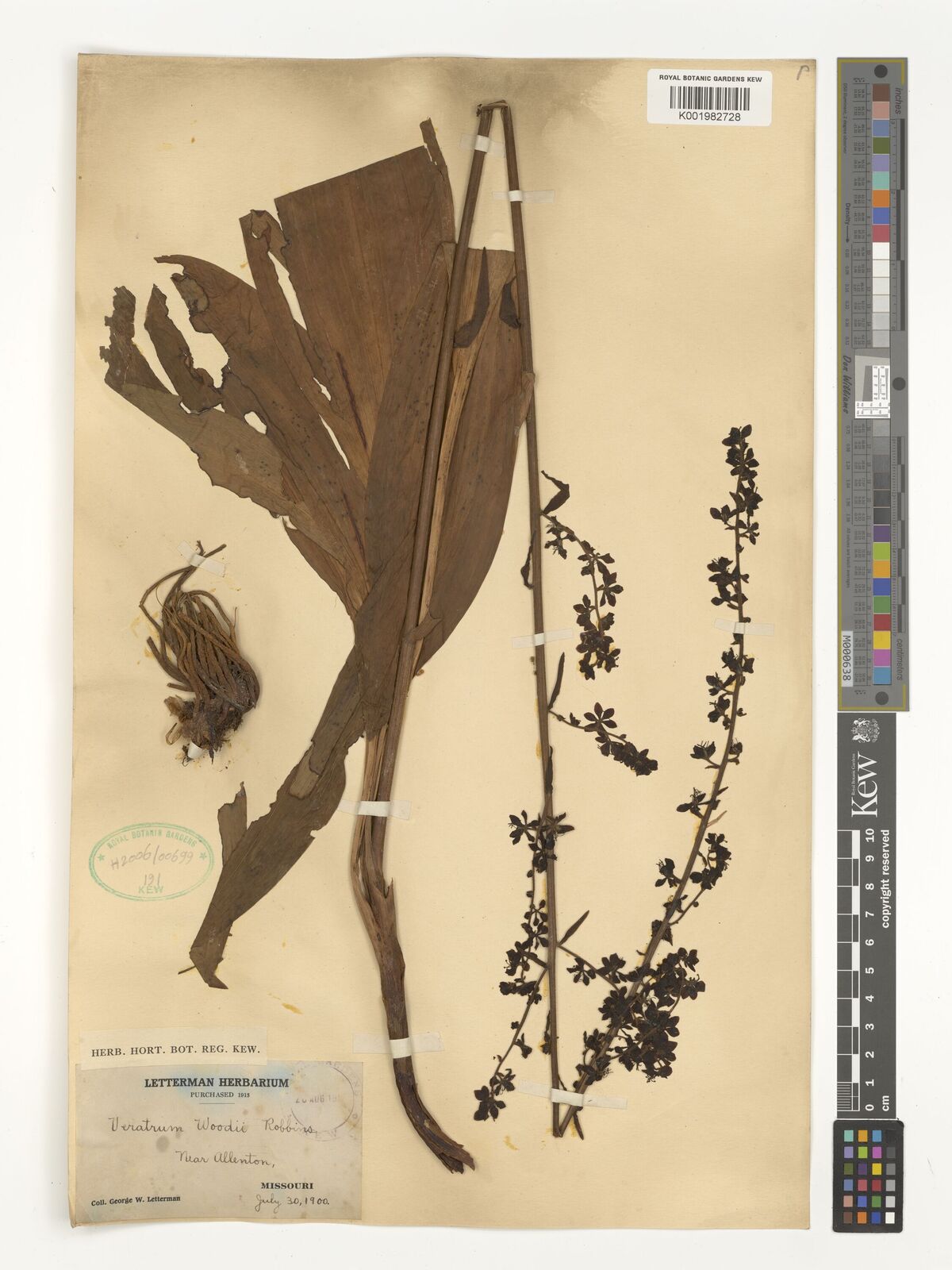
Melanthium woodii
species of plant

Xerophyllum asphodeloides
species of plant

Helonias
Helonias is a genus of flowering plants. It contains 12 species, with 11 native to the Himalayas and eastern Asia and one (H. bullata) to the eastern United States.

Stenanthium densum
species of plant

Anticlea occidentalis
species of plant

Melanthium latifolium
species of plant

Anticlea volcanica
species of plant
Melanthieae
Melanthieae is a tribe of flowering plants within the family Melanthiaceae. Molecular phylogenetic studies in the 21st century have resulted in a large-scale reassignment of many of its species to different genera; in particular the genus Zigadenus (deathcamases) has been restricted to a single species, Zigadenus glaberrimus. Plants contain alkaloids, making them unpalatable to grazing animals; many are very poisonous to both animals and humans.

Stenanthium diffusum
species of plant