Category
page 1Menstrual cycle

menstruation
thumb|Diagram illustrating how the endometrium|uterine lining builds up and breaks down during the menstrual cycle
Menstruation (also known as a period, among other colloquial terms) is the regular discharge of blood and mucosal tissue from the inner lining of the uterus through the vagina. The menstrual cycle is characterized by the rise and fall of hormones. Menstruation is triggered by falling progesterone levels, and is a sign that pregnancy has not occurred. Feminine hygiene products are used in order to maintain hygiene during menses.

menopause
thumb|right|Тhe changes in ovarian hormones throughout the human lifespan. During childhood, hormone levels are low. During puberty, estrogen begins to fluctuate, followed by progesterone when you first begin ovulating. After 6-12 years the menstrual cycle normalizes into a rhythm during the menstrual years, barring any reproductive health issues or pregnancy and breastfeeding, which pauses the cycling. Perimenopause, similar to puberty, has high fluctuations of estrogen as progesterone slowly begins to decline. Eventually, a person stops ovulating, reaches menopause, and hormones return to ch

menstrual cycle
a type of ovulation cycle where the endometrium is shed if pregnancy does not occur

sanitary napkin
absorbent item worn in the underwear by women who are menstruating, bleeding after giving birth or similar

endometriosis

ovulation
Ovulation is an important part of the menstrual cycle in female vertebrates where the egg cells are released from the ovaries as part of the ovarian cycle. In female humans ovulation typically occurs near the midpoint in the menstrual cycle and after the follicular phase. Ovulation is stimulated by an increase in luteinizing hormone (LH). The ovarian follicles rupture and release the secondary oocyte ovarian cells.

menstrual cup
feminine hygiene product worn inside the vagina during menstruation
premenstrual syndrome
physical and emotional symptoms that occur in the one to two weeks before a woman's period.

tampon
thumb|A tampon in its dry, unused state|262x262px
A tampon is a menstrual product designed to absorb blood and vaginal secretions by insertion into the vagina during menstruation. Unlike a pad, it is placed internally, inside of the vaginal canal. Once inserted correctly, a tampon is held in place by the vagina and expands as it soaks up menstrual blood.

menarche
Menarche ( ; ) is the first menstrual cycle, or first menstrual bleeding, in female humans. From both social and medical perspectives, it is often considered the central event of female puberty, as it signals the possibility of fertility. Girls experience menarche at different ages, but the most common age is 12. Having menarche occur between the ages of 9–14 in the West is considered normal.
premature ovarian failure
ovarian disease where ovaries do not produce estrogen despite high levels of circulating gonadotropins in women under 40
menstrual leave
Leave of absence taken during a menstrual period

Period. End of Sentence.
2018 film by Rayka Zehtabchi
period poverty
lack of or inadequate access to affordable and safe menstrual products, hygiene facilities, or menstrual education
hypothalamic–pituitary–gonadal axis
system of endocrine glands
culture and menstruation
cultural aspects surrounding how society views menstruation
period panties
underpants designed to absorb menstrual flow
luteal phase
latter part of the menstrual cycle associated with ovulation and an increase in progesterone
menstrual synchrony
purported menstrual cycle synchronization in women who live together
Aditi Gupta
Founder - Menstrupedia
Emmenagogue
Emmenagogues (also spelled emmenagogs) are herbs which stimulate blood flow in the pelvic area and uterus; some stimulate menstruation. Women may use emmenagogues to stimulate menstrual flow when menstruation is absent for reasons other than pregnancy, such as hormonal disorders or conditions like oligomenorrhea.

menstrual hygiene management
access to feminine hygiene products and disposal of used products

decidualization
thumb|right|Micrograph showing decidualization of the endometrium due to exogenous [[progesterone (oral contraceptive pill). H&E stain.]]
Decidualization is a process that results in significant changes to cells of the endometrium in preparation for, and during, pregnancy. This includes morphological and functional changes (the decidual reaction) to endometrial stromal cells (ESCs), the presence of decidual white blood cells (leukocytes), and vascular changes to maternal arteries. The sum of these changes results in the endometrium changing into a structure called the decidua. In humans, the d

Concealed ovulation
lack of visible changes in ovulating females
free bleeding
menstrual practice and feminist movement
luteolysis
Luteolysis (also known as luteal regression) is the structural and functional degradation of the corpus luteum, which occurs at the end of the luteal phase of both the estrous and menstrual cycles in the absence of pregnancy.
Freweini Mebrahtu
Ethiopian chemical engineer and inventor
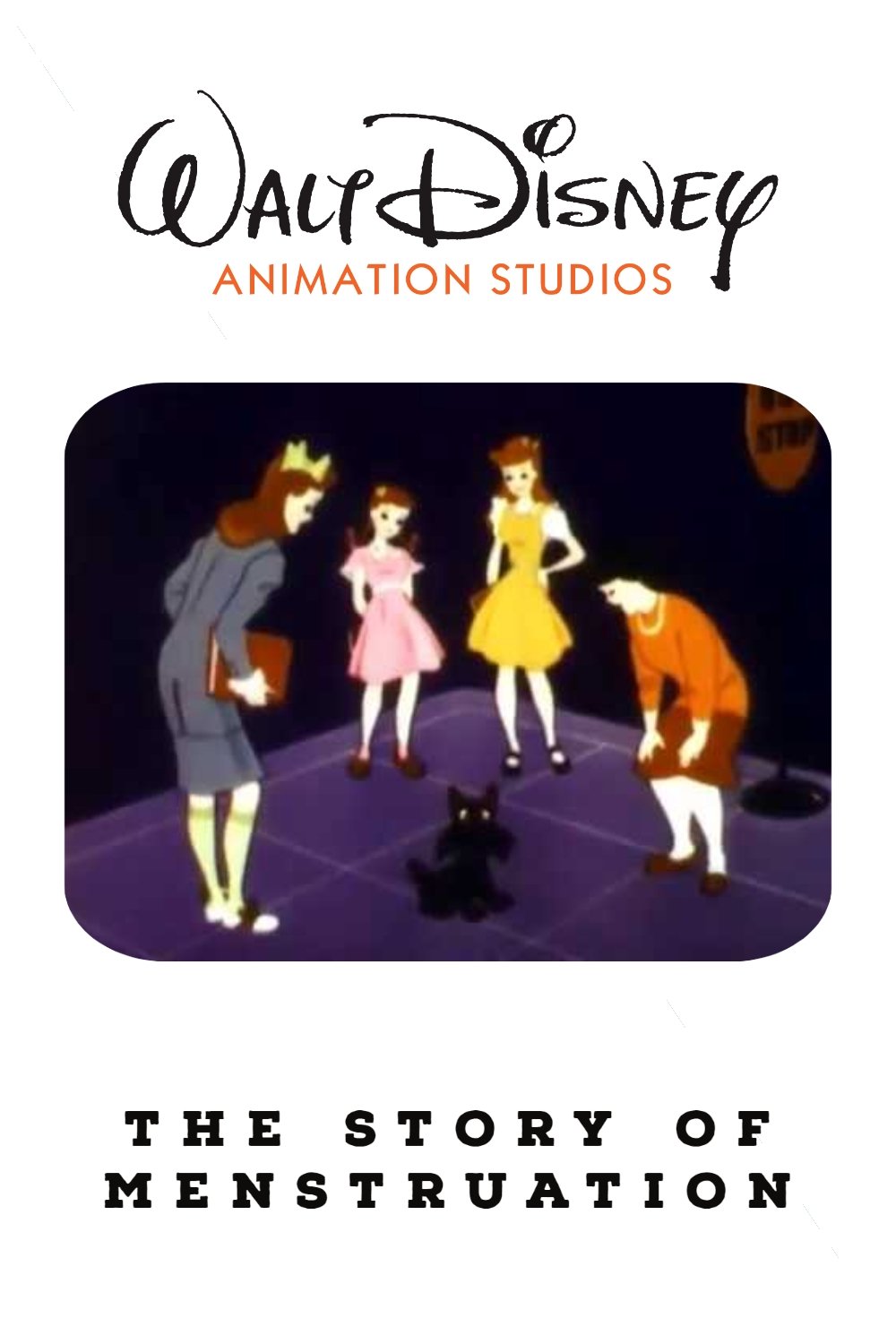
The Story of Menstruation
1946 animated short film directed by Jack Kinney