Category
page 1Metal forming

forging
thumb|upright=1.4|Hot metal ingot being loaded into a hammer forge
thumb|A Semi-finished_casting_products#Billet|billet in an open-die forging press
Forging is a manufacturing process involving the shaping of metal using localized compressive forces. The blows are delivered with a hammer (often a power hammer) or a die. Forging is often classified according to the temperature at which it is performed: cold forging (a type of cold working), warm forging, or hot forging (a type of hot working). For the latter two, the metal is heated, usually in a forge. Forged parts can range in weight from les

sheet metal
metal formed into thin, flat pieces, usually by an industrial process

rolling
metalworking process
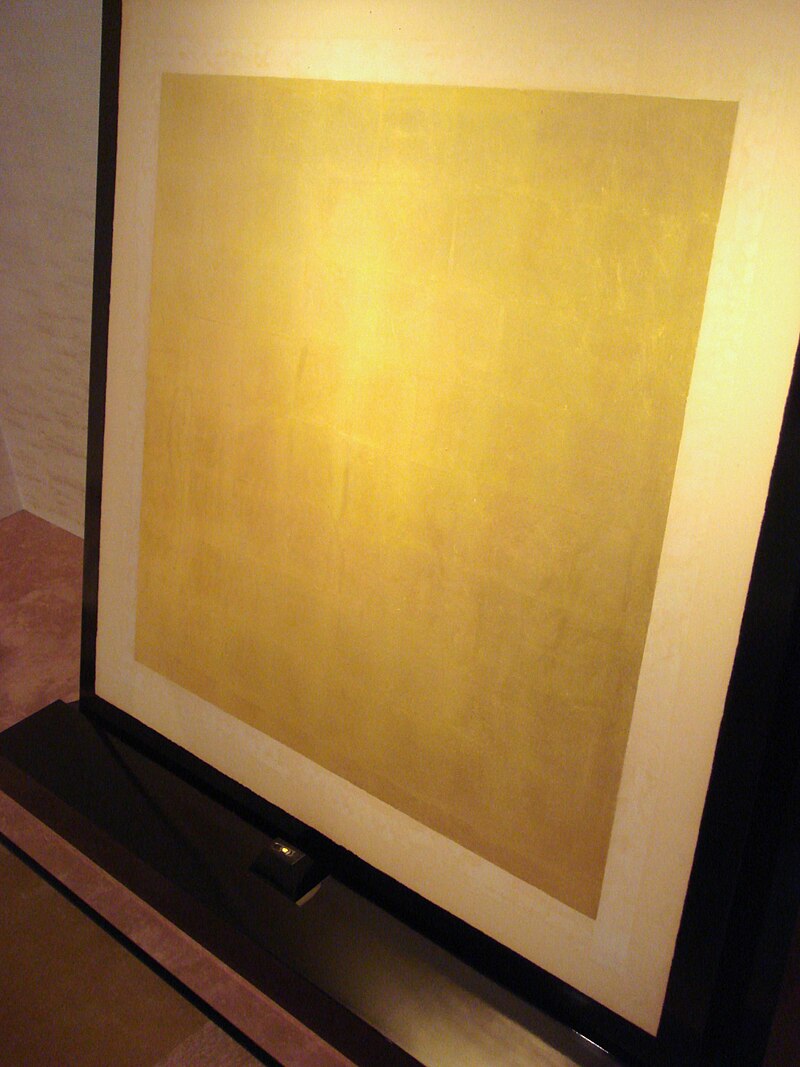
gold leaf
very thin gold used in art

extrusion
thumb|Extruded aluminum with several hollow cavities; T-slot nut|T slots allow bars to be joined with special connectors.
machine press
machine tool that changes the shape of a work piece by the application of pressure
repoussé
metalworking technique
metal spinning
metalworking process by which a disc or tube of metal is rotated and formed into an axially symmetric part; it does not involve removal of material

punching
thumb|Extruded holes with the punch and die used to create them. No pilot hole was used on the left.

knurling
thumb|upright|Close-up shot of a diamond-pattern knurling on a cylindrical work piece. Knurling method: left/right with tips raised, spiral angle: 30°, pitch: 1 mm, profile angle: 90°
bending
metalworking term
drawing
metalworking process
coining
process of manufacturing coins using stamping
deep drawing
metalworking process
die
specialized tool for cutting or deforming
stamping
metalworking

hydroforming
thumb|A plate being shaped through hydroforming
wire drawing
metalworking process
blanking and piercing
process
roll forming
continuous bending of a long strip of sheet metal into a desired cross-section
draw plate
manufacturing wire

embossing
stamping process for producing sunken designs in sheet metal or other materials
electroforming
300px|thumb|Electroforming process
Electroforming is a metal forming process in which parts are fabricated through electrodeposition on a model, known in the industry as a mandrel. Conductive (metallic) mandrels are treated to create a mechanical parting layer, or are chemically passivated to limit electroform adhesion to the mandrel and thereby allow its subsequent separation. Non-conductive (glass, silicon, plastic) mandrels require the deposition of a conductive layer prior to electrodeposition. Such layers can be deposited chemically, or using vacuum deposition techniques (e.g., gold sputt
roller burnishing
process used to obtain mirror finishes inside metal holes by using rollers
swaging
thumb|A selection of blacksmithing swages
hemming and seaming
metalworking Process
forming
metalworking process of fashioning parts and objects through mechanical deformation; the workpiece is reshaped without adding or removing material
electromagnetic forming
Metal forming process
roll slitting
shearing operation
English wheel
metalworking tool
roll bender
shear forming
raising
metalworking technique
Electrodeposition
Electrodeposition (electrochemical deposition or electroplating) is a material processing technology. It uses electric current to cause a material (typically a metal) to deposit on an electrode. The electrode is immersed in an electrolyte containing ions of the material. Applied current causes the material to form a deposit.
Superplastic forming
metalworking process for forming sheet metal
tube drawing
industrial processes
coining
form of precision stamping in metalworking in which a workpiece is subjected to a sufficiently high stress to induce plastic flow on the surface of the material
Rotary piercing
a hot working metalworking process for forming thick-walled seamless tubing
explosive forming
technique in metalworking involving an explosive charge