Category
page 1Micrococcales
Brevibacterium
Brevibacterium is a genus of bacteria of the order Micrococcales. They are Gram-positive soil organisms.
Tropheryma whipplei
'"Tropheryma whipplei"' is a bacterium that is the causative organism of Whipple's disease, and rarely, endocarditis.

Brevibacterium linens
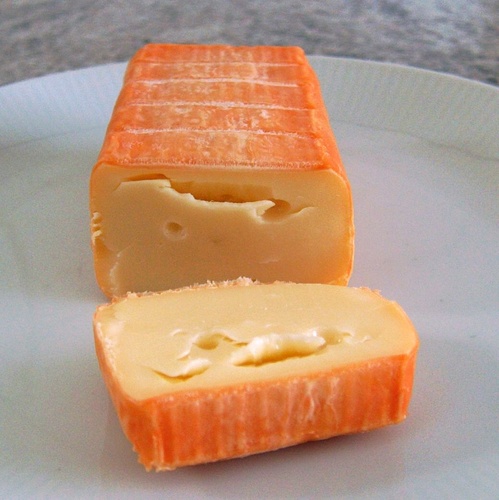
species of bacteria, used to ferment several cheeses
Microbacteriaceae
Microbacteriaceae is a family of bacteria of the order Actinomycetales. They are Gram-positive soil organisms.
Cellulomonas
Cellulomonas is a genus of Gram-positive rod-shaped bacteria. One of their main distinguishing features is their ability to degrade cellulose, using enzymes such as endoglucanase and exoglucanase. They are members of the Actinomycetota.
Intrasporangiaceae
Intrasporangiaceae is an actinomycete family. The family is named after the type genus Intrasporangium. The type species of Intrasporangium (I. calvum) was originally thought to form endospores; however, the mycelium of this strain may bear intercalary vesicles that were originally identified as spores. No members of Intrasporangiaceae are known to form spores.
Dermatophilaceae
The Dermatophilaceae is a Gram-positive family of bacteria placed within the order of Actinomycetales. Dermatophilaceae bacteria occur on animal and human skin and in fish guts.
Beutenbergiaceae
Beutenbergiaceae is an Actinomycete family.
Dermacoccaceae
The Dermacoccaceae is a family of bacteria placed within the order of Micrococcales.
Bacteria af this familia are Gram-positive, non-spore-forming and non-motile. Dermacoccaceae bacteria occur on the skin.