Category
page 1Monotypic bacteria genera
Desulforudis audaxviator
species of bacterium
Prochlorococcus
Prochlorococcus is a genus of very small (0.6 μm) marine cyanobacteria with an unusual pigmentation (chlorophyll a2 and b2). These bacteria belong to the photosynthetic picoplankton and are probably the most abundant photosynthetic organism on Earth. Prochlorococcus microbes are among the major primary producers in the ocean, responsible for a large percentage of the photosynthetic production of oxygen. Prochlorococcus strains, called ecotypes, have physiological differences enabling them to exploit different ecological niches. Analysis of the genome sequences of Prochlorococcus strains s
Coxiella
genus of bacteria
Anaerobacter
Anaerobacter is a genus of Gram-positive bacteria related to Clostridium. They are anaerobic chemotrophs and are unusual spore-formers as they produce more than one spore per bacterial cell (up to five). They fix nitrogen. Their G+C content is 29%.
Only one species of this genus (Anaerobacter polyendosporus) has been described.
Morganella morganii
species of bacterium
Clostridioides
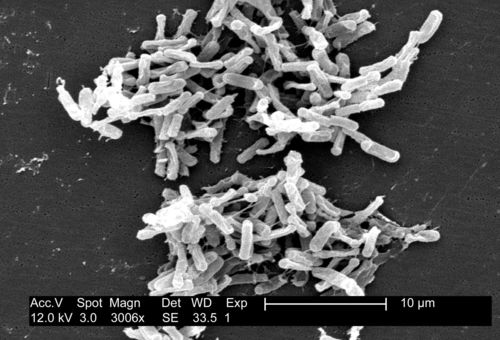
Clostridioides is a genus of Gram-positive bacteria, which includes Clostridioides difficile, a human pathogen causing an infectious diarrhea.
Faecalibacterium
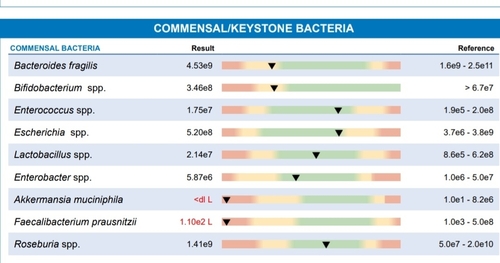
Faecalibacterium is a genus of bacteria. The genus contains several species including Faecalibacterium prausnitzii, Faecalibacterium butyricigenerans, Faecalibacterium longum, Faecalibacterium duncaniae, Faecalibacterium hattorii, and Faecalibacterium gallinarum. Its first known species, Faecalibacterium prausnitzii is gram-positive, mesophilic, rod-shaped, and anaerobic, and is one of the most abundant and important commensal bacteria of the human gut microbiota. It is non-spore forming and non-motile. These bacteria produce butyrate and other short-chain fatty acids through the fermentation
Zymomonas
Redirect Zymomonas mobilis
Aegyptianella
Aegyptianella is a genus in the phylum Pseudomonadota (Bacteria).
Arsenophonus
Arsenophonus is a genus of Morganellaceae, of the Gammaproteobacteria. Members of the Arsenophonus genus are increasingly discovered bacterial symbionts of arthropods that are estimated to infect over 5% of arthropod species globally and form a variety of relationships with hosts across the mutualism parasitism continuum. Arsenophonus bacteria have been identified in a diversity of insect taxa, including economically important species such as the Western honey bee and the rice pest Nilaparvata lugens.
Branhamella
The only species of Branhamella (Branhamella catarrhalis) is reclassified to Moraxella catarrhalis.
Samsonia
Samsonia is a genus of Gram-negative bacteria in the family Yersiniaceae. Species within this genus were originally found in the bark of diseased Erythrina trees. Among bacterial plant pathogens within the Enterobacterales, Samsonia species may be most closely related to Pectobacterium species. Until now, only one species of this genus has been described (S. erythrinae).
Dehalobacter
Dehalobacter is a genus in the phylum Bacillota (Bacteria).
Achromatium
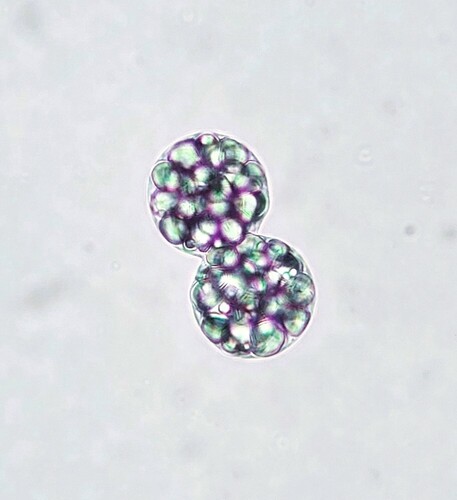
Achromatium is a genus in the phylum Pseudomonadota (Bacteria).
Alicycliphilus
Alicycliphilus is a genus in the phylum Pseudomonadota (Bacteria).
Dehalococcoides
Dehalococcoides is a genus of bacteria within class Dehalococcoidia that obtain energy via the oxidation of hydrogen and subsequent reductive dehalogenation of halogenated organic compounds in a mode of anaerobic respiration called organohalide respiration. They are well known for their great potential to remediate halogenated ethenes and aromatics. They are the only bacteria known to transform highly chlorinated dioxins, PCBs. In addition, they are the only known bacteria to transform tetrachloroethene (perchloroethene, PCE) to ethene.
Oxobacter
Oxobacter is a genus of Gram-positive obligately anaerobic rod-shaped acetogenic bacteria. The sole species in the genus is Oxobacter pfennigii, formerly known as Clostridium pfennigii. This endospore-forming microorganism catabolizes pyruvate to acetate and CO2, while sugars and amino acids are not utilized as energy sources.
Coriobacterium
Coriobacterium is a genus of Actinomycetota, in the family Coriobacteriaceae. Coriobacterium are non-motile, Gram-positive, non-sporulating rods, which inhabit the gastrointestinal tract of firebugs (Pyrrhocoris apterus). Up to now there is only one species of this genus known (Coriobacterium glomerans).
Johnsonella
Johnsonella is a Gram-negative, non-spore-forming and non-motil bacterial genus from the family of Lachnospiraceae with one known species (Johnsonella ignava). Johnsonella ignava occur in the gingival crevice of humans.
Actibacter
Actibacter is a genus in the phylum Bacteroidota (Bacteria). The genus contains a single species, namely A. sediminis.
Catonella
Catonella is a Gram-negative, obligately anaerobic, non-spore-forming and non-motile bacterial genus from the family of Lachnospiraceae with one known species (Catonella morbi). Catonella morbi occur in the gingival crevice of humans.
Enhydrobacter
Enhydrobacter is a genus of bacteria which belongs to the class Alphaproteobacteria. So far, only one species is known (Enhydrobacter aerosaccus). Enhydrobacter has been discussed to be reclassified to the family Rhodospirillaceae and the class Alphaproteobacteria. Because of its oxidase positive it can not be placed in the family Enterobacteriaceae as it is not a parasite of birds or mammals.
Bryocella
Bryocella (Bry.o.cell’a. Gr. neut. n.; "bryon" - peat L. fem. n.; "cella" - cell N.L. fem. n.; "Bryocella" - peat-associated cell) is a genus of Gram-negative, non-spore forming, aerobic, rod-shaped bacteria from the family Acidobacteriaceae within subdivision 1 of the phylum Acidobacteriota. The type species of the genus is Bryocella elongata.
Yokenella
Yokenella is a genus of bacteria of the family Enterobacteriaceae. Yokenella are Gram-negative, motile, rod-shaped bacteria. Strains of bacteria forming this genus were originally isolated from clinical samples, from the boxelder bug, and from alligators.
Acetitomaculum
Coenonia
Coenonia is a genus of bacteria. Up to now there is only one species of this genus known: Coenonia anatina.