Category
page 1Monotypic Euphorbiaceae genera

Q155867
Ricinus communis, the castor bean or castor oil plant, is a species of perennial flowering plant in the spurge family, Euphorbiaceae. It is the sole species in the monotypic genus, Ricinus, and subtribe, Ricininae.
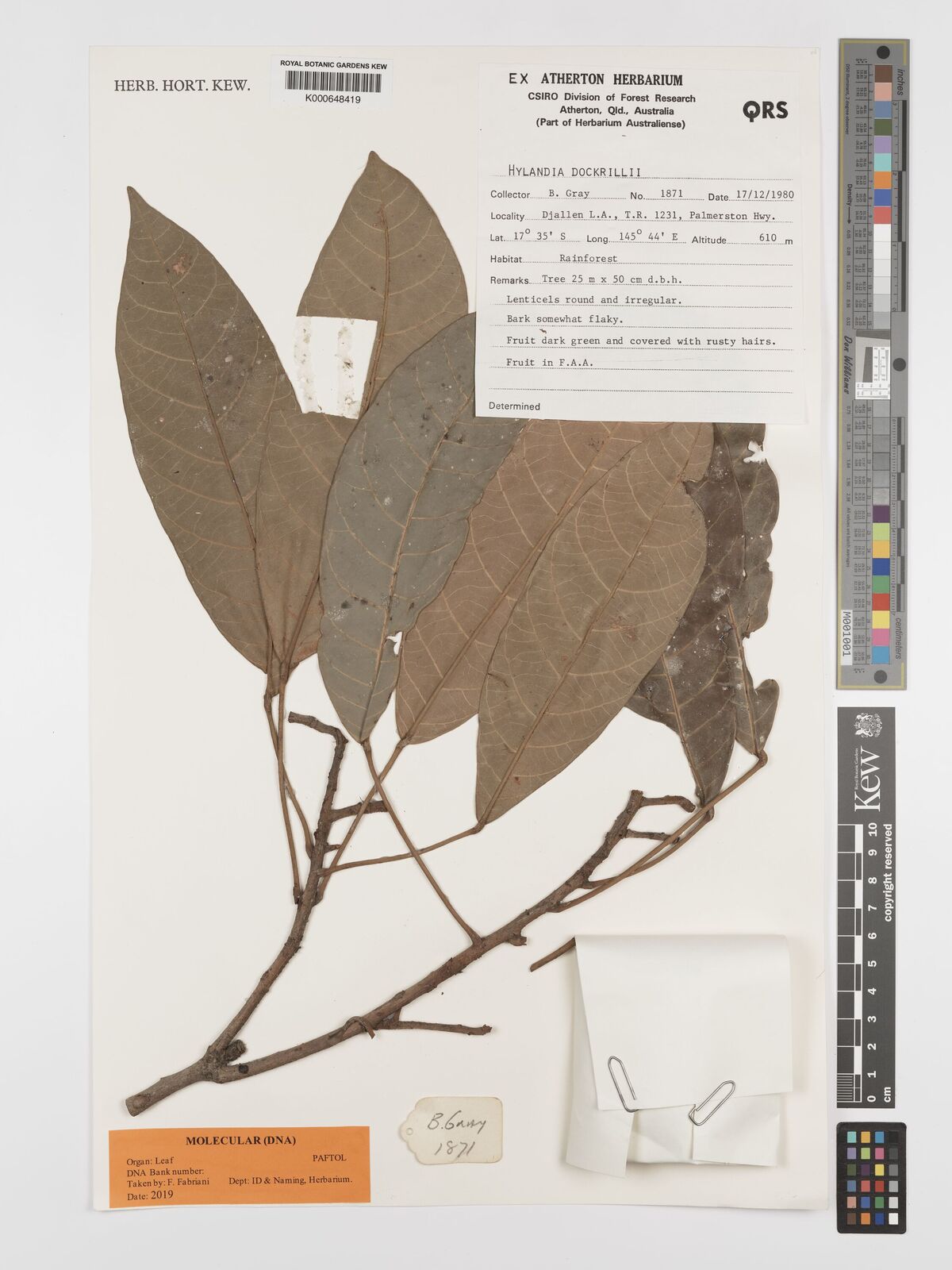
Hylandia dockrillii
Hylandia is a genus of plants, of the family Euphorbiaceae, named in honour of Australian botanist Bernie Hyland, by Herbert K. Airy Shaw.

Ricinodendron
Ricinodendron is a plant genus in the family Euphorbiaceae first described as a genus in 1864. It includes only one known species, Ricinodendron heudelotii, native to tropical Africa from Senegal + Liberia east to Sudan and Tanzania and south to Mozambique and Angola. It produces an economically important oilseed. The tree is known as munguella (Angola), njangsa (Cameroon), bofeko (Democratic Republic of Congo), wama (Ghana), okhuen (Nigeria), kishongo (Uganda), akpi (Ivory Coast), djansang, ọrùnmọdò (Yorubaland), essang, ezezang and njasang. Two varieties of the tree species are recognized R.
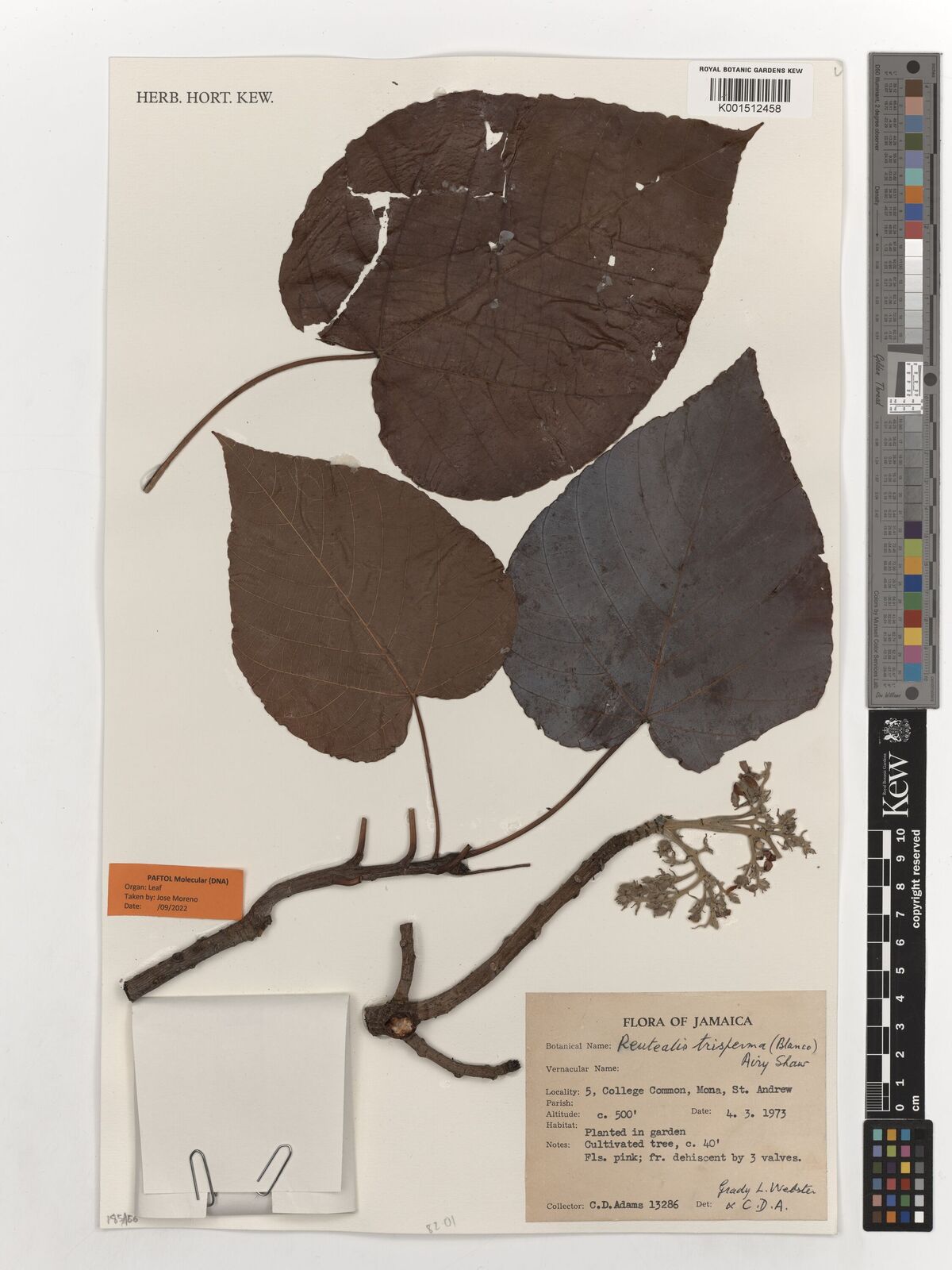
Reutealis
Reutealis is a monotypic plant genus in the family Euphorbiaceae. The single species, Reutealis trisperma is also known as Philippine tung. Reutealis trisperma is endemic to the Philippines and used as a timber species, although it is listed as a near-threatened species on the IUCN Red List.
thumb|left|Reutealis trisperma fruit bunch
thumb|left|Reutealis trisperma leaf
thumb|left|Reutealis trisperma leaf close up showing characteristics
thumb|Reutealis trisperma tree in Cubbon park, Bangalore
thumb|left|Reutealis trisperma fruit closeup

Sumbaviopsis
Sumbaviopsis is a genus of plants in the family Euphorbiaceae first described as a genus in 1910. It contains only one known species, Sumbaviopsis albicans, native to Yunnan, the eastern Himalayas, and Southeast Asia (Indochina, Malaysia, Indonesia, Philippines).
Afrotrewia
Afrotrewia is a monotypic genus of flowering plants belonging to the family Euphorbiaceae. It only contains one known species, Afrotrewia kamerunica
Neoguillauminia
Neoguillauminia is a genus of plants in the family Euphorbiaceae first described as a genus in 1938. It contains only one known species, Neoguillauminia cleopatra, endemic to New Caledonia. Its closest relative is Calycopeplus from Australia.
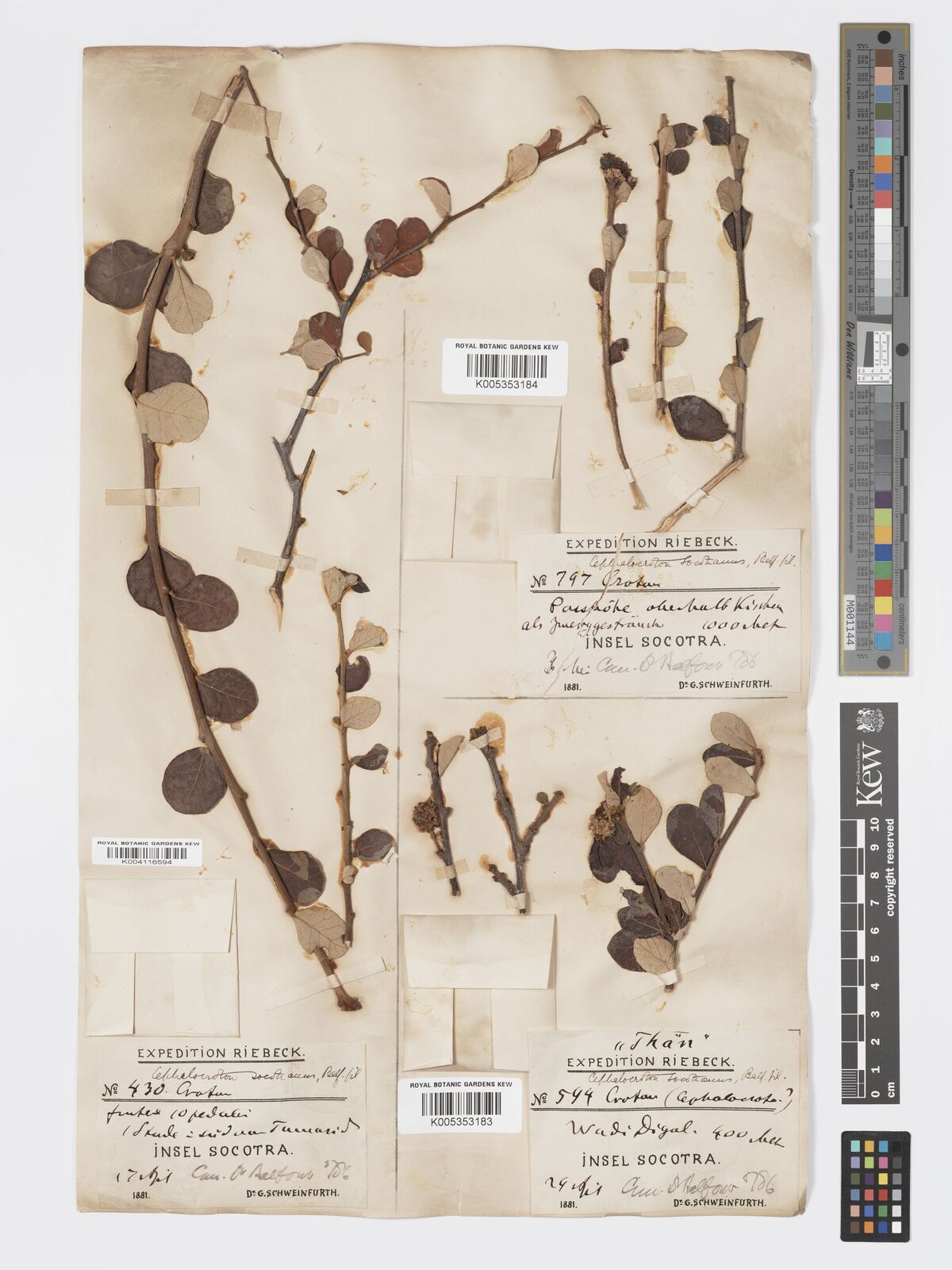
Cephalocrotonopsis
Cephalocrotonopsis is a genus of plant of the family Euphorbiaceae first described as a genus in 1910. It contains only one known species, Cephalocrotonopsis socotranus, endemic to the Socotra Islands in the Indian Ocean, part of the Republic of Yemen.
Neoshirakia
Neoshirakia, known as milktree, is a genus of plants in the Euphorbiaceae, native to east Asia. It is part of a group first described in 1954 with the name Shirakia, but this proved to be an illegitimate name, unacceptable under the Code of Nomenclature. The genus was later divided, with its species distributed amongst three genera: Neoshirakia, Shirakiopsis, and Triadica. Neoshirakia contains only one known species, Neoshirakia japonica, known as tallow tree, native to China, Korea, and Japan (including Nansei-shotō). The name Shirakia thus became a synonym of Neoshirakia because S. japonica

Discocleidion
Discocleidion is a genus of plants in the family Euphorbiaceae. It was first described as a genus in 1914. It contains one accepted species, Discocleidion rufescens, endemic to China.
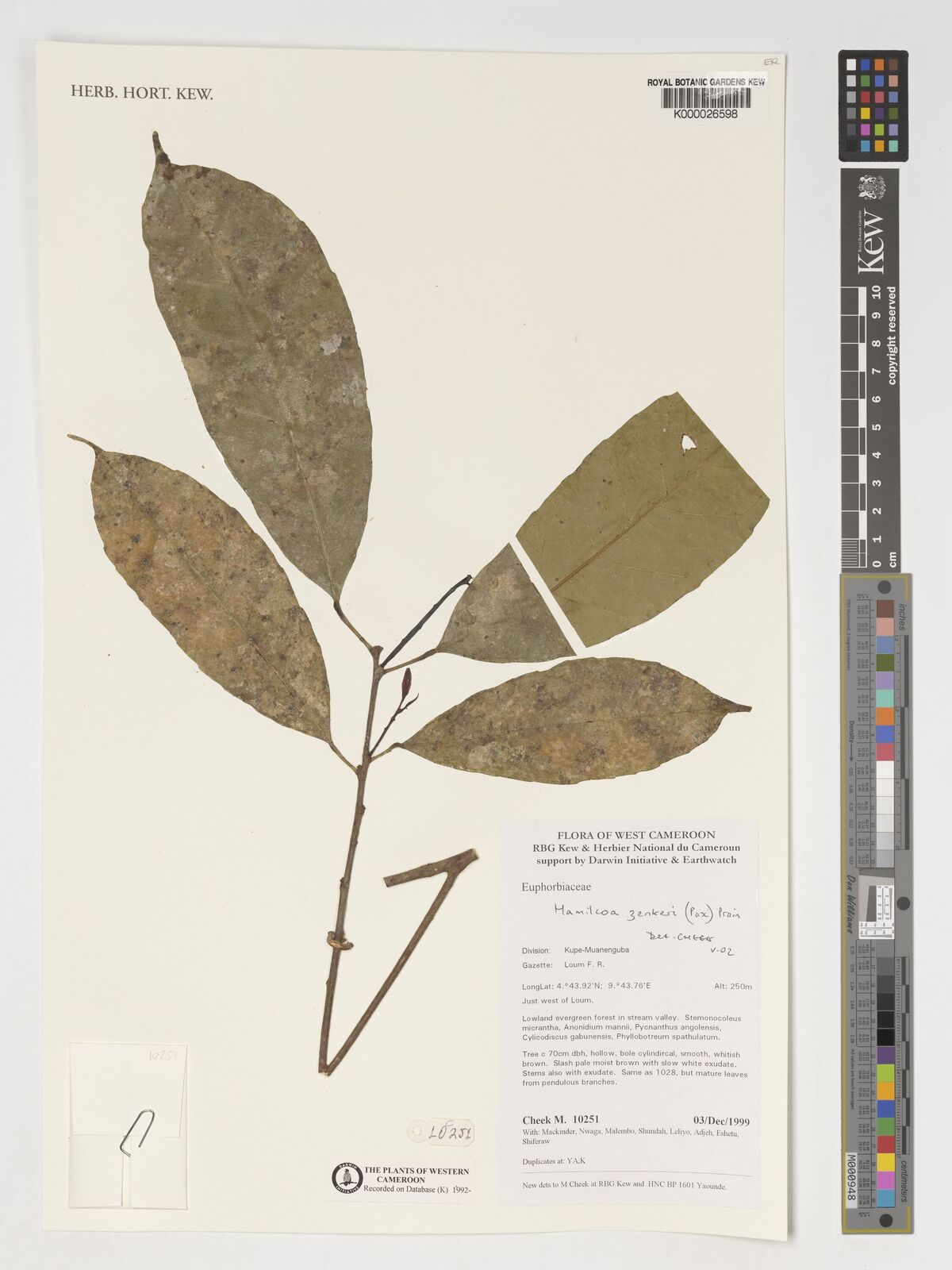
Hamilcoa
Hamilcoa is a plant genus in the family Euphorbiaceae first described as a genus in 1912. It contains only one known species, Hamilcoa zenkeri, native to Nigeria and Cameroon.
Oligoceras
Oligoceras is a plant genus of the family Euphorbiaceae, first described as a genus in 1924. It contains only one known species, Oligoceras eberhardtii, endemic to Vietnam.

Podadenia
Podadenia is a genus of plant of the family Euphorbiaceae first described as a genus in 1821. At present, only species is recognized in the genus, Podadenia sapida, endemic to Sri Lanka.
Vaupesia
Vaupesia is a plant genus of the family Euphorbiaceae first described as a genus in 1955. It contains only one known species, Vaupesia cataractarum, native to southeastern Colombia and northwestern Brazil.

Manniophyton
Manniophyton is a genus of lianas of the spurge family (Euphorbiaceae) described as a genus in 1864. It contains only one known species, Manniophyton fulvum, native to tropical western and central Africa from Guinea to Angola. It is dioecious.
Borneodendron
Borneodendron aenigmaticum is a species of tree in the family Euphorbiaceae of the monotypic genus Borneodendron. Its name means "enigmatic Borneo-plant"; so-called because it is a monotypic taxon and is endemic to north Borneo (Sabah). The species is specialised to ultramafic soils from 15 to 1070 meters elevation. It is found in numerous protected areas and is not considered threatened.

Leidesia
Leidesia is a monotypic plant genus in the family Euphorbiaceae first described as a genus in 1866. The sole species is Leidesia procumbens. The species is widespread in Southern Africa as far north as Democratic Republic of the Congo.
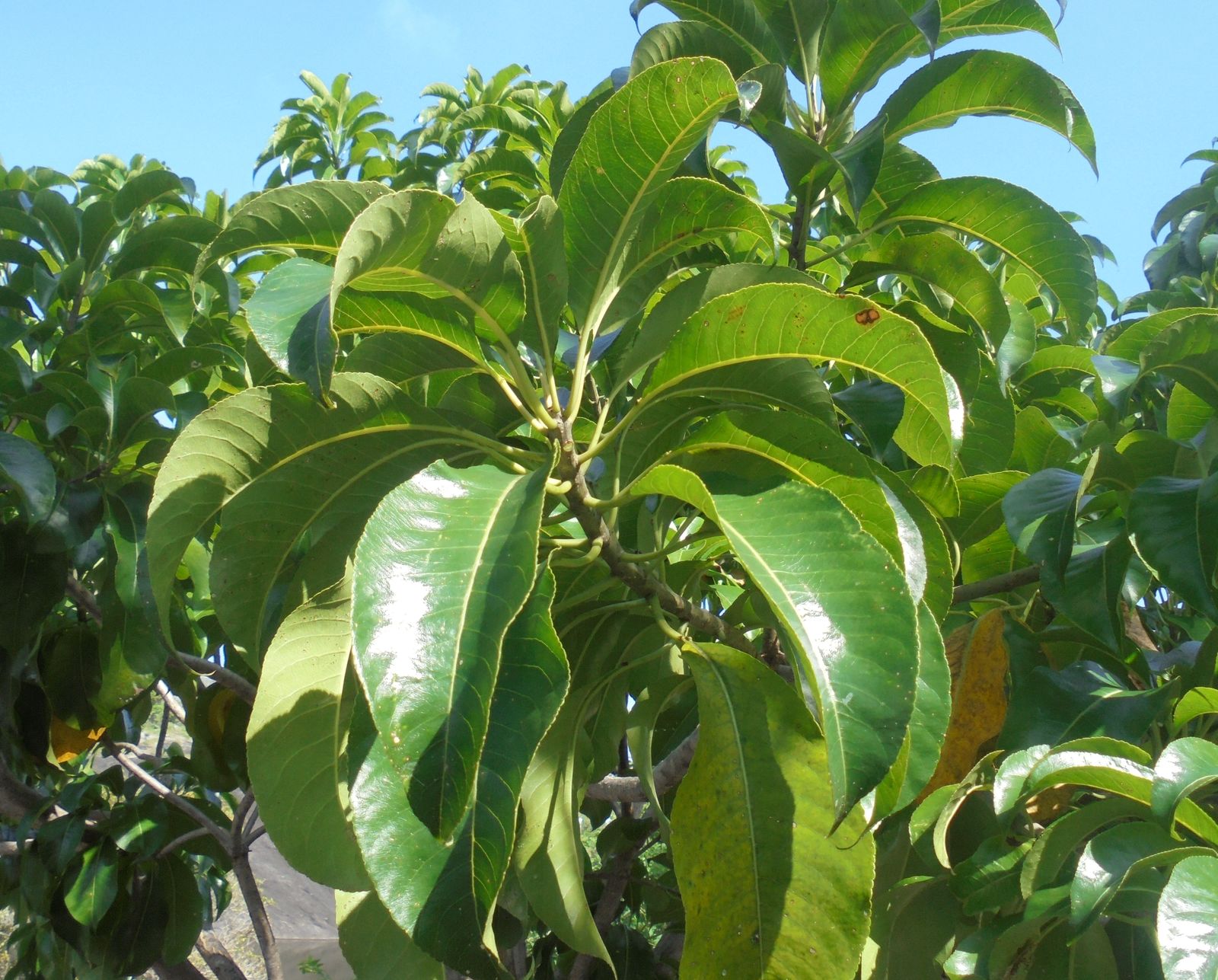
Falconeria
Falconeria is a monotypic plant genus in the family Euphorbiaceae, first described as a genus in 1839. The genus is sometimes included within the genus Sapium. The sole species is Falconeria insignis. The plant is found from India, Nepal, Bangladesh, and Sri Lanka to Indochina, China (Hainan, Sichuan, Yunnan), Thailand and Peninsular Malaysia.
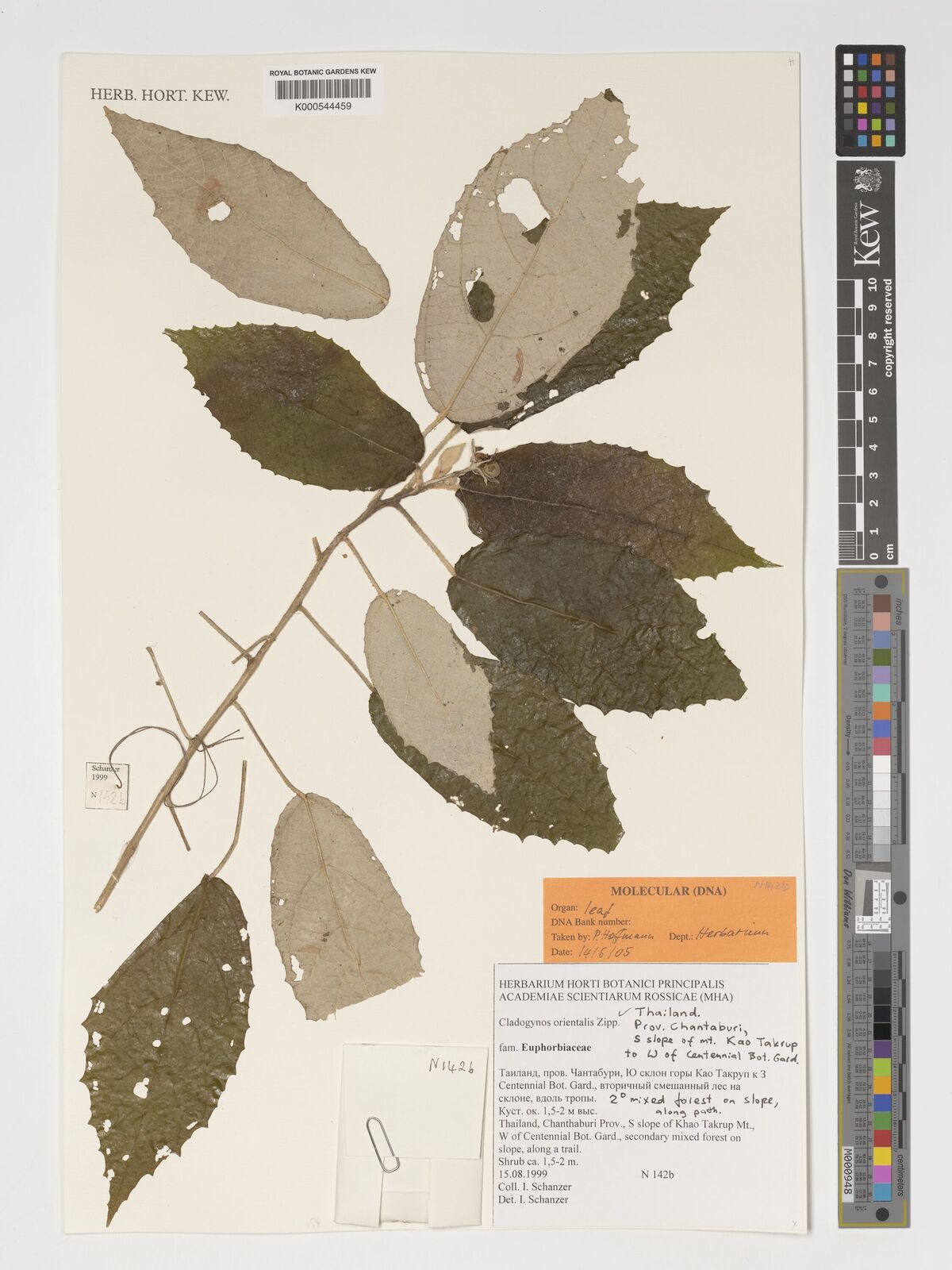
Cladogynos
Cladogynos is a genus of shrubs in the family Euphorbiaceae, first described as a genus in 1841. It contains only one known species, Cladogynos orientalis, native to Southeast Asia (Thailand, Vietnam, Cambodia, Malaysia, Indonesia, Philippines) and southern China (Guangxi Province).
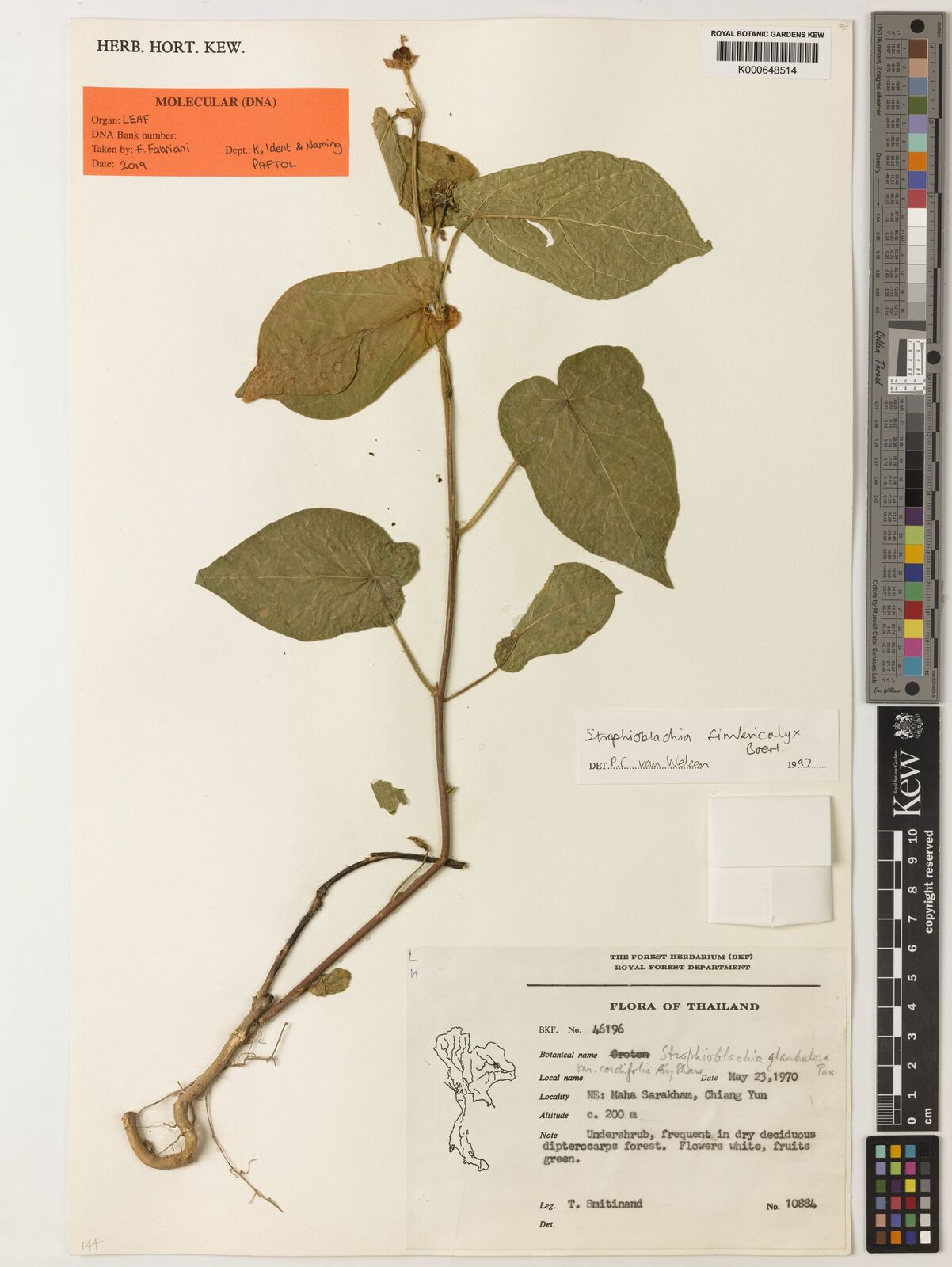
Strophioblachia
Strophioblachia is a genus of plants in the family Euphorbiaceae first described as a genus in 1900. It contains only one known species, Strophioblachia fimbricalyx, native to southern China (Yunnan, Guangxi), E Indochina (Vietnam, Cambodia, Thailand), the Philippines, and Sulawesi.
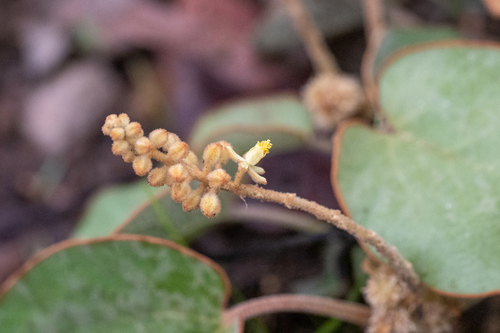
Thyrsanthera
Thyrsanthera is a genus of plants in the Euphorbiaceae first described as a genus in 1925. It contains only one known species, Thyrsanthera suborbicularis, native to Thailand, Cambodia, Vietnam, and possibly Laos.