Category
page 1Monotypic Poales genera

Prionium serratum
Prionium serratum, the palmiet, is a robust, evergreen, semiaquatic, rhizomatous flowering plant growing to in height. It is the only species in the genus Prionium, and is endemic to South Africa (Cape Province and KwaZulu-Natal). Some authors have separated Prionium from the Thurniaceae, putting it instead in its own family, the Prioniaceae.

Achlyphila
Achlyphila is a genus of plants in the Xyridaceae, first described as a genus in 1960. It contains only one known species, Achlyphila disticha, endemic to the Serranía de la Neblina National Park in the State of Amazonas in southern Venezuela, very close to the border with Brazil.
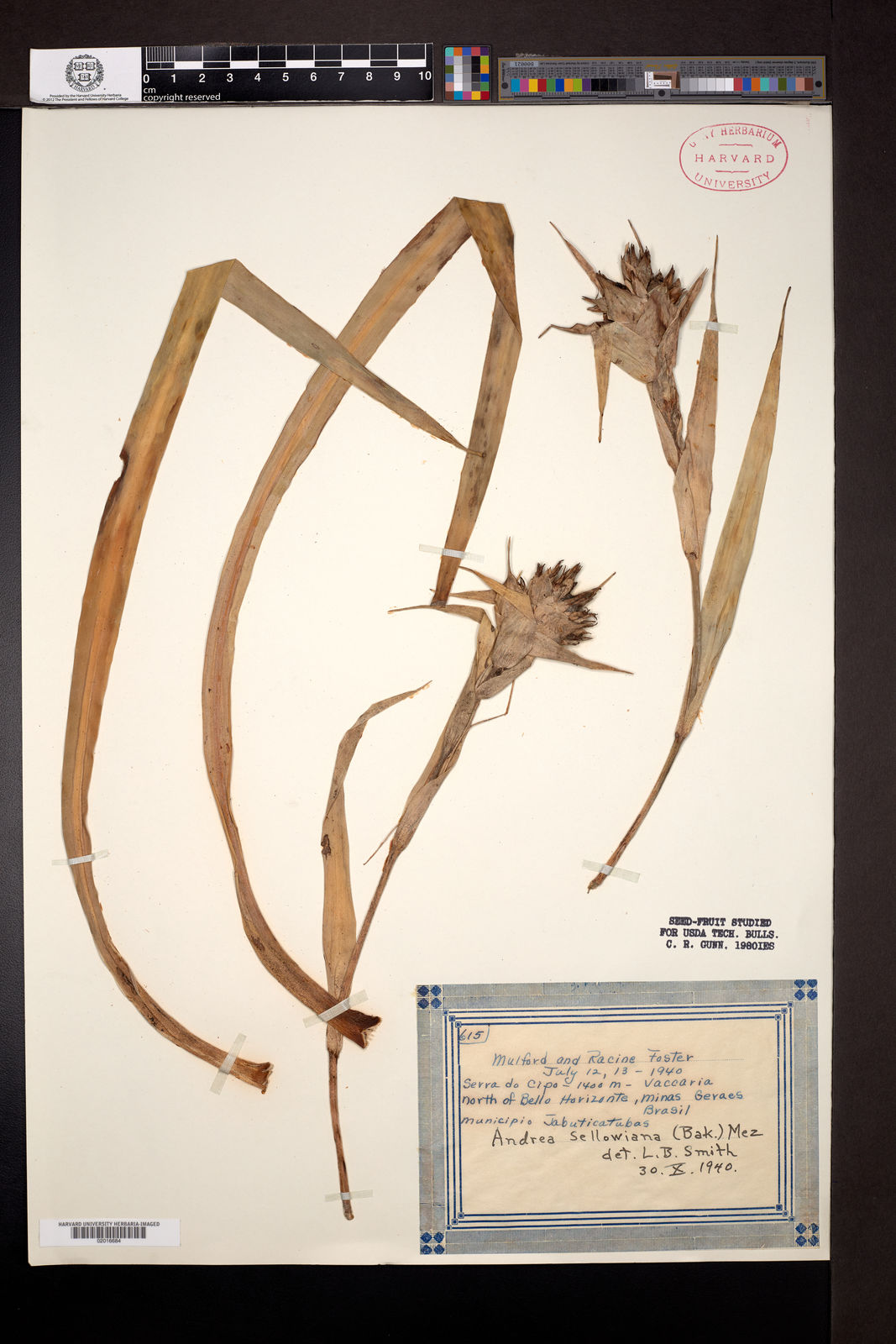
Eduandrea selloana
Eduandrea is a monotypic genus plants in the family Bromeliaceae, subfamily Bromelioideae.
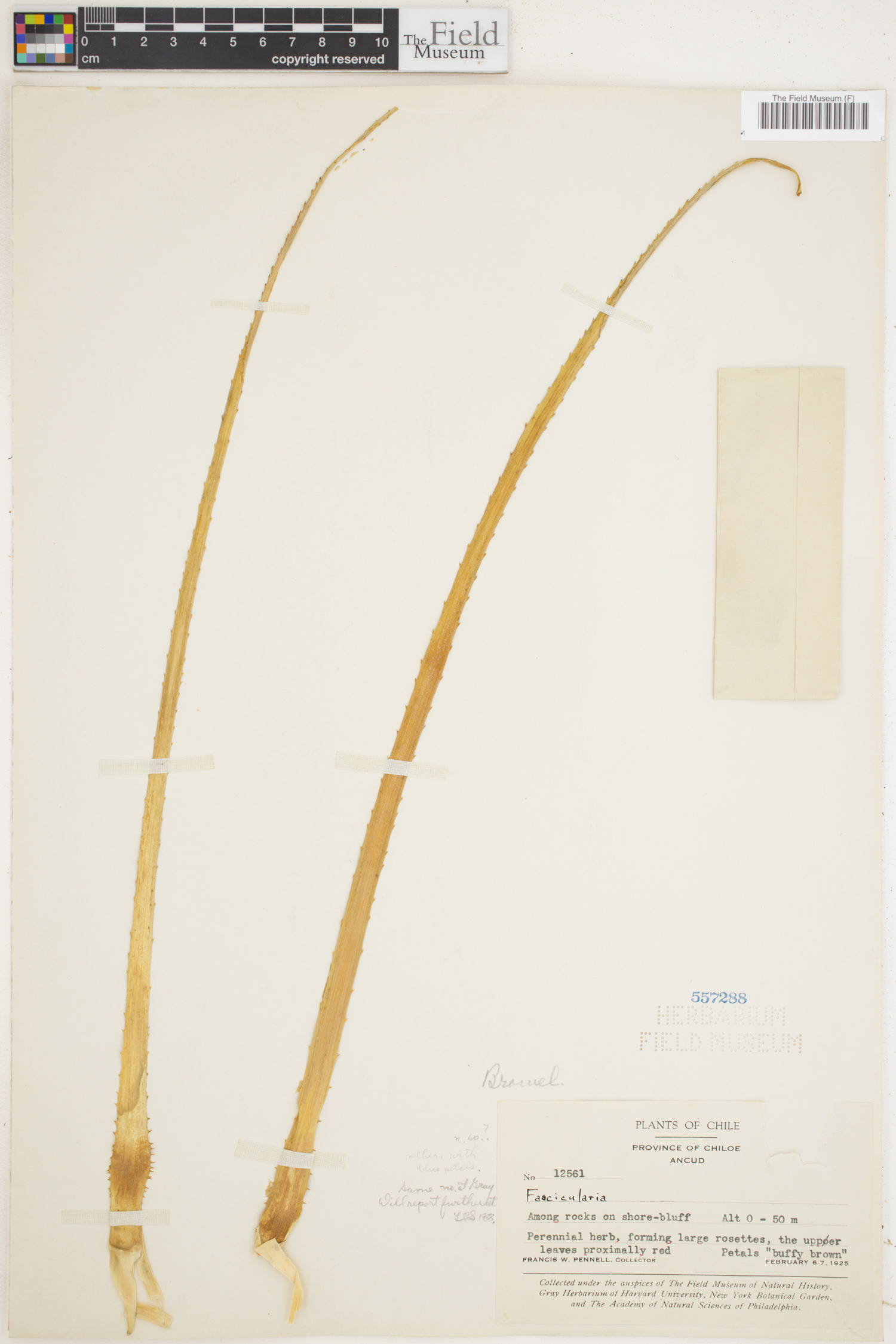
Fascicularia
Fascicularia is a monotypic genus of flowering plants in the pineapple family Bromeliaceae, subfamily Bromelioideae. The genus name is from the Latin fasciculus (bundle) and arius (pertaining to).
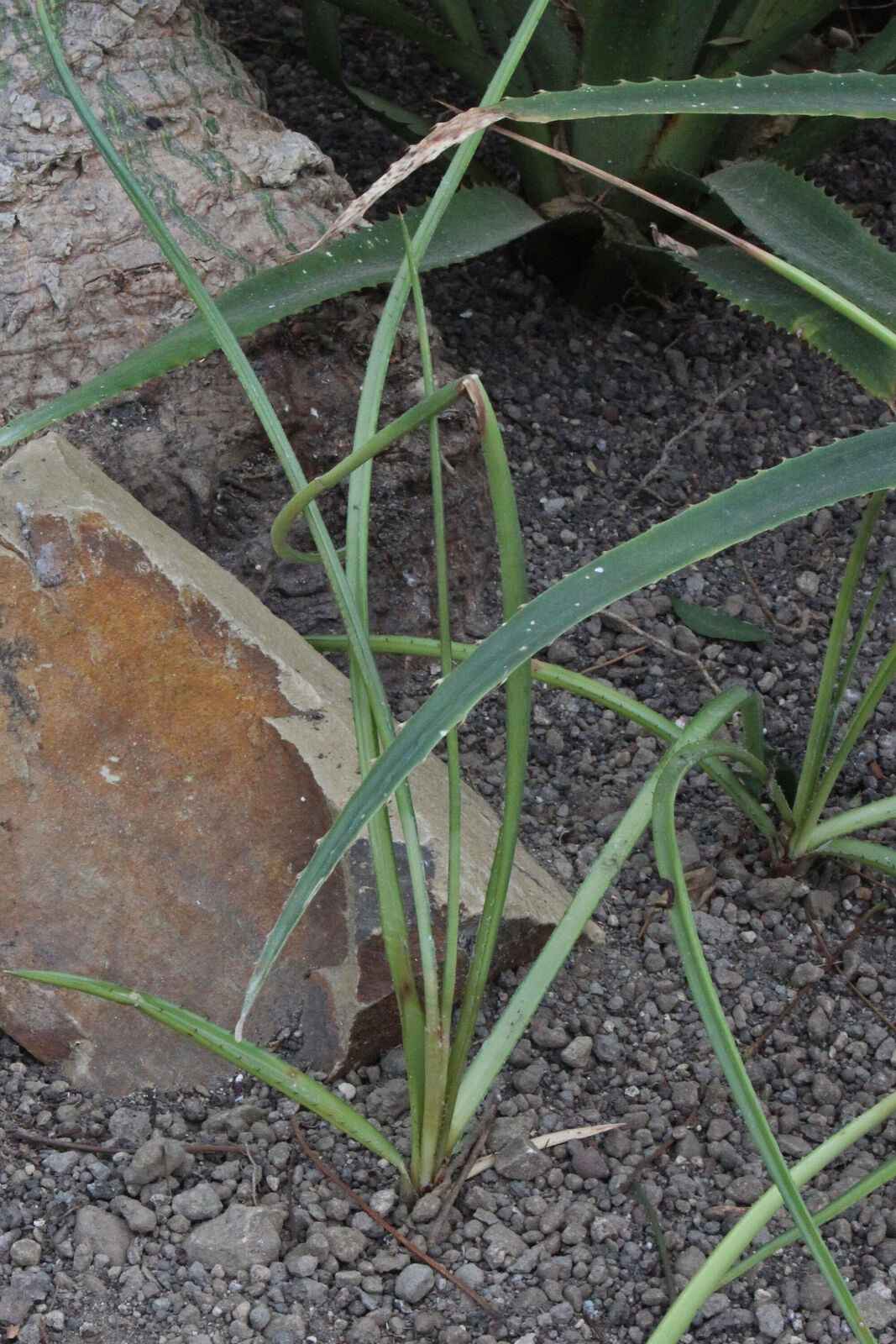
Deinacanthon
Deinacanthon is a genus of flowering plants in the family Bromeliaceae, subfamily Bromelioideae. The genus name is from the Greek “deinos” - terrible and “anthos” - flower. It contains a single species, Deinacanthon urbanianum, native to Bolivia, Paraguay and Argentina. In Spanish, it is known as cháguar.
Zizkaea
Zizkaea is a monotypic genus of flowering plants belonging to the family Bromeliaceae. It only contains one known species, Zizkaea tuerckheimii.
==Taxonomy==
The genus name of Zizkaea is in honour of Georg Zizka (b. 1955), a German evolutionary botanist and also specialist in Bromeliaceae. The Latin specific epithet of tuerckheimii refers to Hans von Türckheim (1853-1920), a German plant collector.
Both the genus and the species were first described and published in Phytotaxa Vol.279 on page 55 in 2016.
==Distribution==
It is native to the Dominican Republic and Haiti on the island of Hispanio
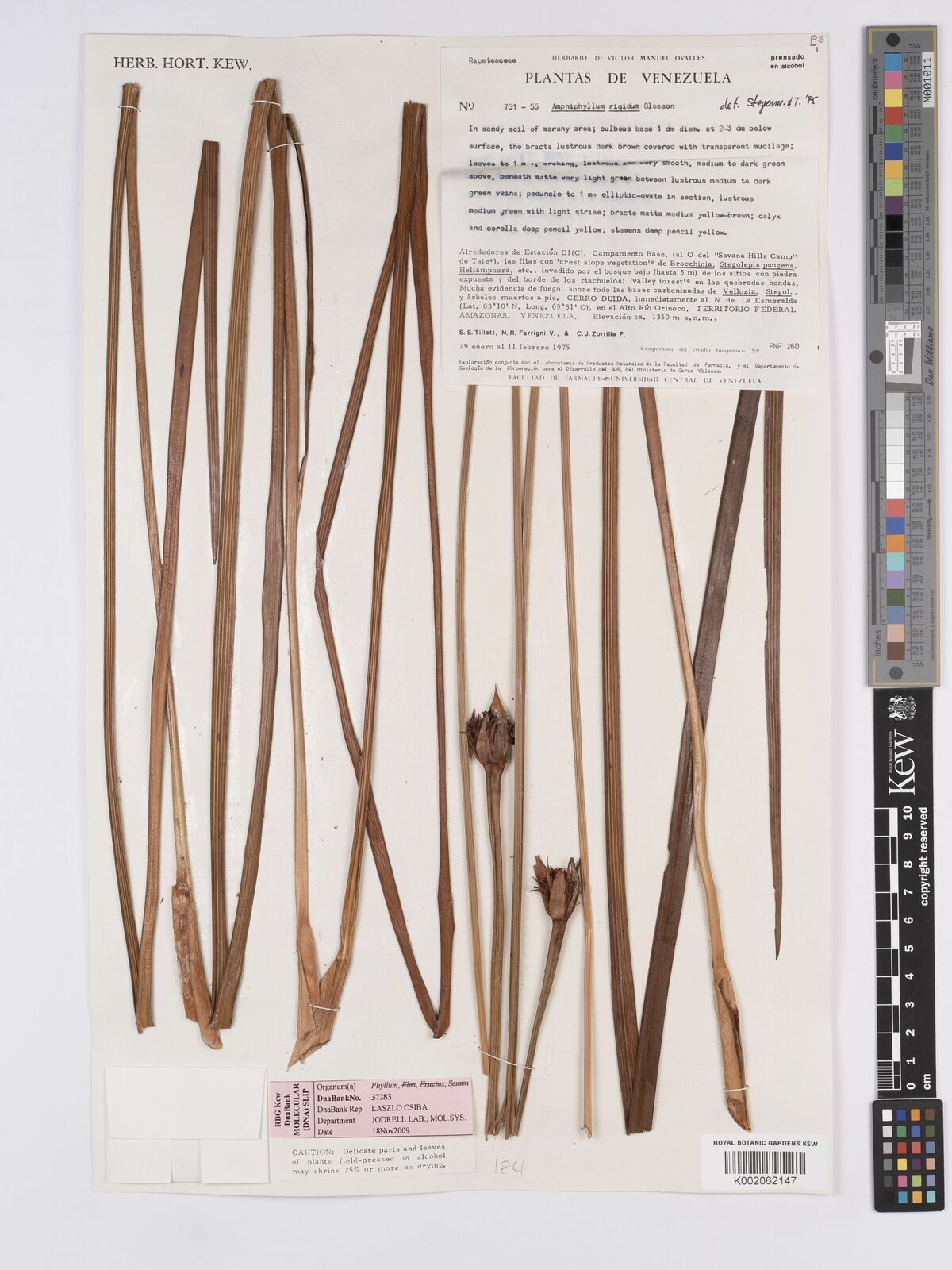
Amphiphyllum
Amphiphyllum is a group of plants in the family Rapateaceae described as a genus in 1931.
Dielsia
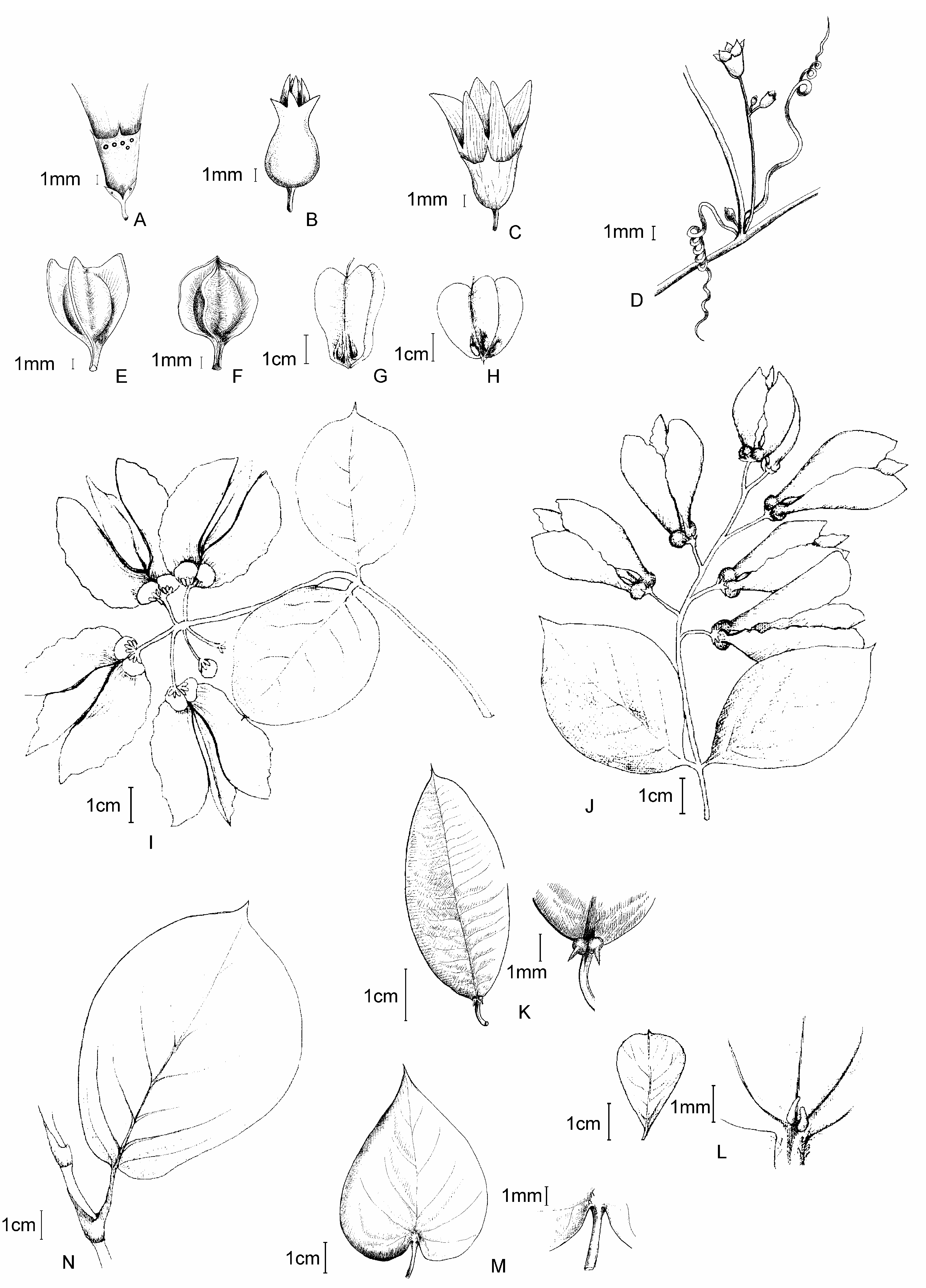
Dielsia is a genus of flowering plant, described in 1904, in the family Restionaceae. There is only one known species, Dielsia stenostachya, endemic to Southwest Australia.
Aratitiyopea
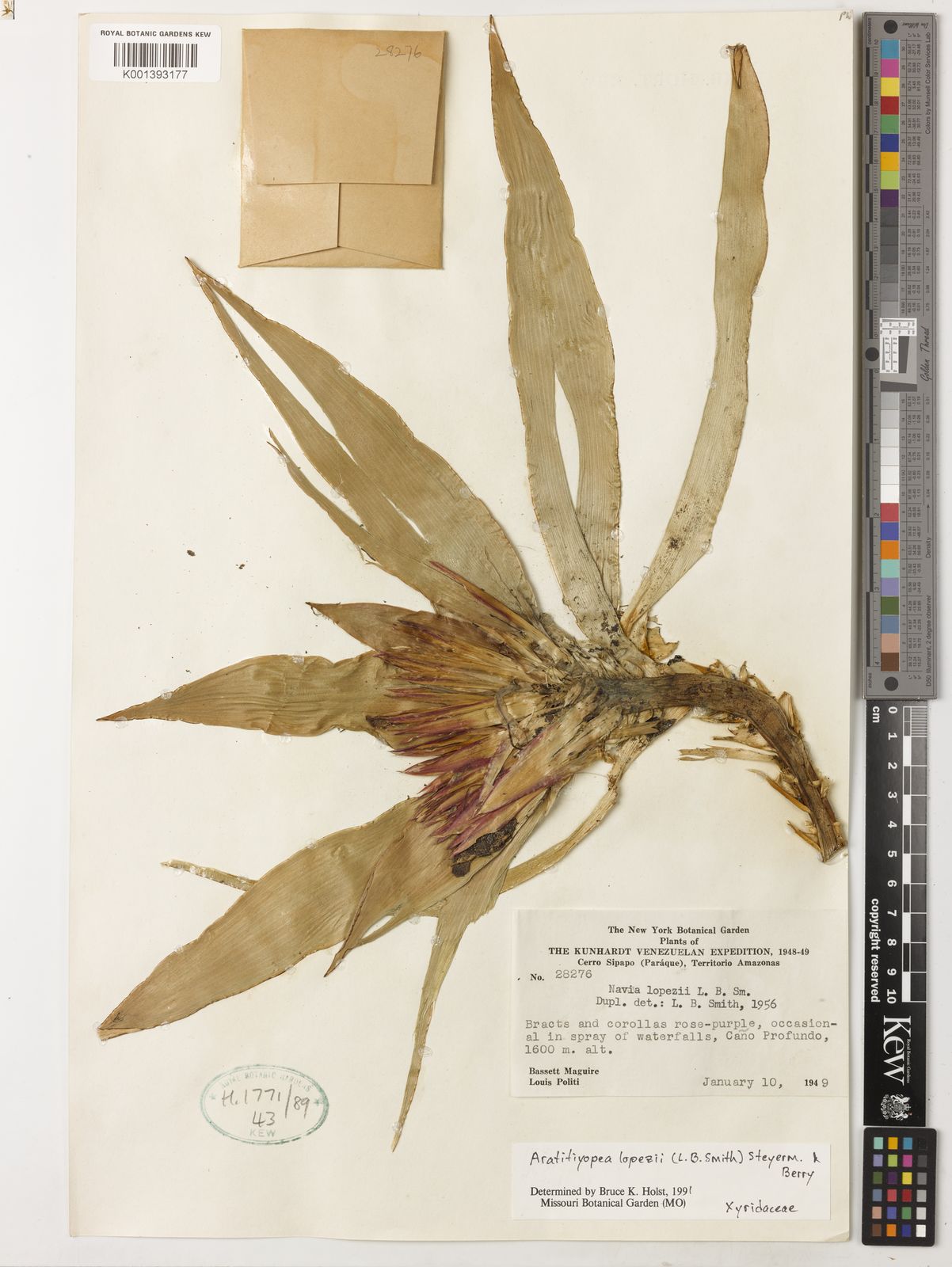
Aratitiyopea is a monotypic genus of flowering plants, in the family Xyridaceae containing the single species Aratitiyopea lopezii. The genus was erected and described in 1984. This species is native to northern South America (Venezuela, Colombia, Peru, and northwestern Brazil).

Marahuacaea
Marahuacaea is a group of plants in the family Rapateaceae described as a genus in 1984.
Cytogonidium
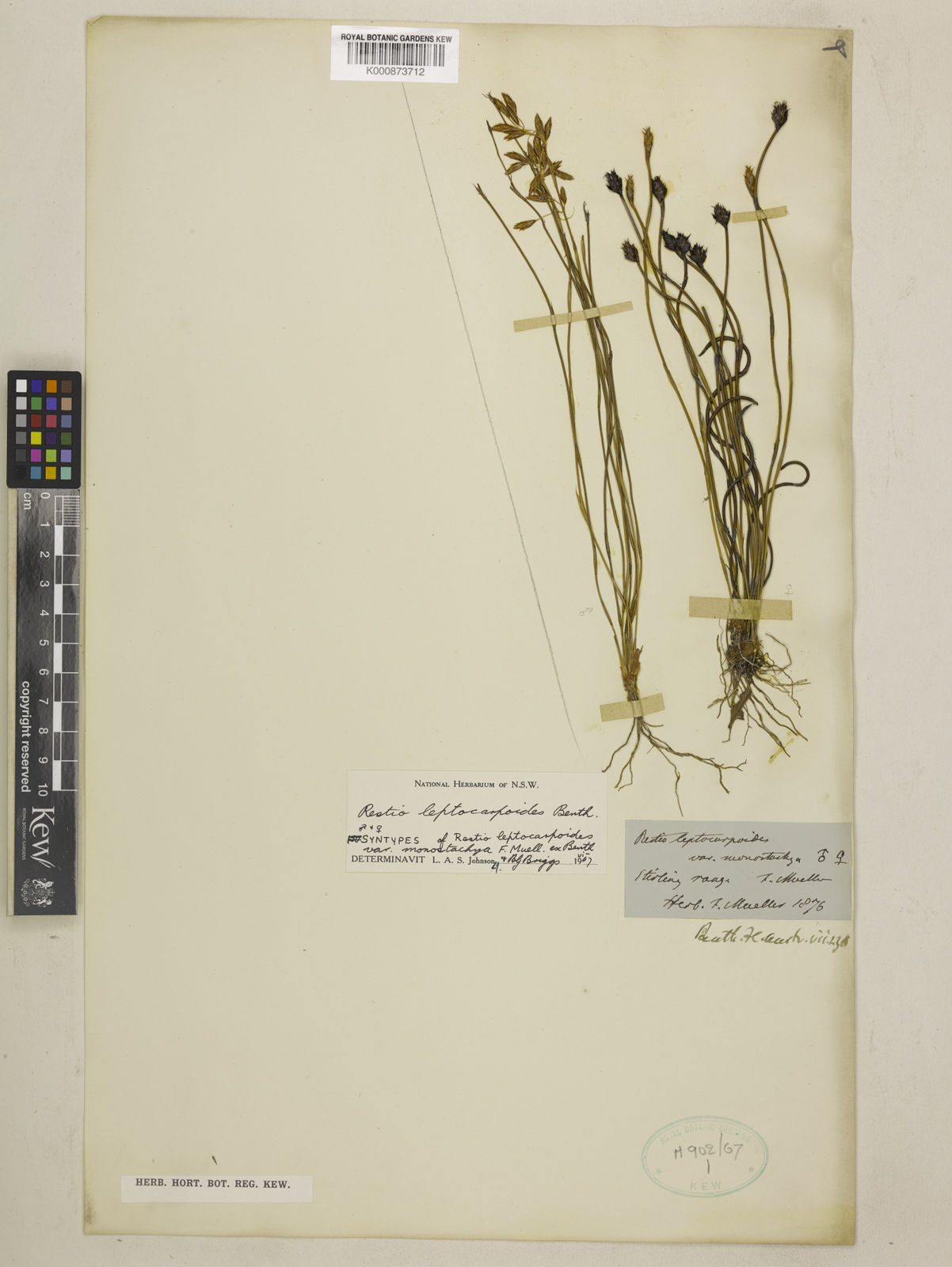
Cytogonidium is a genus of flowering plants belonging to the family Restionaceae. It contains a single species, Cytogonidium leptocarpoides, which is native to Southwest Australia.
Coleocarya
Coleocarya is a group of plants in the Restionaceae described as a genus in 1943. There is only one known species, Coleocarya gracilis, endemic to Australia (New South Wales and southeastern Queensland).
Taraxis
Taraxis is a genus of flowering plants belonging to the family Restionaceae. It includes a single species, Taraxis grossa, a rhizomatous geophyte native to Southwest Australia.
Potarophytum
Potarophytum is a group of plants in the family Rapateaceae described as a genus in 1939.
Windsorina
Windsorina is a group of plants in the family Rapateaceae described as a genus in 1923.
Maschalocephalus
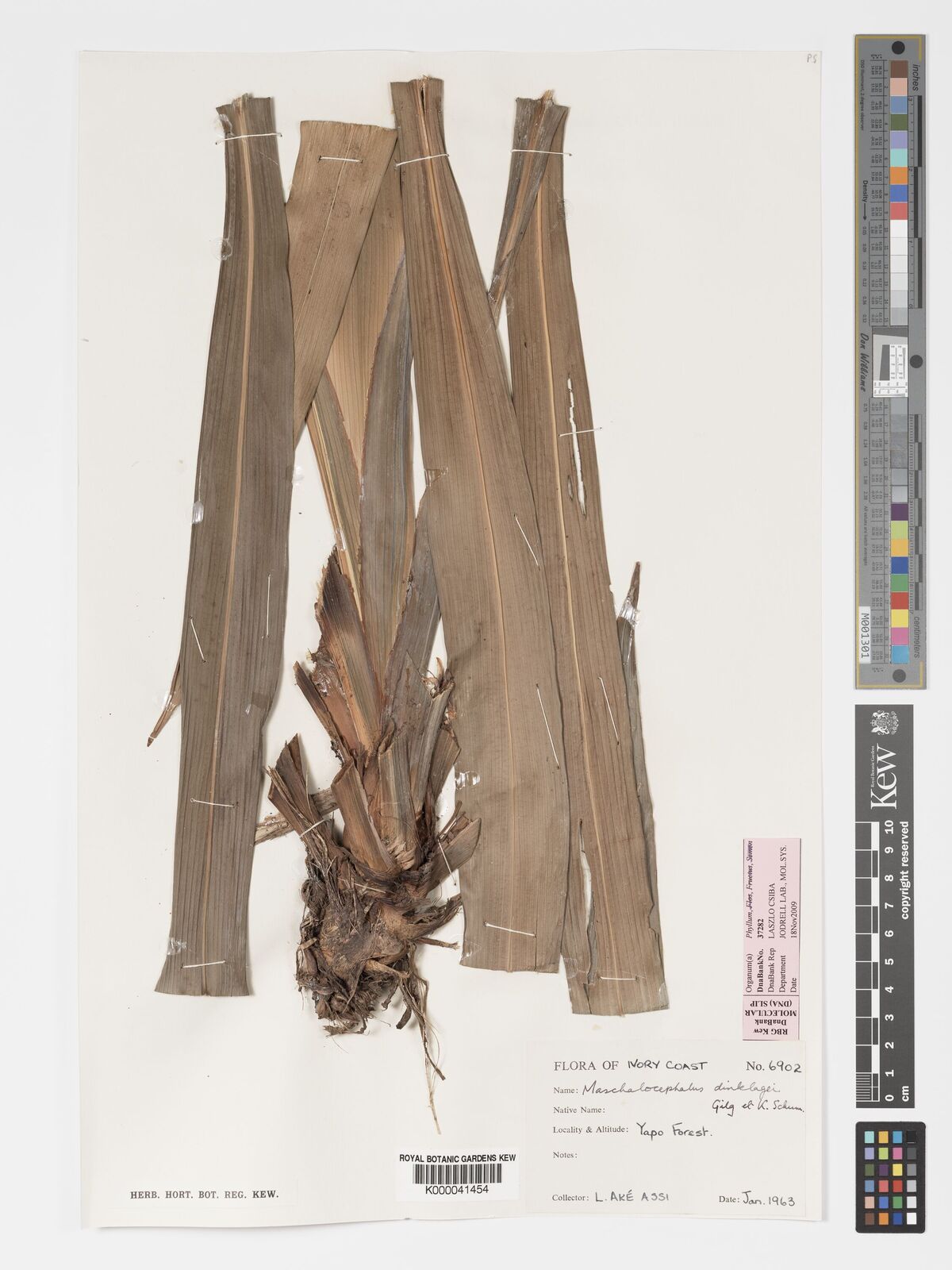
Maschalocephalus is a genus of plants in the family Rapateaceae first described in 1900.
Phelpsiella
Phelpsiella is a group of plants in the family Rapateaceae described as a genus in 1958.
Melanostachya
Melanostachya is a monotypic genus of flowering plants belonging to the family Restionaceae. The only species is Melanostachya ustulata.
Georgeantha
Georgeantha is a monotypic genus of herbaceous, rhizomatous plant endemic to Western Australia. The sole species is Georgeantha hexandra. The genus is named after Western Australian botanist Alex George, and the specific epithet, "hexandra", is said to refer to the six (Greek, hexa) stamens (, male). The proper word for "six" in ancient Greek is however hex (ἕξ). No words in ancient Greek can be found on , however words on (-ανδρος) are attested, such as (μίσανδρος, hating men) and (πολύανδρος, full of men, populous) with (ἀνήρ) as proper word for man.