Category
page 1Monotypic rodent genera

Indian gerbil
species of mammal

Luzon Broad-toothed Rat
species of mammal

Highland brush mouse
species of mammal

Pseudoryzomys simplex
Pseudoryzomys simplex, also known as the Brazilian false rice rat or false oryzomys, is a species of rodent in the family Cricetidae from south-central South America. It is found in lowland palm savanna and thorn scrub habitats. It is a medium-sized species, weighing about , with gray–brown fur, long and narrow hindfeet, and a tail that is about as long as the head and body. The IUCN has assessed its conservation status as being of least concern, although almost nothing is known about its diet or reproduction.
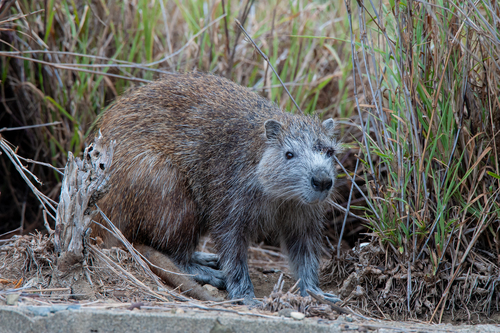
Mysateles
REDIRECTPrehensile-tailed hutia
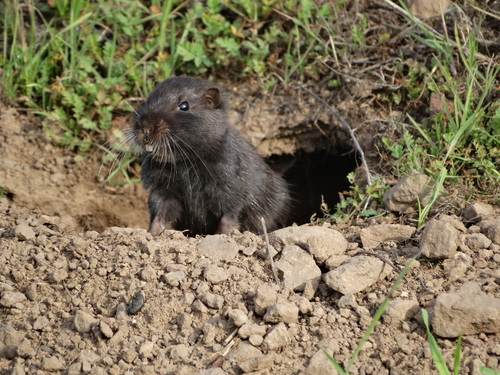
Spalacopus
REDIRECT Coruro
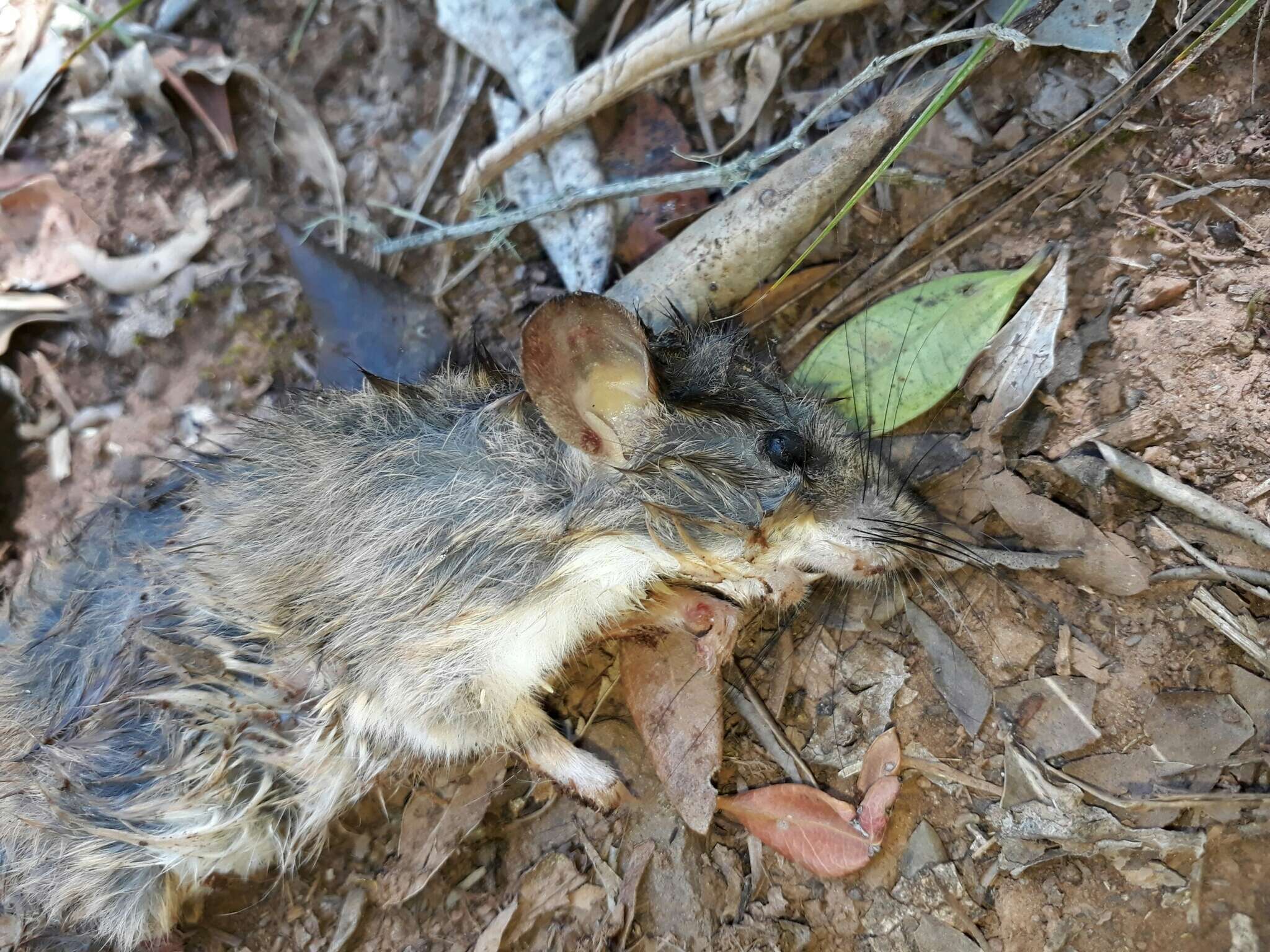
Myomyscus
REDIRECTVerreaux's mouse
Brotomys
REDIRECT Hispaniolan edible rat
Aplodontia
REDIRECT Mountain beaver
Eremoryzomys
Eremoryzomys polius, also known as the gray rice rat or the Marañon oryzomys, is a rodent species in the tribe Oryzomyini of the family Cricetidae. Discovered in 1912 and first described in 1913 by Wilfred Osgood, it was originally placed in Oryzomys and named Oryzomys polius. In 2006, a cladistic analysis found that it was not closely related to Oryzomys in the strict sense or to any other oryzomyine then known, so that it is now placed in its own genus, Eremoryzomys. The Brazilian genus Drymoreomys, named in 2011, is probably the closest relative of Eremoryzomys. Eremoryzomys has a limited d
Tscherskia
REDIRECT Greater long-tailed hamster
Megaoryzomys
Megaoryzomys curioi, also known as the Galápagos giant rat, is an extinct species of sigmodontine rodent, known only from Santa Cruz Island in the Galápagos Islands. It likely met its demise when European settlers introduced invasive species to the island. It is the only species in the genus Megaoryzomys. Its relationships have historically been unclear; it has been placed in both Oryzomyini and Thomasomyini in the past. A 2021 study favoured placing it in the former on overall skull morphology.

Lundomys
Lundomys molitor, also known as '''Lund's amphibious rat or the greater marsh rat''', is a semiaquatic rat species from southeastern South America.
Saxatilomys
Saxatilomys paulinae, ''Paulina's limestone rat, is a species of murid rodent native to central Laos and Vietnam, separated to a monotypic genus Saxatilomys. It was first discovered in the Khammouan Limestone National Biodiversity Conservation Area in Khammouan Province, Laos, and also been found in the Vietnamese province of Quang Bình. It is the only known species in the genus Saxatilomys. The genus name is derived from the Latin saxatilis, meaning "among the rocks" and the Greek mys'', meaning mouse or rat.

Sooretamys
Sooretamys angouya, also known as the rat-headed rice rat, and Paraguayan rice rat, is a rodent species from South America. It is found in northeastern Argentina, southern Brazil and Paraguay in forested areas within the Atlantic Forest and cerrado. Since 2006, it has been classified as the only species in the genus Sooretamys; previously, it was included in the genus Oryzomys. Its taxonomic history has been complex, with the names Oryzomys angouya, Oryzomys buccinatus, and Oryzomys ratticeps in use for various parts of the species at different times. Some variation in its karyotype has been r
Atlantoxerus
REDIRECT Barbary ground squirrel

Spermophilopsis
REDIRECT Long-clawed ground squirrel
Noronhomys
Noronhomys vespuccii, also known as '''Vespucci's rodent''', is an extinct rat species from the islands of Fernando de Noronha off northeastern Brazil. Italian explorer Amerigo Vespucci may have seen it on a visit to Fernando de Noronha in 1503, but it subsequently became extinct, perhaps because of the exotic rats and mice introduced by the first explorers of the island. Numerous but fragmentary fossil remains of the animal, of uncertain but probably Holocene age, were discovered in 1973 and described in 1999.
Pithecheirops
REDIRECT Bornean pithecheirops
Phaenomys
REDIRECT Rio de Janeiro arboreal rat
Anonymomys
REDIRECT Mindoro climbing rat
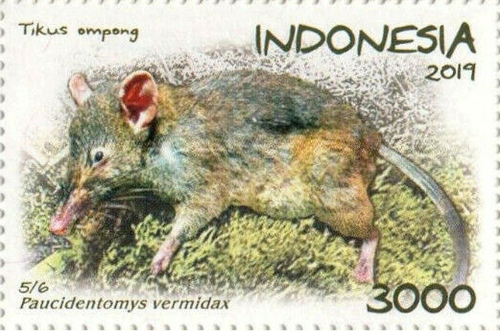
Paucidentomys
REDIRECT Edented Sulawesi rat
Paulamys
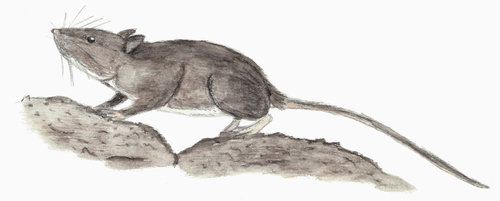
Paulamys is a genus of rat. Its only known member is Paulamys naso, a species endemic to Flores Island, Indonesia. Paulamys naso was first described from subfossil fragments collected in the 1950s by Theodor Verhoeven and was named Floresomys naso by Guy Musser in 1981. Since Floresomys was preoccupied, Musser changed the name to Paulamys, after Verhoeven's life partner Paula Hamerlinck. A living specimen was reported from the montane forest of western Flores in 1989. It is recorded as common between above sea level on the volcanic mountain Gunung Ranakah, but is believed to be threatened by h
Drymoreomys
Drymoreomys is a rodent genus in the tribe Oryzomyini that lives in the Atlantic Forest of Brazil. The single species, D. albimaculatus, is known only from the states of São Paulo and Santa Catarina and was not named until 2011. It lives in the humid forest on the eastern slopes of the Serra do Mar and perhaps reproduces year-round. Although its range is relatively large and includes some protected areas, it is patchy and threatened, and the discoverers recommend that the animal be considered "Near Threatened" on the IUCN Red List. Within Oryzomyini, Drymoreomys appears to be most closely
Malpaisomys
REDIRECT Lava mouse
Baletemys
The Kampalili shrew-mouse or the Kampalili baletemys (Baletemys kampalili) is a species of rodent in the family Muridae. It is the only species in the genus Baletemys. It is found only on Mount Kampalili, in the highlands of eastern Mindanao, in the Philippines.
Ammodillus
REDIRECT Ammodile
Allactodipus
REDIRECT Bobrinski's jerboa
Brachiones
REDIRECT Przewalski's gerbil
Waiomys
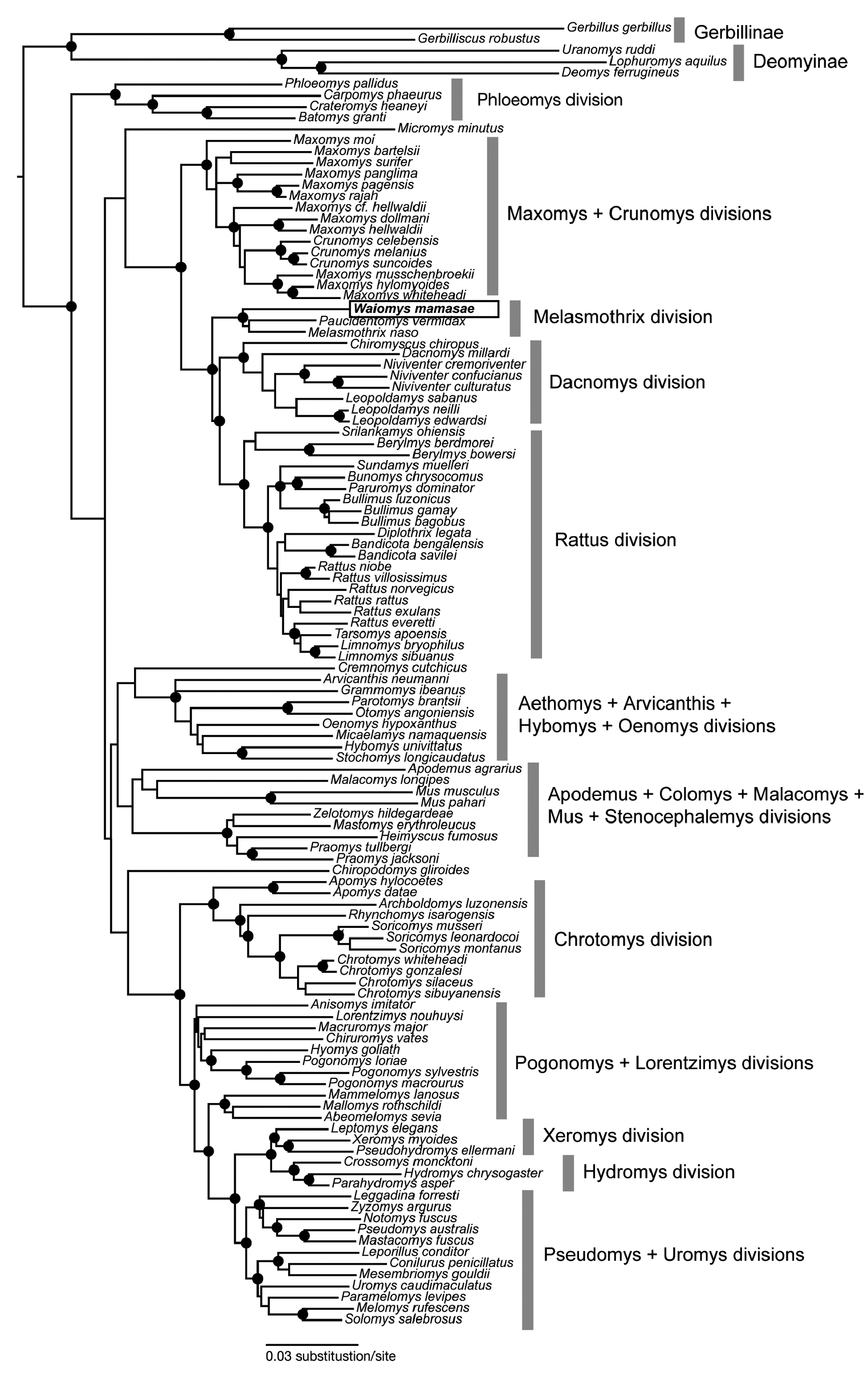
Waiomys is a genus of rodents from the family Muridae. It is endemic to Sulawesi, Indonesia. The genus is monotypic, consisting of the species Waiomys mamasae (Sulawesi water rat). It is known only from Mount Gandangdewata, Mamasa Regency, West Sulawesi.