Category
page 1Mosquitoes

Mosquito
Mosquitoes, the Culicidae, are a family of small flies consisting of 3,600 species. The word mosquito (formed by mosca and diminutive -ito) is Spanish and Portuguese for little fly. Mosquitoes have a slender, segmented body, one pair of wings, three pairs of long hair-like legs, and specialized, highly elongated, piercing-sucking mouthparts. All mosquitoes drink nectar from flowers; females of many species have adapted to also drink blood. The group diversified during the Cretaceous period. Evolutionary biologists view mosquitoes as micropredators, small animals that parasitise larger ones by

mosquito net
fine net used to exclude mosquitos and other biting insects
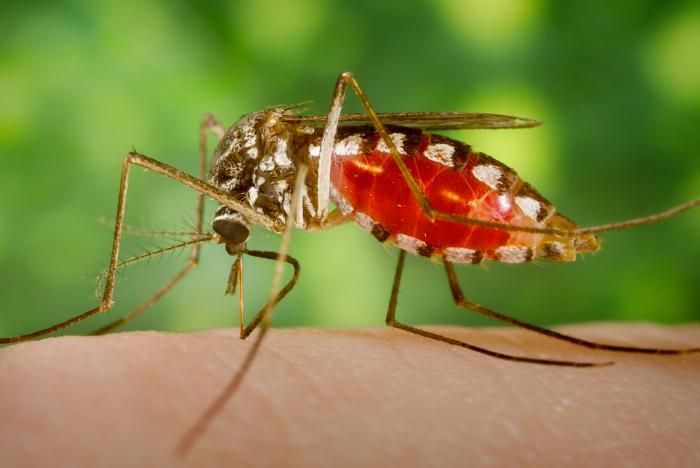
Armigeres
Armigeres is a genus of mosquito belonging to the family Culicidae. Certain species of Armigeres within this genus have the ability to raise their hindlegs and create an egg raft, which they use to transport and deposit eggs onto the water's surface.
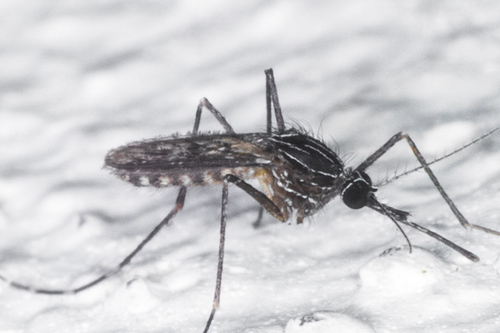
Orthopodomyia
Orthopodomyia is a genus of mosquitoes in the family Culicidae. There are at least 40 described species in Orthopodomyia.
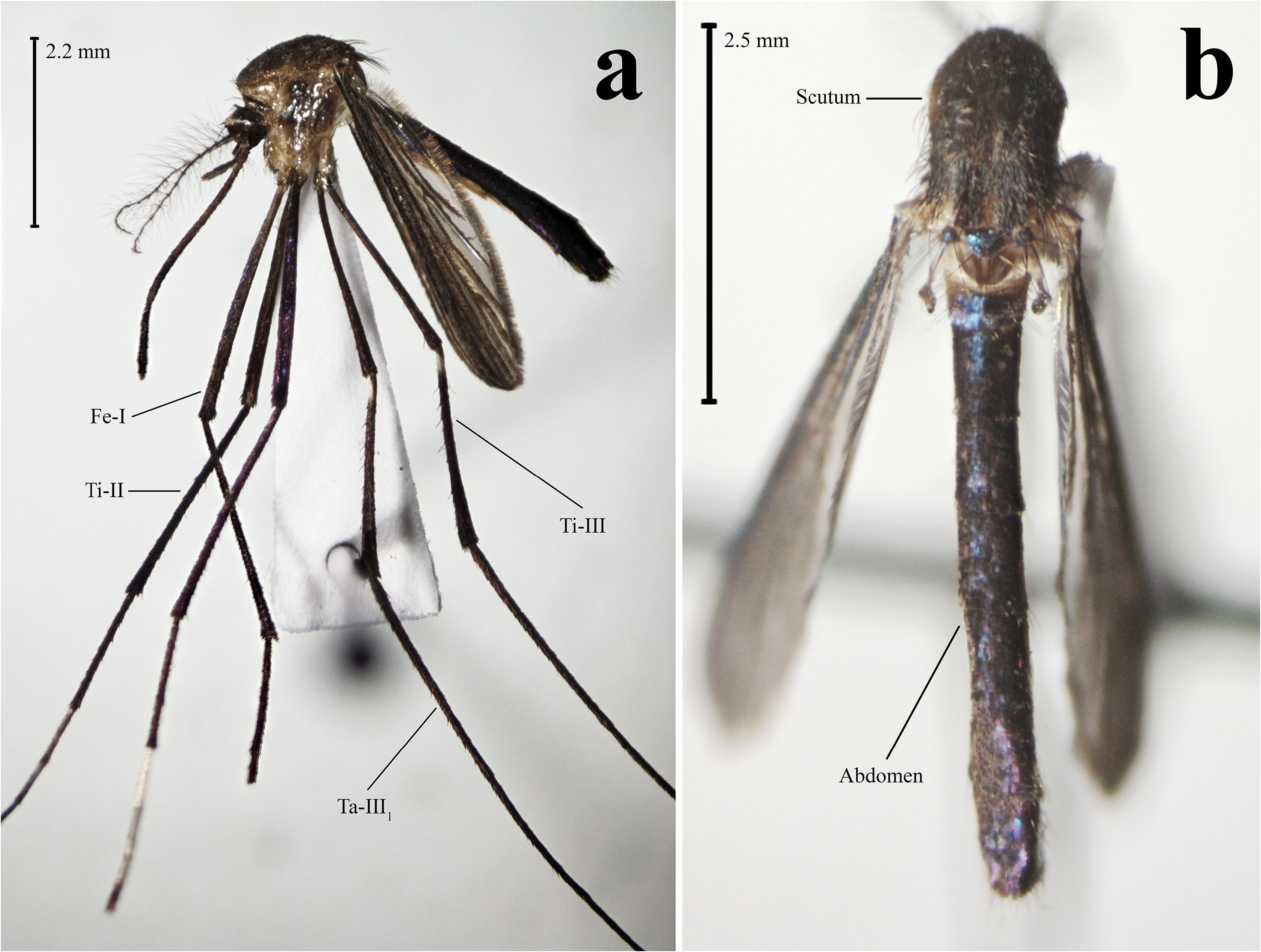
Trichoprosopon
Trichoprosopon is a genus of mosquitoes which occurs in the Neotropical region, ranging from Mexico south to Argentina. There are currently 17 described species recognized, but there is also an unknown number of undescribed species. They are a poorly understood group with a confused taxonomic history.They are sometimes referred to as hairy-lipped mosquitoes.
mosquito control
efforts to reduce health risks from mosquitoes
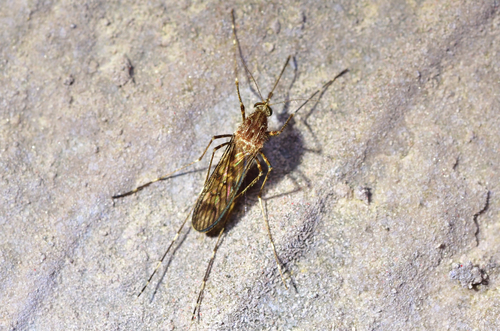
Culiseta particeps
species of insect
mosquito bite allergy
excessive reactions to mosquito bites