Category
page 1Motor control

paralysis
Paralysis (: paralyses; also known as plegia) is a loss of motor function in one or more muscles. Paralysis can also be accompanied by a loss of feeling (sensory loss) in the affected area if there is sensory damage. In the United States, roughly 1 in 50 people have been diagnosed with some form of permanent or transient paralysis. The word "paralysis" derives from the Greek παράλυσις, meaning "disabling of the nerves" from παρά (para) meaning "beside, by" and λύσις (lysis) meaning "making loose". A paralysis accompanied by involuntary tremors is usually called "palsy".

biomechanics
thumb|300px|left|Ribosome translating [[DNA is a biological machine. Such protein domain dynamics can only be seen by neutron spin echo spectroscopy]]
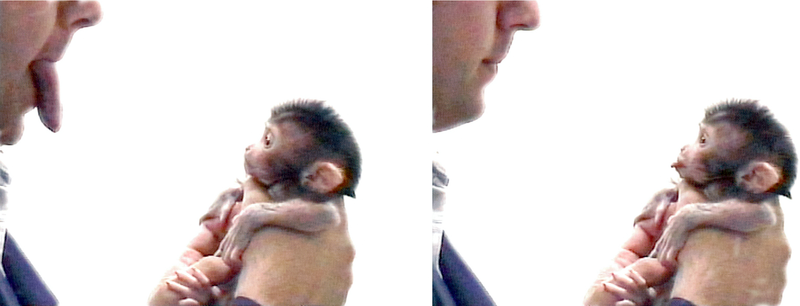
mirror neuron
type of neuron associated with empathy

kinesiology
upright=1.15|thumb|A series of images that represent research (left) and practice (right) in the field of academic kinesiology
apraxia
Apraxia is a motor disorder caused by damage to the brain (specifically the posterior parietal cortex or corpus callosum), which causes difficulty with motor planning to perform tasks or movements. The nature of the damage determines the disorder's severity, and the absence of sensory loss or paralysis helps to explain the level of difficulty. Children may be born with apraxia; its cause is unknown, and symptoms are usually noticed in the early stages of development. Apraxia occurring later in life, known as acquired apraxia, is typically caused by traumatic brain injury, stroke, dementia, Alz
developmental coordination disorder
neurodevelopmental condition
executive functions
set of cognitive processes that are necessary for the cognitive control of behavior
equilibrioception
physiological sense related to balance
motor skill
learned ability to cause a predetermined movement outcome with maximum certainty
Fitts's law
predictive model of human movement
motor coordination
process and the result of the interaction of various perceptual, control, regulatory and motor elements to form an orderly, purposeful sequence of movements
body schema
postural model that keeps track of limb position
sensory processing
organization of sensory information from a person's body and the external world
mu wave
Synchronized patterns of electrical activity in the part of the brain that controls voluntary movement
motor system
part of the central nervous system that is involved with movement

motor control
regulation of movement in organisms that possess a nervous system
fine motor skill
coordination of small muscles, particularly of the hands and fingers, with the eyes
central pattern generator
biological neural circuit that produces rhythmic outputs in the absence of rhythmic input
motor learning
Any process in which an organism acquires a novel neuromuscular action or movement as the result of experience.
eye–hand coordination
coordinated control of eye movement with hand movement and processing of visual input to guide reaching and grasping along with the use of proprioception of the hands to guide the eyes
speech production
process by which people translate thoughts into verbal words
executive dysfunction
difficulty with accessing executive functions such as organization, planning ahead, and self-monitoring
Submarine
baseball pitch
Bereitschaftspotential
In neurology, the Bereitschaftspotential or BP (German for "readiness potential"), also called the pre-motor potential or readiness potential (RP), is a measure of activity in the motor cortex and supplementary motor area of the brain leading up to voluntary muscle movement. The BP is a manifestation of cortical contribution to the pre-motor planning of volitional movement. It was first recorded and reported in 1964 by Hans Helmut Kornhuber and Lüder Deecke at the University of Freiburg in Germany. In 1965 the full publication appeared after many control experiments.
reciprocal inhibition
operation of opposing sets of muscles
eye movements in reading
Psychomotor retardation
mental and behavioral disorder involves a slowing-down of thought and a reduction of physical movements in an individual
motor imagery
Mental process in which one rehearses a given action
Broken escalator phenomenon
sensation of losing balance or dizziness when stepping onto an escalator which is not working
Psychomotor learning
Relationship between cognitive functions and physical movement
sense of agency
subjective awareness of initiating, executing, and controlling one's own volitional actions
Dahlander pole changing motor
type of multispeed induction motor
Action selection
computing concept
Getting the wind knocked out of you
thumb|upright|Approximate location of the solar plexus
Getting the wind knocked out of you is an idiom that refers to the difficulty of breathing and temporary paralysis of the diaphragm caused by phrenospasm, the reflexive diaphragmatic spasm that occurs when sudden force is applied to the upper central region of the abdomen and the solar plexus. This often happens in contact sports, from a forceful blow to the abdomen, or by falling on the back.
Internal model (motor control)
neural process that simulates the response of the motor system in order to estimate the outcome of a motor command
Motor cognition
sensorimotor rhythm
oscillatory idle rhythm of synchronized electric brain activity