Category
page 1MSX2 games

Tetris
Tetris () is a puzzle video game created by Alexey Pajitnov, a Soviet software engineer, in the mid-1980s. In Tetris, falling pieces consisting of four connected blocks, known as tetrominoes, must be sorted into a pile. Once a horizontal line of the playfield is filled with blocks, the line disappears, granting points and preventing the pile from reaching the top. This gameplay has been used in approximately 220 versions across at least 70 platforms. Newer versions frequently add game mechanics, some of which have become standard. , Tetris is the second-best-selling video game series, with ove
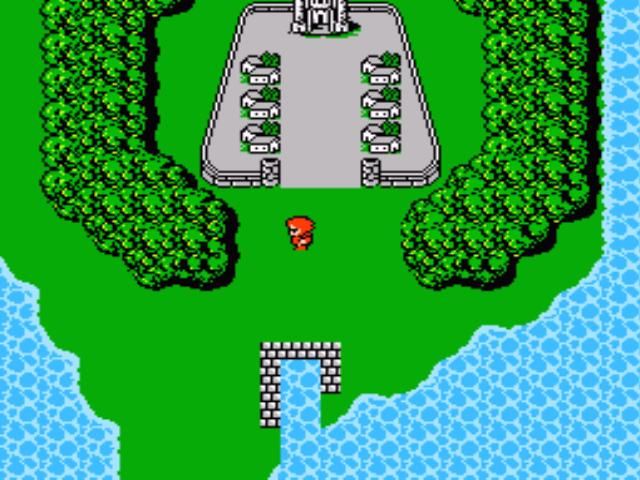
Final Fantasy
1987 role-playing video game originally for the NES
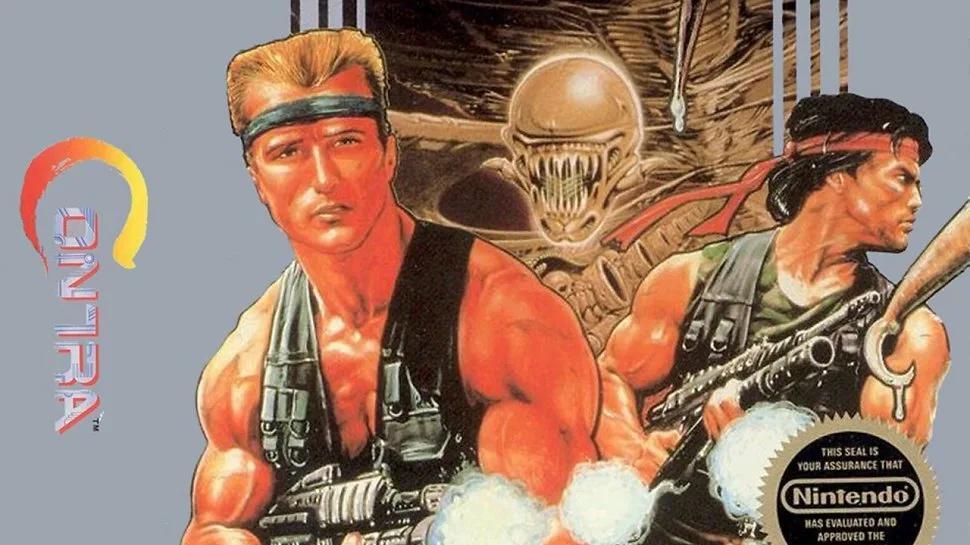
Contra
1987 run and gun action game
Bubble Bobble
1986 video game

Metal Gear
1987 video game by Konami
1942
1984 video game
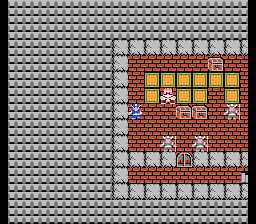
Dragon Quest
1986 role-playing video game
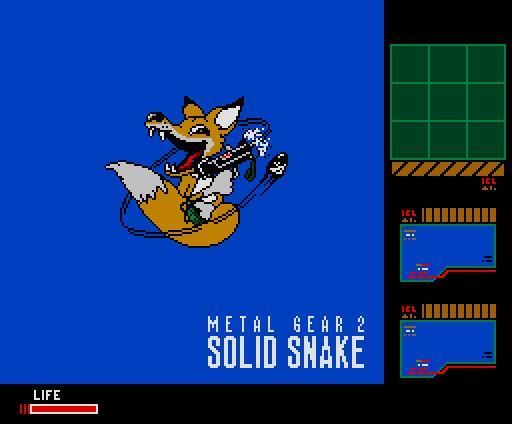
Metal Gear 2: Solid Snake
1990 video game
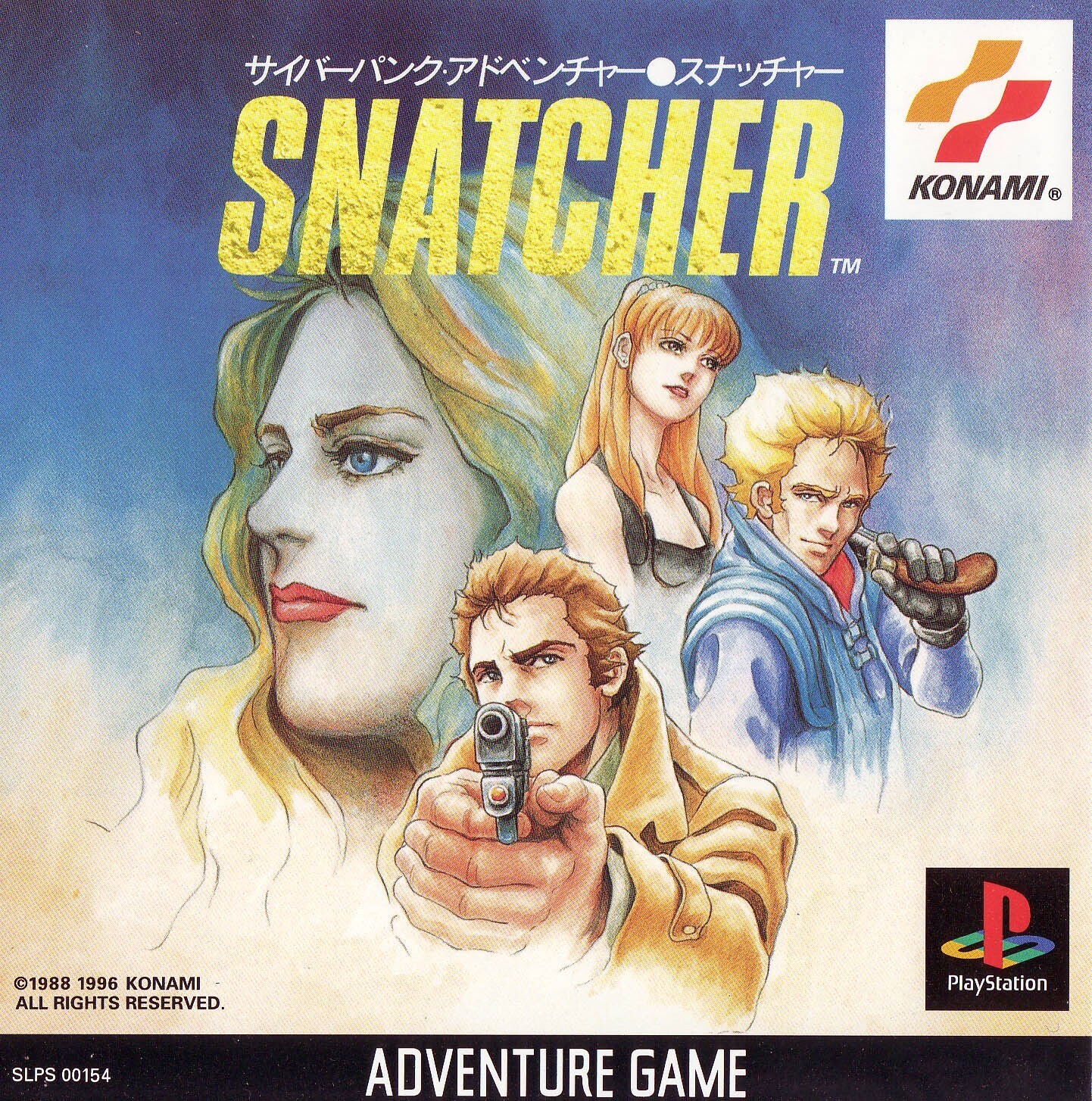
Snatcher
1988 adventure game
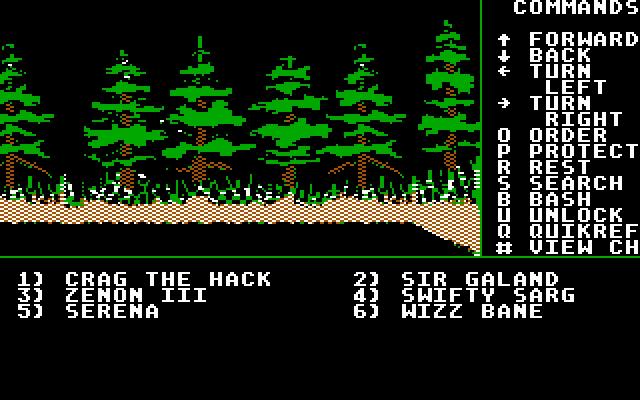
Might and Magic Book One: The Secret of the Inner Sanctum
1986 video game
Vampire Killer
1986 video game
Out Run
1986 video game

R-Type
is a 1987 horizontally scrolling shooter video game developed and published by Irem for arcades. The player controls the R-9 "Arrowhead" starship in its efforts to destroy the Bydo, a powerful alien race bent on wiping out all of mankind. The R-9 can acquire a glowing orb called a "Force", giving limited protection from enemy fire and providing additional firepower.
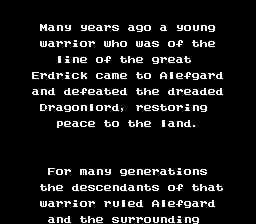
Dragon Quest II
1987 role-playing video game
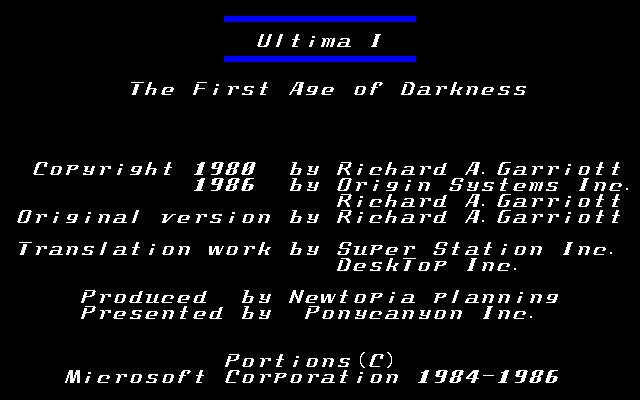
Ultima I: The First Age of Darkness
1981 computer game

M.U.L.E.
M.U.L.E. is a 1983 strategy video game written for Atari 8-bit computers by Ozark Softscape. Designer Danielle Bunten Berry (credited as Dan Bunten) takes advantage of the four joystick ports of the Atari 400 and 800 to allow four-player simultaneous play. Published in 1983, M.U.L.E. was one of the first five games from Electronic Arts, alongside Axis Assassin, Archon: The Light and the Dark, Worms?, and Hard Hat Mack. M.U.L.E. is primarily a turn-based strategy game, but also incorporates real-time elements where players compete directly, as well as aspects that simulate economics.
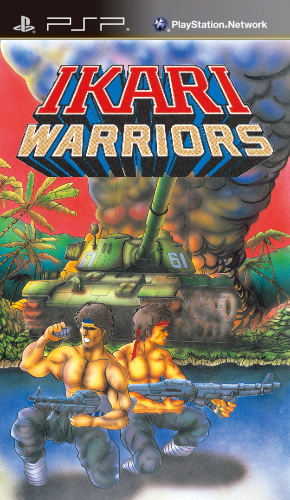
Ikari Warriors
1986 video game
Wizardry: Proving Grounds of the Mad Overlord
1981 video game
Ultima II: The Revenge of the Enchantress
1982 video game
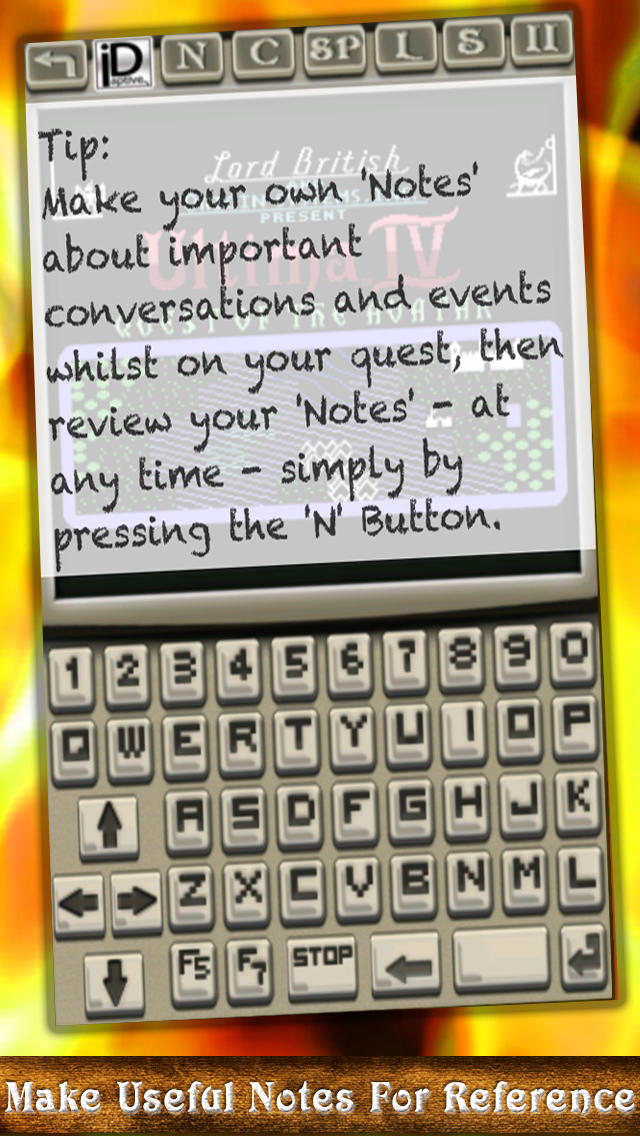
Ultima IV: Quest of the Avatar
1985 video game
Nobunaga's Ambition
role-playing video game series
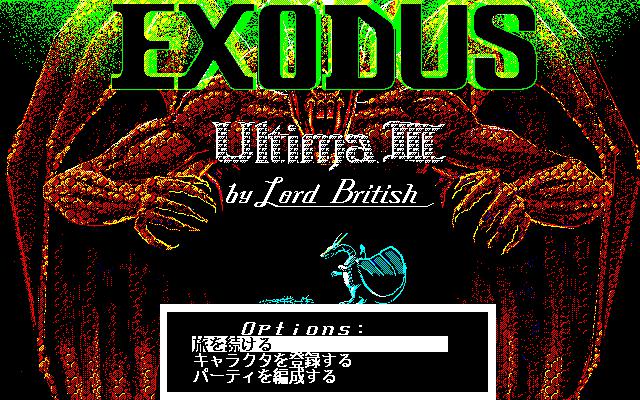
Ultima III: Exodus
1983 video game
Wizardry II: The Knight of Diamonds
1982 video game
Columns
1990 match-three puzzle video game
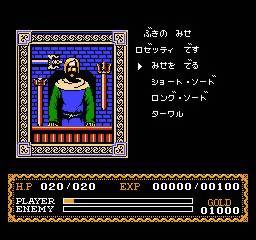
Ys I: Ancient Ys Vanished
1987 video game

Zanac
is a scrolling shooter video game developed by Compile and published in Japan by Pony Canyon and in North America by FCI. It was released for the MSX computer, the Family Computer Disk System, the Nintendo Entertainment System, and for the Virtual Console. It was reworked for the MSX2 computer as Zanac EX and for the PlayStation as Zanac X Zanac. Players fly a lone starfighter, dubbed the AFX-6502 Zanac, through twelve levels; their goal is to destroy the System—a part-organic, part-mechanical entity bent on destroying mankind.
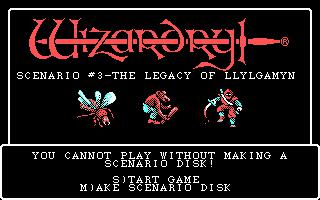
Wizardry III: Legacy of Llylgamyn
1983 video game
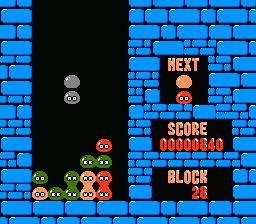
Puyo Puyo
1991 video game
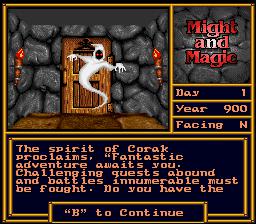
Might and Magic II: Gates to Another World
1988 video game

Ballblazer
Ballblazer is a futuristic sports game created by Lucasfilm Games and published in 1985 by Epyx. Along with Rescue on Fractalus!, it was one of the initial pair of releases from Lucasfilm Games, Ballblazer was developed and first published for the Atari 8-bit computers. The principal creator and programmer was David Levine. The game was called Ballblaster during development; some pirated versions bear this name.

Genghis Khan
1987 video game

Pac-Mania
is a 1987 maze video game developed and published by Namco for Japanese arcades; it was licensed to Atari Games for release in North America. In the game, the player controls Pac-Man as he must eat all of the dots while avoiding the colored ghosts that chase him in the maze. Eating large flashing "Power Pellets" will allow Pac-Man to eat the ghosts for bonus points, which lasts for a short period of time. A new feature to this game allows Pac-Man to jump over the ghosts to evade capture. It is the ninth title in the Pac-Man video game series and was the last one developed for arcades up until
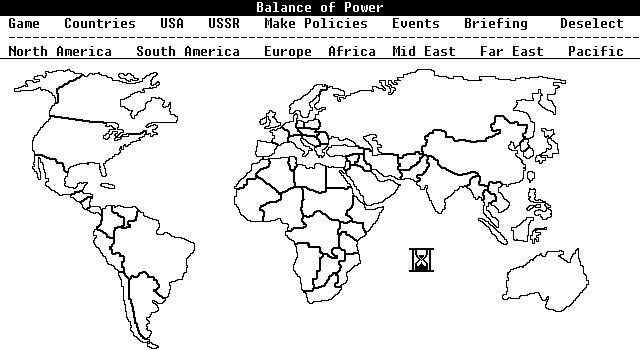
Balance of Power
1985 video game
Romance of the Three Kingdoms II
1990 video game
Block Hole
1990 video game
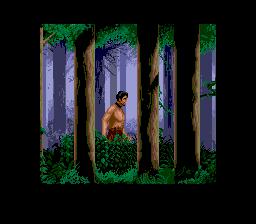
Sorcerian
is a 1987 action role-playing game developed by Nihon Falcom as the fifth installment in the Dragon Slayer line of games. Originally released for the NEC PC-8801, it has since been released on a wide variety of platforms.
Bandit Kings of Ancient China
1989 video game
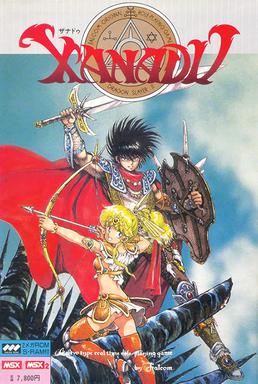
Xanadu
1985 video game
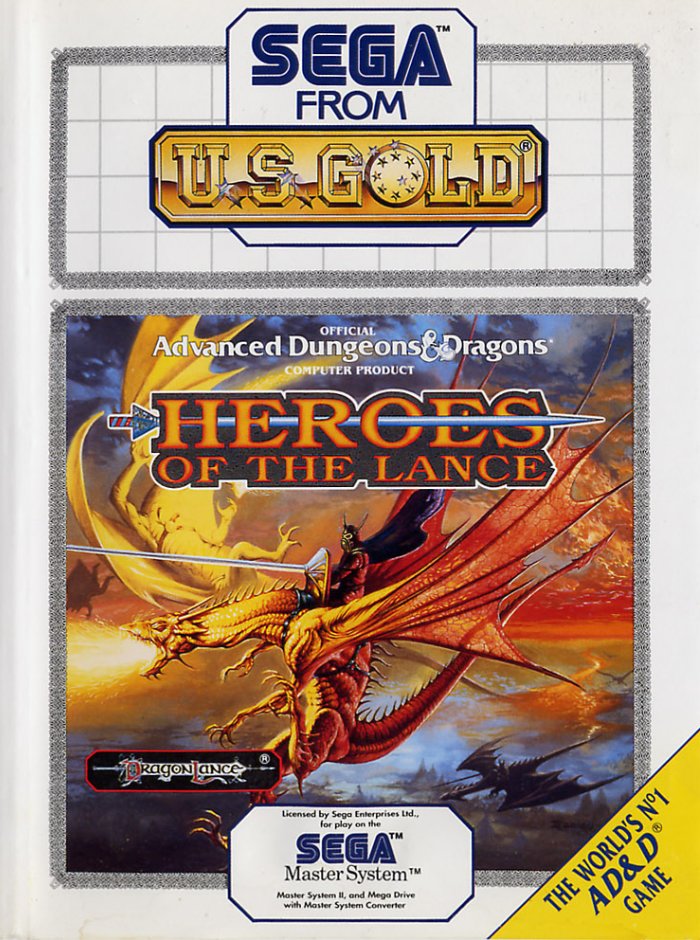
Heroes of the Lance
1988 video game
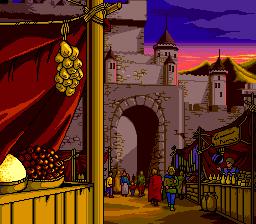
Dragon Slayer: The Legend of Heroes
1989 video game
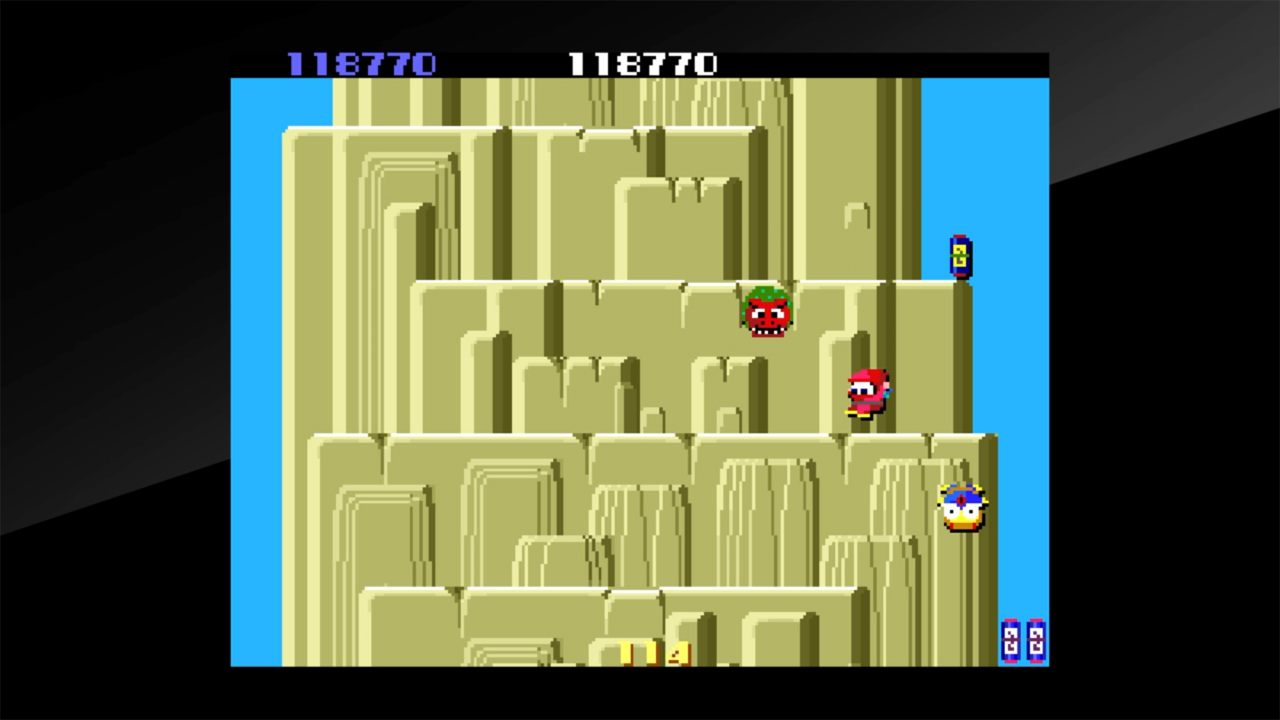
Ninja-Kid
is a 1984 platform video game developed by UPL and published by Taito for arcades. It was later ported to the Famicom and MSX in 1984. Initially released only in Japan, a MSX version developed by Jaleco was released in Europe under the name "Ninja".
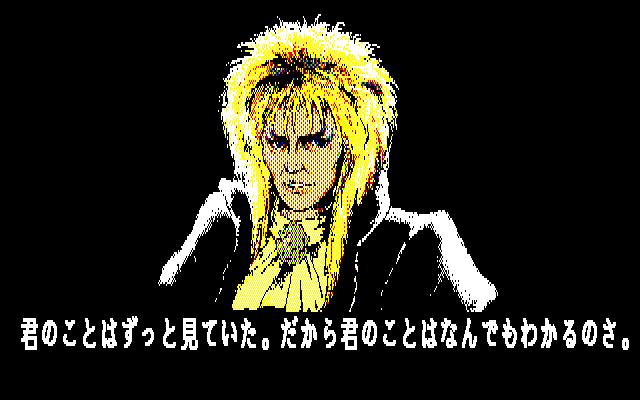
Labyrinth: The Computer Game
1986 video game
A-Train
is a series of business simulation video games developed and published by Japanese game developer Artdink in Japan. The first game in the series was published in 1985. The first release in the United States was Take the A-Train II, published in 1988 by the Seika Corporation under the title Railroad Empire. However, the most well known U.S. release is Take the A-Train III, published in 1992 by Maxis as simply A-Train. There is also the spin-off title C.E.O.

La Abadía del Crimen
1987 video game

Genghis Khan II: Clan of the Gray Wolf
1992 video game
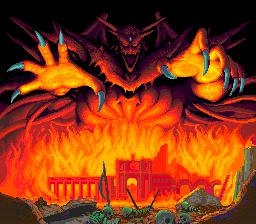
Ys III: Wanderers from Ys
1989 video game
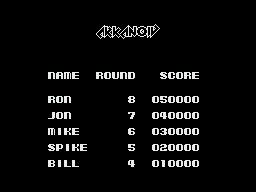
Arkanoid: Revenge of Doh
1987 video game
Ys II: Ancient Ys Vanished – The Final Chapter
1988 video game

Aleste
is a vertically scrolling shooter developed by Compile, originally published by Sega in 1988 for the Master System and then by CP Communications for the MSX2. The Master System version was released outside Japan as Power Strike. The game spawned the Aleste and Power Strike franchises.
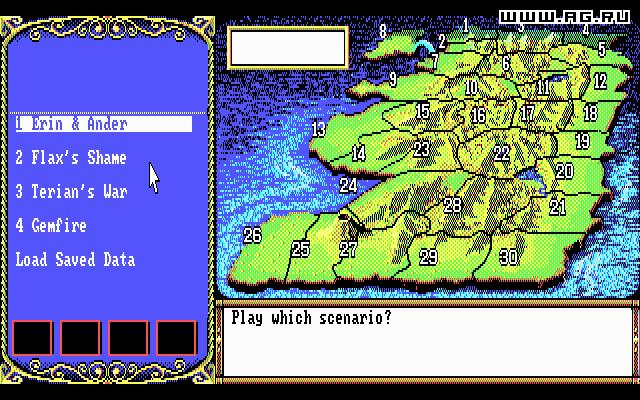
Gemfire
Gemfire is a 1991 role-playing strategy video game developed and published by Koei for the Nintendo Entertainment System and later ported to Japanese home computers, Super NES, Genesis, MS-DOS, and Windows. The object in the game is to unify a fictional island by force. Players use a variety of units, such as archers, infantry and dragons, in order to capture the castle needed to control that particular territory.
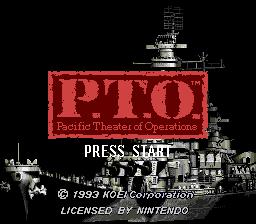
P.T.O.
1989 video game

Space Manbow
1989 video game

Road Blaster
1985 video game
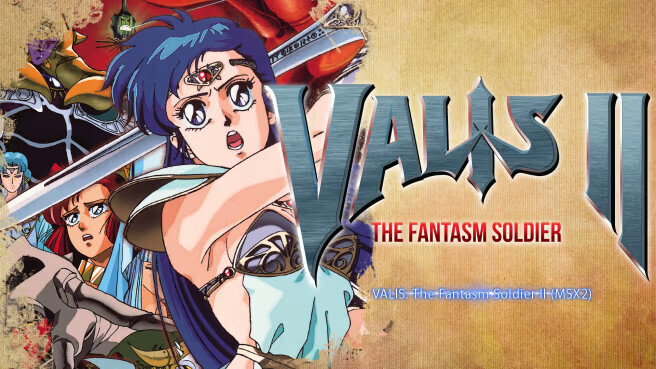
Valis II
1989 video game

Rastan
1987 video game
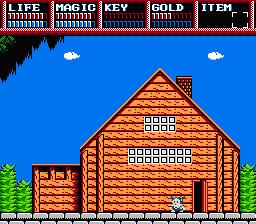
Legacy of the Wizard
1987 video game

Inindo: Way of the Ninja
1991 video game
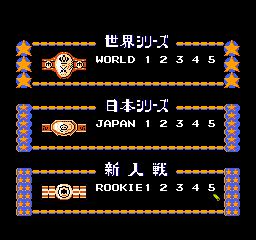
Ring King
1985 boxing video game
Xak: The Art of Visual Stage
1992 video game

Kiki Kaikai
1986 video game