Category
page 1Multilingual texts

Rosetta Stone
ancient Egyptian stele with inscriptions in three writing systems
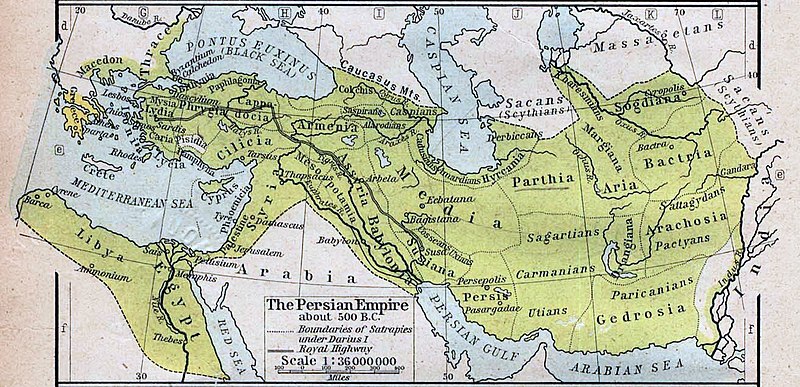
Behistun Inscription
inscription in Bisotun, Iranian national heritage site
Orkhon inscriptions
Göktürk inscriptions dating to the 8th century
Laudato si'
Second Encyclical of Pope Francis
Georgia Guidestones
former monument in Georgia, United States
Schleicher's fable
text composed in a reconstructed version of the Proto-Indo-European language, published by August Schleicher in 1868

The North Wind and the Sun
Fable by Aesop
Pyrgi Tablets
three golden plaques inscribed with a bilingual Phoenician–Etruscan dedicatory text ca. 500 B.C.
Orbis Pictus
written work by John Amos Comenius
Nestorian Stele
Tang Chinese Christian stele (est. 781)
Decree of Canopus
decree
Fratelli tutti
encyclical of Pope Francis published on 3 October 2020 on the subject of human fraternity
Ezana Stone
stele in Aksum, the capital of the ancient Kingdom of Aksum, in present-day Ethiopia
Myazedi inscription
artifact
Zanata Stone
The Zanata Stone, it also known as the Zenana stone, is a small stele with engraving. The tablet is presumably of Guanche origin. it was found in 1992....
Karatepe Bilingual
bilingual inscription on stone slabs
bilingual inscription
inscription that includes the same text in two languages
Bugut inscription
6th C. multilingual text in Mongolia
Çineköy inscription
bilingual inscription from Anatolia in 8th century BC
Cippi of Melqart
collective name for two bilingual Phoenician marble cippi, dated to the 2nd century BCE, that were unearthed in Malta under undocumented circumstances and were seminal in the deciphering of the Phoenician alphabet and language.

Galle Trilingual Stele
stone tablet erected in 1411 in Galle, Sri Lanka
Letoon trilingual
trilingual Lycian stele from the Xanthos-Letoon UNESCO World Heritage Site
linguistic landscape
language on public signs
Tabnit sarcophagus
5th-century BC Phoenician sarcophagus
Xanthian Obelisk
stele bearing a trilingual inscription on the acropolis of the Lycian city of Xanthos
The king and the god
reconstructed story in proto-indo-european
Statue of Pharaoh Osorkon I
Pharaoh Osorkon I, second king of Egypt's 22nd Dynasty (reigned 922–887 BC). The statue bears the cartouche of the king and a Phoenician inscription in the name of Elibaal, king of Byblos, fromerly in the Peytel collection
Kandahar Bilingual Rock Inscription
edict of the Mauryan emperor Ashoka in Afghanistan

Ptolemaic Decrees
ancient Egyptian religious decrees
Stele of Serapeitis
Funerary stele with inscriptions written in Greek and Armazic (150 AD)

Idalion bilingual
archaeological artifact discovered in 1869
Kalyani Inscriptions
book by Dhammazedi
Sino-Tibetan Treaty Inscription
pillar inscription at Jokhang Temple
De Landa alphabet
attempt to interpret Maya script as an alphabetic script
Monumentum Adulitanum
ancient inscription in Ge'ez and Greek from Eritrea
Matenadaran MS 7117
15th-century manuscript
Nubayrah Stele
copy of the Decree of Memphis (Ptolemy V) on a limestone stele
Shwezigon Pagoda Bell Inscription
book by Bayinnaung
Trilingual inscription from Zabad
Christian inscription dated to 512 in Greek, Syriac and Arabic