Category
page 1Murinae

Murinae
The Old World rats and mice, part of the subfamily Murinae in the family Muridae, comprise at least 519 species. Members of this subfamily are called murines. In terms of species richness, this subfamily is larger than all mammal families except the Cricetidae and Muridae, and is larger than all mammal orders except the bats and the remainder of the rodents.

Indian bush rat
species of mammal

African Wading Rat
species of mammal

Blanford's rat
species of mammal

Squirrel-toothed Rat
species of mammal

Fea's tree-rat
species of mammal

False water rat
species of mammal

Millard's Rat
species of mammal

New Guinean jumping mouse
species of mammal

Trefoil-Toothed Giant Rat
species of mammal
Crump's mouse
species of mammal

Highland brush mouse
species of mammal

Mindoro Climbing Rat
species of mammal

Broad-toothed mouse
species of mammal

Gray tree rat
species of mammal
African smoky mouse
species of mammal

Ethiopian striped mouse
species of rodent
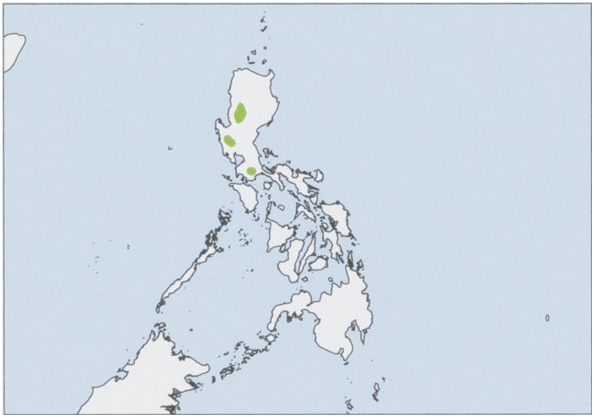
Tryphomys adustus
species of mammal

Palawan Soft-Furred Mountain Rat
species of mammal

Komodo rat
species of mammal

Target rat
species of mammal

Sulawesi Soft-Furred Rat
species of mammal

Earless water rat
species of mammal

Mimic Tree-Rat
species of mammal
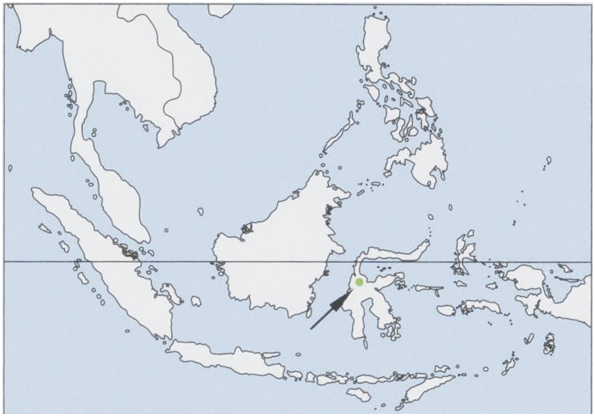
Melasmothrix naso
species of mammal

Kadarsanomys sodyi
species of mammal

Hyorhinomys stuempkei
Hyorhinomys stuempkei, the hog-nosed shrew rat or Sulawesi snouter, is a species of rodent in the family Muridae, more specifically in the subfamily Murinae, endemic to Sulawesi, Indonesia. It is the only species assigned to the genus Hyorhinomys. This species was discovered in 2015 by Jacob A. Esselstyn and his team, Anang S. Achmadi, Heru Handika, and Kevin C. Rowe. Esselstyn proposed "Sulawesi snouter" as a common name for it. The word "snouter" references the spoof biological text The Snouters: Form and Life of the Rhinogrades, authored by the German zoologist Gerolf Steiner as the fiction

Red-bellied Mosaic-tailed Rat
species of mammal

New Guinea Waterside Rat
species of mammal

Verreaux's Mouse
species of mammal

Ohiya Rat
species of mammal

Mount Oku Rat
species of mammal
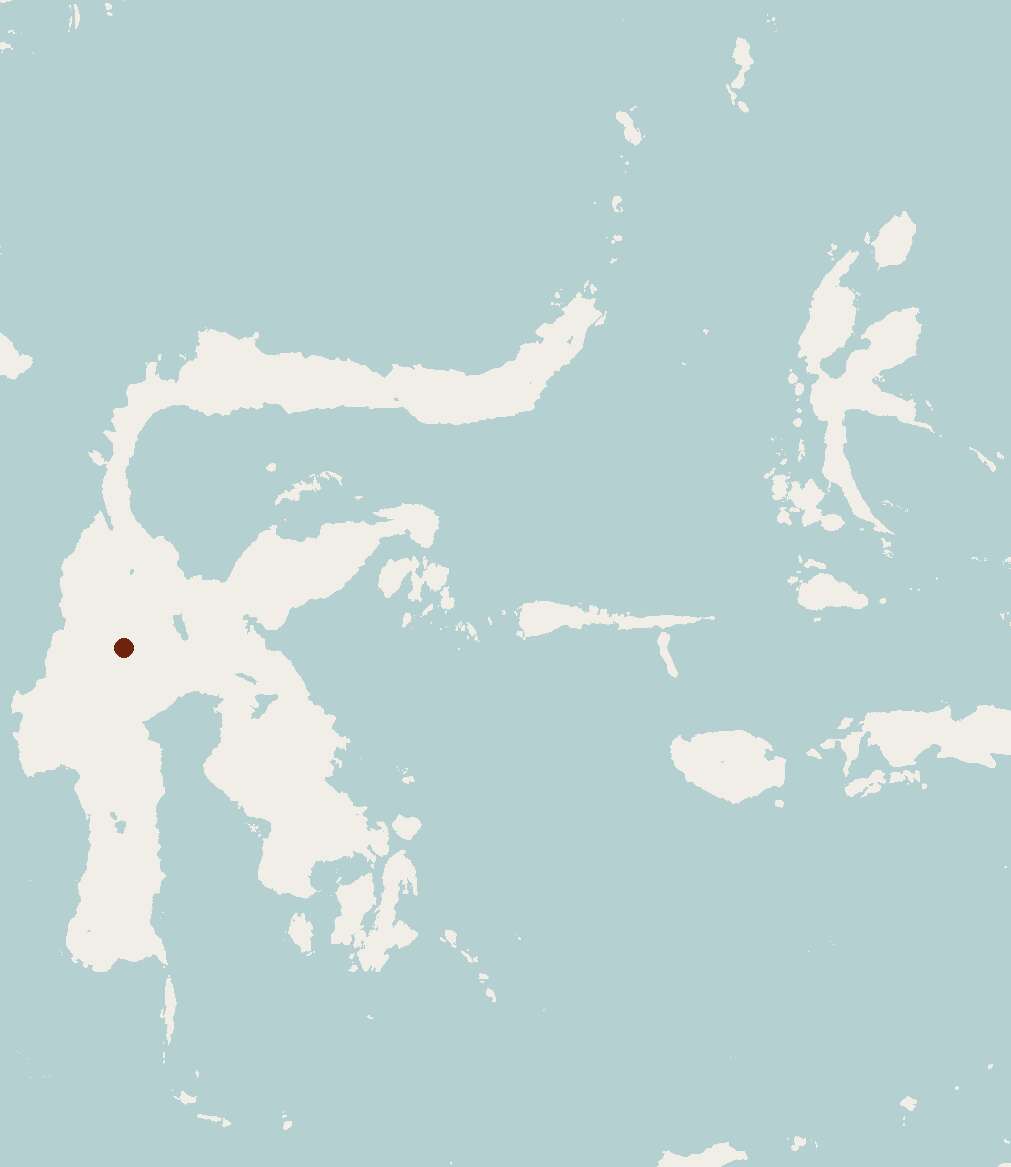
Sommer's Sulawesi Rat
species of mammal
laboratory mouse
animal used in labs

Ethiopian amphibious rat
species of rodent
Coccymys albidens
species of mammal
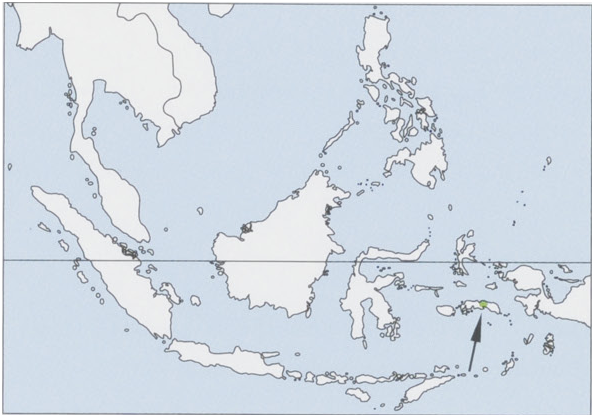
Nesoromys ceramicus
species of mammal

Delectable soft-furred mouse
species of mammal

Edented Sulawesi Rat
species of mammal

Lava Mouse
species of mammal

Tonkinomys daovantieni
species of mammal
Pithecheirops otion
species of mammal
Hydromyini
Hydromyini is a very large, diverse tribe of muroid rodents in the subfamily Murinae. They are the dominant native rodents in Australasia and one of only two native rodent groups there, the other being the R. fuscipes group of the genus Rattus in the tribe Rattini. They are also found in parts of Southeast Asia.
Rhagamys
Rhagamys is an extinct genus of rodents in the subfamily Murinae, the Old World mice and rats. The genus was established by the Swiss zoologist Charles Immanuel Forsyth Major to accommodate Rhagamys orthodon, which is the only species in the genus. It was endemic to the Mediterranean islands of Corsica and Sardinia, descending from Rhagapodemus, which had colonised the islands around 3.6 million years ago. Its closest living relatives are of the genus Apodemus, which includes the field and wood mice.
Rattini
Rattini is a very large, diverse tribe of muroid rodents in the subfamily Murinae. They are found throughout Asia and Australasia, with a few species ranging into Europe and northern Africa. The most well-known members of this group are the true rats (genus Rattus), several species of which have been introduced worldwide.
Spelaeomys
Spelaeomys florensis, also known as the Flores cave rat, is an extinct species of rat that was formerly endemic to the island of Flores, Indonesia. and Flemming assessed this species to be extinct in 1996, but believed it probably died out before 1500. This specimen is only known from subfossil remains, including at Liang Bua cave. It is the only member of the genus Spelaeomys. It was large sized species with a body mass of around . It is suggested to have been arboreal animal that lived in closed forests, and to have been herbivorous, consuming leaves and flowers.
Apodemini
Apodemini is a tribe of muroid rodents in the subfamily Murinae. It contains two extant genera, one found throughout Eurasia and the other endemic to the Ryukyu Islands. Several fossil genera are also known from throughout Eurasia, including one large species (Rhagamys) that persisted on Sardinia and Corsica up until at least the first millennium BC, when it was likely wiped out by human activity.
Saxatilomys
Saxatilomys paulinae, ''Paulina's limestone rat, is a species of murid rodent native to central Laos and Vietnam, separated to a monotypic genus Saxatilomys. It was first discovered in the Khammouan Limestone National Biodiversity Conservation Area in Khammouan Province, Laos, and also been found in the Vietnamese province of Quang Bình. It is the only known species in the genus Saxatilomys. The genus name is derived from the Latin saxatilis, meaning "among the rocks" and the Greek mys'', meaning mouse or rat.
Praomyini
Praomyini is a tribe of muroid rodents in the subfamily Murinae. Species in this tribe are found mostly throughout Sub-Saharan Africa, but one species (Mastomys erythroleucus) is found in North Africa, and another (Ochromyscus yemeni) is found in the Arabian Peninsula.
Millardini
Millardini is a tribe of muroid rodents in the subfamily Murinae. Species in this tribe are found in South and Southeast Asia.
Arvicanthini
Arvicanthini is a tribe of muroid rodents in the subfamily Murinae. Almost all recent species in this tribe are or were found in Africa aside from one species, the Indian bush rat (Golunda ellioti), which is found in South Asia and Iran. However, some fossil Golunda species from India and the genus Parapelomys (known to have inhabited Arabia and Pakistan) are thought to have also occurred outside Africa, and one species in the fossil genus Saidomys may have also occurred in Afghanistan.
Serengetimys pernanus
species of mammal
Chingawaemys
genus of mammals
Paulamys
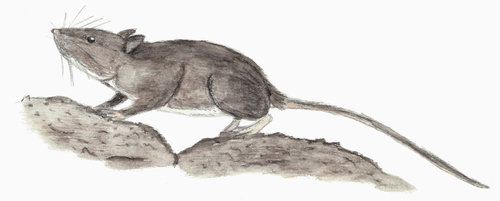
Paulamys is a genus of rat. Its only known member is Paulamys naso, a species endemic to Flores Island, Indonesia. Paulamys naso was first described from subfossil fragments collected in the 1950s by Theodor Verhoeven and was named Floresomys naso by Guy Musser in 1981. Since Floresomys was preoccupied, Musser changed the name to Paulamys, after Verhoeven's life partner Paula Hamerlinck. A living specimen was reported from the montane forest of western Flores in 1989. It is recorded as common between above sea level on the volcanic mountain Gunung Ranakah, but is believed to be threatened by h
Malpaisomys
REDIRECT Lava mouse
rats in New York City
rodent infestation
Waiomys
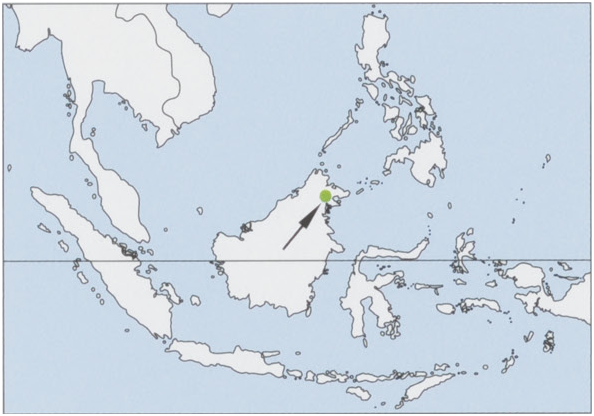
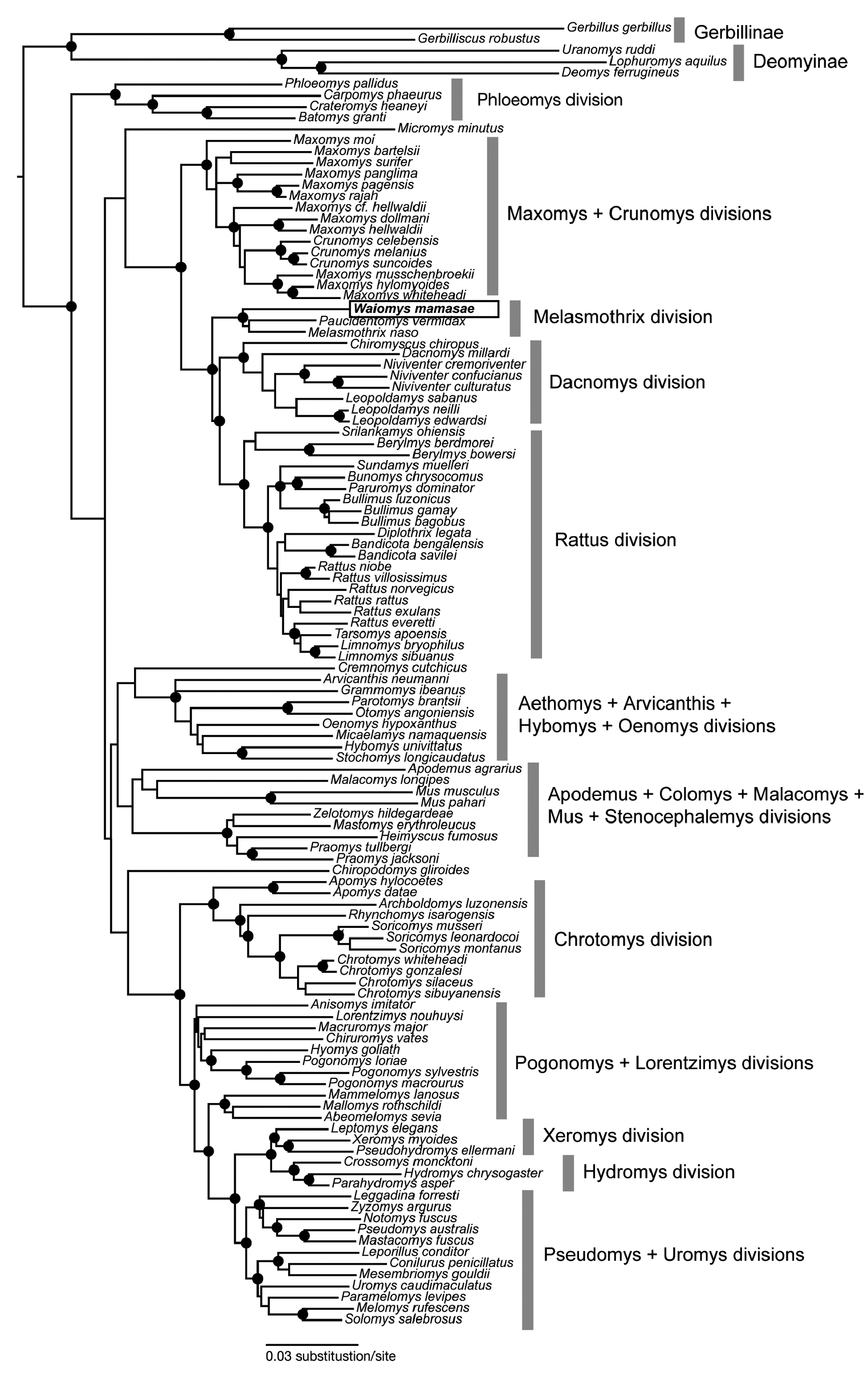
Waiomys is a genus of rodents from the family Muridae. It is endemic to Sulawesi, Indonesia. The genus is monotypic, consisting of the species Waiomys mamasae (Sulawesi water rat). It is known only from Mount Gandangdewata, Mamasa Regency, West Sulawesi.
Otomyini
Otomyini is an Old World tribe of muroid rodents in the subfamily Murinae. Musser and Carleton (2005) granted it subfamily status (Otomyinae), but molecular studies consistently show that the otomyines evolved from within the Murinae, leading these researchers to subsume it in this subfamily, sometimes with tribal status (Jansa and Weksler, 2004; Michaux et al., 2001; Steppan et al., 2004). It includes 3 genera.