Category
page 1Mythological Cycle
The Morrígan
deity

Fomorians
thumb|307x307px|The Fomorians, as depicted by John Duncan (painter)|John Duncan (1912)

Macha
thumb|"Macha Curses the Men of Ulster", Stephen Reid (artist)|Stephen Reid's illustration from [[Eleanor Hull's ''The Boys' Cuchulainn (1904)]]
Macha () was a sovereignty goddess of ancient Ireland associated with the province of Ulster, particularly the sites of Navan Fort (Eamhain Mhacha) and Armagh (Ard Mhacha''), which are named after her. Several figures called Macha appear in Irish mythology and folklore, all believed to derive from the same goddess. She is said to be one of three sisters known as 'the three Morrígna'. Like other sovereignty goddesses, Macha is associated with the land,
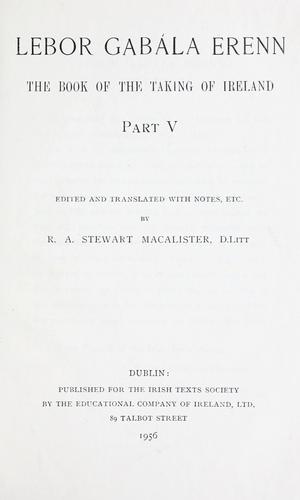
Lebor Gabála Érenn
11th century Irish chronicle
Fir Bolg
Mythical settlers of Ireland
Milesians
Mythical race that came to settle in Ireland
Cath Maige Tuired
either of two texts in the Mythological Cycle of Irish mythology
Partholón
Partholón () is a character in medieval Irish Christian pseudohistory, said to have led one of the first groups to settle in Ireland. His name comes from the Biblical name Bartholomaeus (Bartholomew), and may be borrowed from a character in the Christian pseudohistories of Saints Jerome and Isidore of Seville.
Amergin Glúingel
poet and druid of the Irish Mythological Cycle

Cian
In Irish mythology, Cian or Cían (), nicknamed Scal Balb, was the son of Dian Cecht, the physician of the Tuatha Dé Danann, and best known as the father of Lugh Lamhfada. Cían's brothers were Cu, Cethen, and Miach.
%20(14760452906).jpg)
Nemed
thumb|"Tuan watches Nemed", an illustration of Tuan mac Cairill|Tuán watching the Nemedians arriving in Ireland, by Stephen Reid in T. W. Rolleston's Myths & Legends of the Celtic Race, 1911
Nemed or Nimeth () is a character in medieval Irish legend. According to the Lebor Gabála Érenn (compiled in the 11th century), he was the leader of the third group of people to settle in Ireland: the Muintir Nemid (or Muintir Neimhidh, "people of Nemed"), Clann Nemid (Clann Neimhidh, "offspring of Nemed") or "Nemedians". They arrived thirty years after the Muintir Partholóin, their predecessors, had died
Ethniu
right|thumb|200px|''
Cian Finds Balor's Daughter'', drawing by H. R. Millar, c. 1905.
Mythological Cycle
conventional division within Irish mythology
Cessair
Cessair or Cesair (, meaning 'sorrow, affliction') is a character from a medieval Irish origin myth, best known from the 11th-century chronicle text Lebor Gabála Érenn. According to the Lebor Gabála, she was the leader of the first inhabitants of Ireland, arriving before the Biblical flood. The tale may have been an attempt to Christianise an earlier pagan myth.
Children of Lir
legend from Irish mythology
Míl Espáine
mythical ancestor of the final inhabitants of Ireland
Eber Finn
1700 BC (AFM), 1287-1286 BC
Étaín
Étaín or Édaín (Modern Irish spelling: Éadaoin) is a figure of Irish mythology, best known as the heroine of Tochmarc Étaíne (The Wooing of Étaín), one of the oldest and richest stories of the Mythological Cycle. She also figures in the Middle Irish Togail Bruidne Dá Derga (''The Destruction of Da Derga's Hostel''). T. F. O'Rahilly identified her as a sun goddess.
Airmed
In Irish mythology, the goddess Airmed (also given as Airmid) was one of the Tuatha Dé Danann. With her father Dian Cecht and brother Miach, she healed those injured in the Second Battle of Magh Tuiredh.
Dindsenchas
Dindsenchas or Dindshenchas (modern spellings: Dinnseanchas or Dinnsheanchas or Dınnṡeanċas), meaning "lore of places" (the modern Irish word dinnseanchas means "topography"), is a class of onomastic text in early Irish literature, recounting the origins of place-names and traditions concerning events and characters associated with the places in question. Since many of the legends being related also concern the acts of mythic and legendary figures, the dindsenchas has been an important source for the study of Irish mythology.
Fragarach
In Irish mythology, Fragarach (or ), known as "The Answerer" or "The Retaliator", was the sword of the sea god Manannán mac Lir. The sword weakened its foes, and no mail or armour could block it.
Tochmarc Étaíne
Irish mythological text
Tailtiu
Tailtiu or Tailltiu (; modern spelling: Tailte) is the name of a presumed goddess from Irish mythology. The goddess's name is linked to Teltown (< OI Óenach Tailten) in Co. Meath, site of the Óenach Tailten. A legendary dindsenchas "lore of places" poem relates a myth connecting the presumed goddess Tailtiu with the site. However, linguistic analysis of the name reveals that Tailtiu as a place-name derives from a loan word of Brythonic origin represented by the Welsh telediw "well formed, beautiful." The mythological character of Tailtiu likely derives her name from the place-name.
Claíomh Solais
"The Sword of Light", in Irish Mythology
Brian Merriman
Irish poet
Tuan mac Cairill
figure in Irish mythology
Enbarr
The Enbarr (Énbarr) or Aonbharr of Manannán () is a horse in the Irish Mythological Cycle which could traverse both land and sea, swifter than wind-speed.
Four Treasures of the Tuatha Dé Danann
four magical items supposedly brought by the Tuatha Dé Danann to Ireland
Battle of Mag Itha
Goídel Glas
medieval Irish and Scottish legendary figure
Fintan mac Bóchra
mythological Irish seer
Fionnuala
In Irish mythology, Finnguala (modern spellings: Fionnghuala, Fionnuala , or Finola; literally meaning "white shoulder") was the daughter of Lir of the Tuatha Dé Danann. In the legend of the Children of Lir, she was changed into a swan and cursed by her stepmother, Aoife, to wander the lakes and rivers of Ireland, with her brothers Fiachra, Conn and Aodh, for 900 years until saved by the marriage of Lairgren, son of Colman, son of Cobthach, and Deoch, daughter of Finghin, whose union broke the curse. 'The Song of Fionnuala', with lyrics by Thomas Moore speaks of her wanderings.
Caer Ibormeith
Irish mythological figure
Ailill Angubae
fictional human
Biróg
Biróg (Biroge of the Mountain, Birog), in Irish folklore is the leanan sídhe or the female familiar spirit of Cian who aids him in the folktale about his wooing of Balor's daughter Eithne.

Foras Feasa ar Éirinn
written work