Category
page 1Mythological mammals
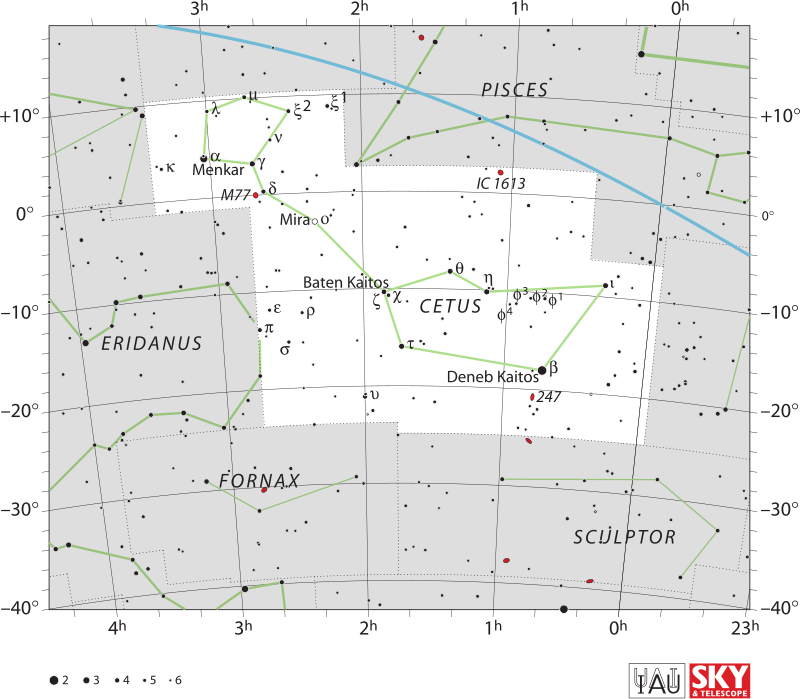
Cetus
constellation straddling the celestial equator
Baku
Japanese supernatural beings
_(14594639700).jpg)
Camazotz
In the Late Post-Classic Maya mythology of the Popol Vuh, Camazotz ( from Mayan ) (alternate spellings Cama-Zotz, Sotz, Zotz) is a bat spirit at the service of the lords of the underworld. Camazotz means "death bat" in the Kʼicheʼ language. In Mesoamerica generally, the bat is often associated with night, death, and sacrifice.

Galanthis
thumb|right|250px|Birth of Heracles by [[Jean Jacques Francois Le Barbier.]]

Kamaitachi
thumb|"Kamaitachi" () from the "Gazu Hyakki Yagyō by [[Toriyama Sekien]]
thumb|"Kamaitachi" () from the Kyōka Hyaku Monogatari by [[Masasumi Ryūkansaijin]]
Bake-kujira
The is a mythical Japanese (ghost, phantom, or strange apparition) from western Japan. It is described as being a skeleton whale that is accompanied by unknown fish and weird birds. It takes its revenge against people who hunt whales or eat whale meat, and does so by cursing them with plagues and fire. It is also known as .
bauk
Serbian mythological creature
Ao Ao
South American mythological creature
taniwha
thumb|right|Ureia, guardian taniwha of the Hauraki Gulf|Hauraki people. Carving from the meeting house Hotunui, 1878
In Māori mythology, taniwha () are large supernatural beings that live in deep pools in rivers, dark caves, or in the sea, especially in places with dangerous currents or deceptive breakers (giant waves).
They may be considered highly respected kaitiaki (protective guardians) of people and places, or in some traditions as dangerous, predatory beings, which for example would kidnap women to have as wives.
Werejaguar
thumb|A stone Olmec werejaguar, showing common werejaguar characteristics including a downturned mouth, almond-shaped eyes, pleated ears, a headdress with headband, and a crossed-bars icon on the chest
The werejaguar was both an Olmec motif and a supernatural entity, perhaps a deity.