Category
page 1Myxococcota

Myxococcales
The myxobacteria ("slime bacteria") are a group of bacteria that predominantly live in the soil and feed on insoluble organic substances. The myxobacteria have very large genomes relative to other bacteria, e.g. 9–10 million nucleotides except for Anaeromyxobacter and Vulgatibacter. One species of myxobacteria, Minicystis rosea, has the largest known bacterial genome with over 16 million nucleotides. The second largest is another myxobacteria Sorangium cellulosum.
Deltaproteobacteria
The Myxococcota are a phylum of bacteria known as the fruiting gliding bacteria. All species of this group are Gram-negative. They are predominantly aerobic genera that release myxospores in unfavorable environments.
Myxococcus llanfairpwllgwyngyllgogerychwyrndrobwllllantysiliogogogochensis
species of bacteria
Myxococcus
Myxococcus is a genus of bacteria in the family Myxococcaceae. Myxococci are Gram-negative, spore-forming, chemoorganotrophic, obligate aerobes. They are elongated rods with rounded or tapered ends, and they are nonflagellated. The cells utilize gliding motility to move and can predate other bacteria. The genus has been isolated from soil.
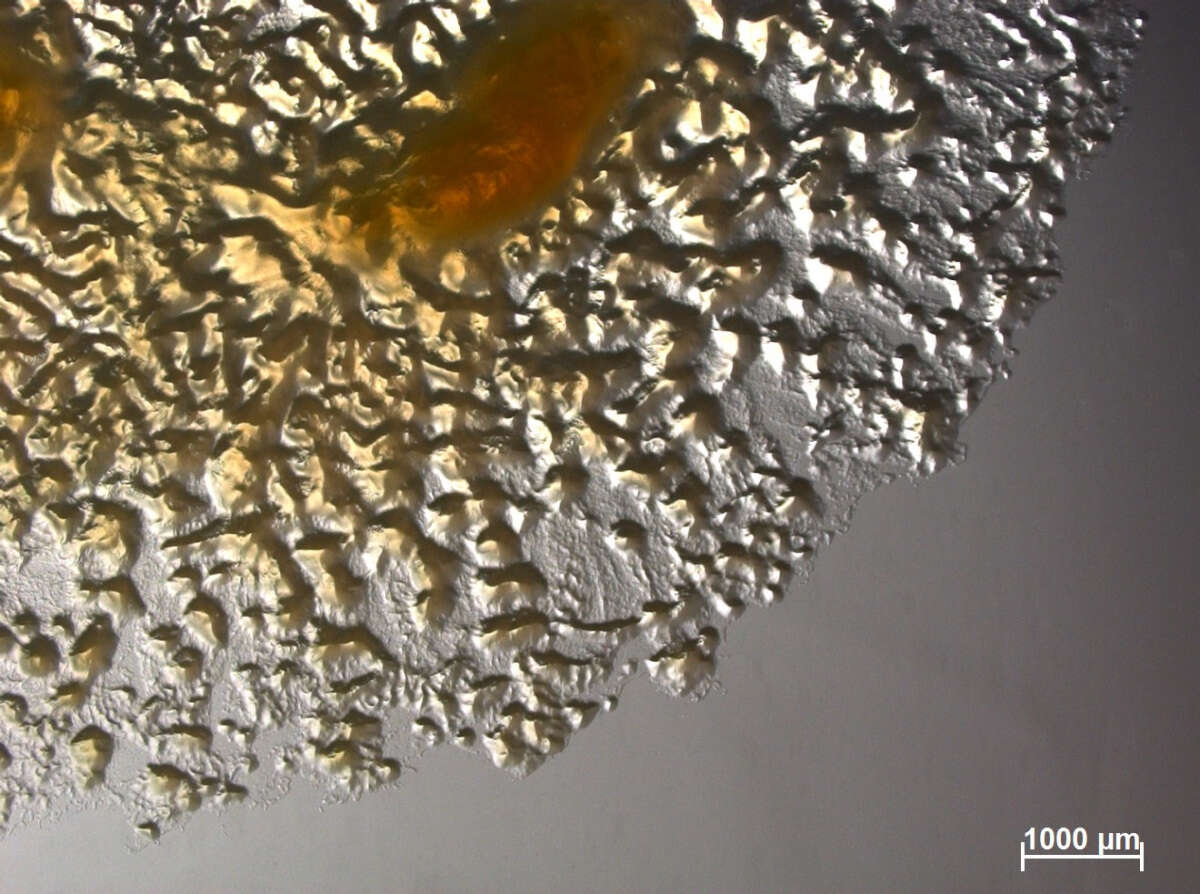
Myxococcus xanthus
slime bacterium
Sorangium cellulosum
species of Deltaproteobacteria
Myxococcaceae
Myxococcaceae is a family of gram-negative, rod-shaped bacteria. The family Myxococcaceae is encompassed within the myxobacteria ("slime bacteria"). The family is ubiquitously found in soils, marine, and freshwater environments. Production of compounds with medical uses by Myxococcaceae makes them useful in human health fields.