Category
page 1Nabonidus

Cyrus cylinder
ancient cylinder covered with Akkadian cuneiform script
.jpg)
Nabonidus
Nabonidus (, meaning "May Nabu be exalted" or "Nabu is praised") was the last king of the Neo-Babylonian Empire, ruling from 556 BC to the fall of Babylon to the Achaemenian Empire under Cyrus the Great in 539 BC. Nabonidus was the last native ruler of ancient Mesopotamia, the end of his reign marking the end of thousands of years of Sumero-Akkadian states, kingdoms and empires. He was also the last independent king of Babylon. Regarded as one of the most vibrant and individualistic rulers of his time, Nabonidus is characterised by some scholars as an unorthodox religious reformer and as the f
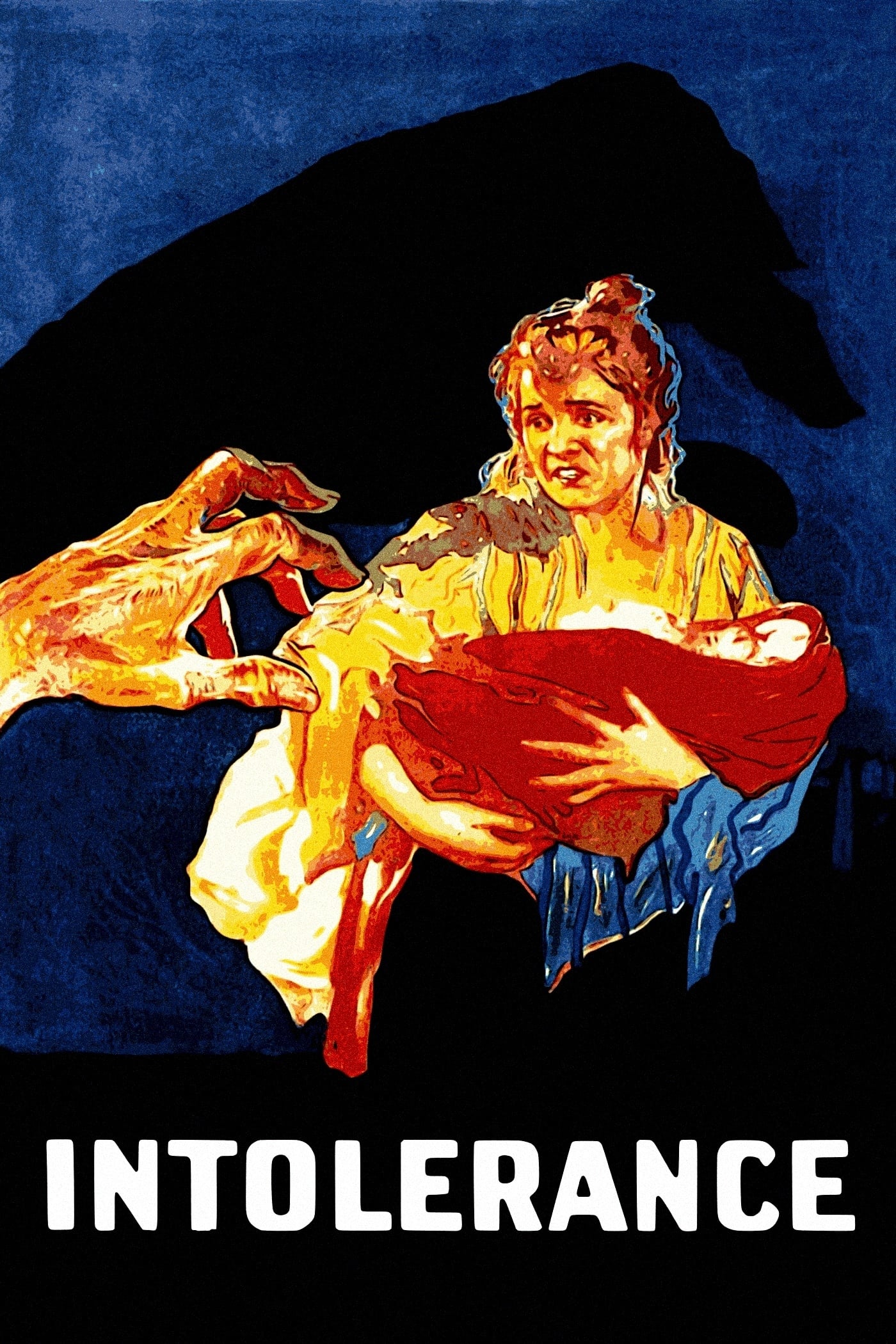
Intolerance
1916 epic silent film directed by D. W. Griffith
Cylinder of Nabonidus
clay cylinders with cuneiform inscriptions of king Nabonidus
Nabonidus Chronicle
ancient Babylonian text, part of a larger series of Babylonian
Nitocris of Babylon
Queen of Babylon
Battle of Opis
final battle of the Persian conquest of Babylonia

Bel-Shalti-Nanna
Ennigaldi-Nanna (Babylonian cuneiform: 120x120px En-nígaldi-Nanna), also known as Bel-Shalti-Nanna and commonly called just Ennigaldi, was a princess of the Neo-Babylonian Empire and high priestess (entu) of Ur. As the first entu in six centuries, serving as the "human wife" of the moon-god Sin, Ennigaldi held large religious and political power. She is most famous today for founding a museum in Ur 530 BC. Ennigaldi's museum showcased, cataloged, and labelled artifacts from the preceding 1,500 years of Mesopotamian history and is often considered to have been the first museum in world history.
Adad-guppi
Adad-guppi (; c. 648-544 BC), also known as Addagoppe, was a devotee of the moon god Sîn in the northern Assyrian city of Harran, and the mother of King Nabonidus (ruled 556–539 BC) of the Neo-Babylonian Empire.
Kuara
archaeological site in Iraq