Category
page 1Narrative poems

epic poem
lengthy narrative poem, ordinarily detailing heroic deeds

Metamorphoses
thumb|Title page of 1556 edition published by Joannes Gryphius (decorative border added subsequently). Hayden White Rare Book Collection, University of California, Santa Cruz.
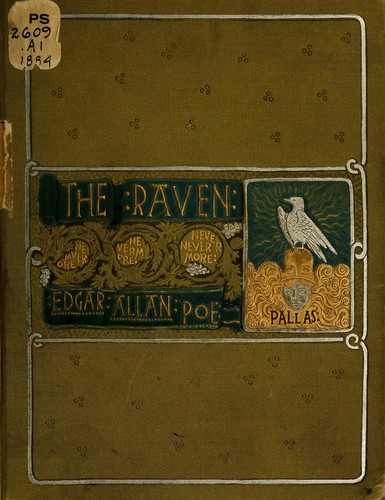
The Raven
narrative poem by Edgar Allan Poe

The Canterbury Tales
collection of stories written in Middle English by Geoffrey Chaucer
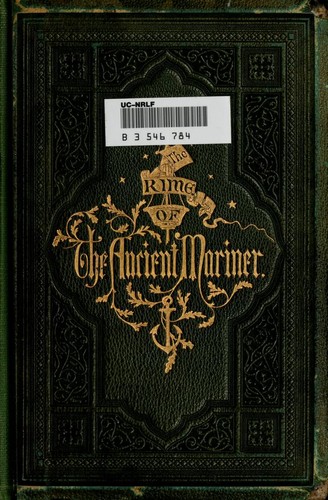
The Rime of the Ancient Mariner
1798 poem by Samuel Taylor Coleridge

Struwwelpeter
Der Struwwelpeter ("Shock-Headed Peter") is an 1845 German children's book written and illustrated by the German psychiatrist Heinrich Hoffmann. It comprises ten illustrated and rhymed stories, mostly about children. Each cautionary tale has a clear moral lesson that demonstrates the disastrous consequences of misbehavior in an exaggerated way. The title of the first story provides the title of the whole book.

Venus and Adonis
poem by William Shakespeare
long poem
poetry genre, poetic form

The Rape of Lucrece
poem by William Shakespeare
Childe Harold's Pilgrimage
poem by Lord Byron
narrative poetry
type of poetry which tells a story
verse novel
literary genre
The Rape of the Lock
poem by Alexander Pope
The Prisoner of the Caucasus
poem by Alexander Pushkin

The Charge of the Light Brigade
poem by Alfred, Lord Tennyson (1854)

epyllion
thumb|A sleeping Ariadne's abandonment by [[Theseus is the topic of an elaborate ecphrasis in Catullus 64, the most famous extant epyllion. (Roman copy of a 2nd-century BCE Greek original; Villa Corsini.)]]
In classical studies the term epyllion (Ancient Greek: , plural: , ) refers to a comparatively short narrative poem (or discrete episode within a longer work) that shows formal affinities with epic, but betrays a preoccupation with themes and poetic techniques that are not generally or, at least, primarily characteristic of epic proper.
Idylls of the King
poetry cycle by Alfred, Lord Tennyson

Piers Plowman
Middle English allegorical narrative poem by William Langland

The Light of Asia
book
The Knight's Tale
part of the Canterbury Tales

Mazeppa
narrative poem by Lord Byron
Luceafărul
poem

The Walrus and the Carpenter
poem by Lewis Carroll
Ayyām al-ʿArab
literary genre about pre-Islamic Arabian war
General Prologue
the first part of "The Canterbury Tales"

End Poem
Minecraft ending poem written by Julian Gough
Childe Roland to the Dark Tower Came
poem by Robert Browning
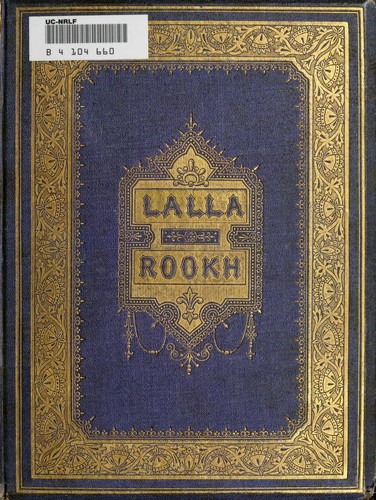
Lalla Rookh
1817 poem by Thomas Moore

Tam o' Shanter
1790 poem by Robert Burns
Goblin Market
Narrative poem by Christina Rossetti
Tam Lin
Scottish border ballad

The Dunciad
poem by Alexander Pope
The Bard. A Pindaric Ode
ode by Thomas Gray, composed 1754-1757, published 1757

The Book of the Duchess
book by Geoffrey Chaucer

Enoch Arden
1864 poem written by Alfred, Lord Tennyson
Bijan and Manijeh
Love story in Shahnameh epic poem
Tazit
thumb|An illustration for the poem sketched by PushkinTazit () is an unfinished Russian narrative poem by Alexander Pushkin, composed in late 1829 and early 1830 and first published in 1837, after Pushkin's death. One of several works by Pushkin set in the Caucasus, its eponymous hero is a young Circassian man who is renounced by his father for refusing to avenge his brother. The poem ends with the exiled Tazit asking his beloved's father for his daughter's hand in marriage. Some more verses for the poem found in Pushkin's manuscript draft describe Tazit's rejection by his beloved's father and

Lara, A Tale
narrative poem by Lord Byron

Hudibras
alt=An engraving depicting Hudibras overcoming a fiddle player and placing him in the stocks. Above the stocks, the fiddle and its case are displayed.|thumb|One of twelve engravings illustrating the adventures of Hudibras by William Hogarth.
Hudibras () is a vigorous satirical poem, written in a mock-heroic style by Samuel Butler (1613–1680), and published in three parts in 1663, 1664 and 1678. The action is set in the last years of the Interregnum, around 1658–60, immediately before the restoration of Charles II as king in May 1660.

Sohrab and Rustum
1853 narrative poem by Matthew Arnold

The Princess
narrative poem by Alfred, Lord Tennyson

Der Busant
Middle High German epic poem, presumably from the early 14. century